
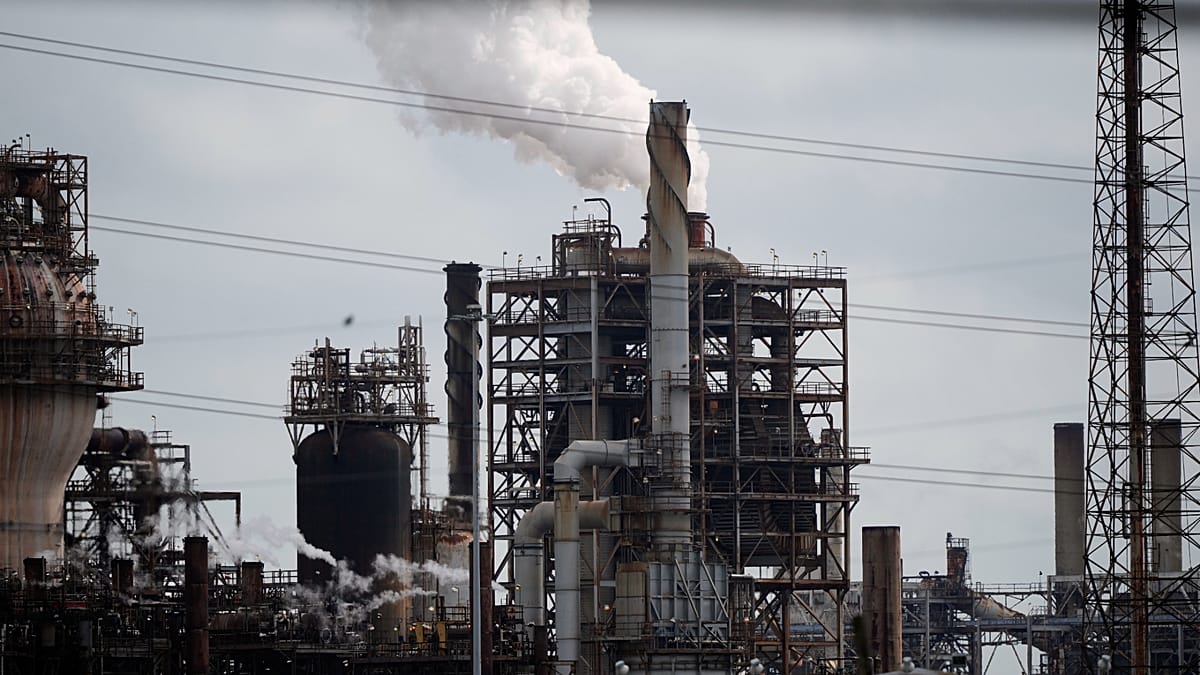
Brent crude oil prices for October delivery plunged by 5.16%, settling at $83.39 a barrel, while US crude, known as WTI, futures for September delivery took a nearly 6% hit, dropping to $79.66 per barrel. The decline in crude prices came hot on the heels of US President Donald Trump’s announcement regarding fresh talks with Iran, which eased worries about potential disruptions in oil supply. This news set the stage for a bit of relief in the markets, as traders began to feel a little more optimistic.
Adding to this downward trend, Saudi Arabia, Russia, and five other key players within OPEC+ convened online for a meeting on Sunday. They decided to ramp up oil production by 188,000 barrels a day starting in September, despite ongoing disruptions caused by conflicts in the Middle East. The decision was widely anticipated by analysts, who had been keeping a close eye on the situation—Jorge Leon, an analyst at Rystad Energy, pointed out that while this increase is on the table, the Gulf countries face significant challenges in boosting exports due to Iran’s maneuvers in the Strait of Hormuz during the ongoing regional turmoil.
You know, it’s a bit of a juggling act! Many OPEC+ members are struggling to hit their official production targets due to a decline in capacity. Leon mentioned that OPEC+ has completed its restoration campaign, which means they have little motivation to rush into further supply changes. He speculated that a pause might be on the horizon as the group gears up for the 2027 quota negotiations. Will they really be able to ramp up their oil volumes? That’s still unclear.
Some countries, like Iraq, are eager to significantly boost their production, but there’s more to the story. Russia is grappling with ongoing drone attacks from Ukraine that have hampered its oil infrastructure, leaving production hovering around nine million barrels per day—well below its target of 9.8 million. Analysts at DNB Carnegie expect this to remain the case even with the upcoming September increase.
Between late 2022 and 2023, OPEC+ was quite jittery about falling oil prices and decided to cut production in three separate rounds, ultimately reducing output by nearly six million barrels per day. But here’s the kicker—Saudi Arabia, Russia, Iraq, Kuwait, Kazakhstan, Algeria, Oman, and the UAE might look united for now, but Leon warns that the UAE’s exit from the group in May has exposed some cracks in their cohesion.
So, where does that leave us? With oil prices dropping and geopolitical tensions on a knife’s edge, it seems we’re in for a rocky ride ahead. What’s next for the oil markets? We’ll be watching this space closely…
Kaynak: Orijinal Haber
Trump’ın İran ile yapacağı görüşmeler petrol fiyatlarını etkilemeye devam ediyor. Umarım istikrar sağlanır.