Oil and Gas Prices Soar Amid Escalating Middle East Tensions

The price of oil has skyrocketed to $105 a barrel as worries mount that the conflict in the Middle East won’t be resolved anytime soon. With tensions

The price of oil has skyrocketed to $105 a barrel as worries mount that the conflict in the Middle East won’t be resolved anytime soon. With tensions flaring between the US and Iran in the Gulf, both crude oil and gas prices have seen a sharp increase. Just this Wednesday, Brent crude surged back above $100 a barrel, and it doesn’t seem to be slowing down. The ongoing war has effectively shut down the Strait of Hormuz, which is a crucial route for oil and gas supplies from the Gulf to global markets.

Meanwhile, the long-term borrowing costs in the US and UK have hit their highest levels in decades. President Trump, speaking at a Republican Party convention in Texas, expressed doubts about the fighting ending before the US mid-term elections in November. Analysts are sounding alarms; they say that the combination of skyrocketing energy costs and rising borrowing costs is piling pressure on financial markets. Chris Beauchamp, chief market analyst at trading platform IG, noted that investors are increasingly worried about the economic fallout from these high oil prices. He cautioned that if energy prices keep climbing, it could weigh heavily on the global economy.

Adding to the anxiety, reports have surfaced that Iran-aligned Houthi forces have seized Yemen’s price cap. If these prices remain elevated for a prolonged period, households will likely face steeper bills. The cap is already set to increase by 3.6% at the beginning of October, with another adjustment scheduled for January. Rising energy costs have also stirred fears of a spike in inflation, leading to increased yields on government bonds worldwide. In the UK, yields on 10-year bonds reached their highest since 2007 today, while those on 20- and 30-year bonds haven’t been seen at such levels since 1998.

This uptick in yields indicates a higher borrowing cost for the government, particularly at a time when public offices are under considerable strain. But this situation could also hit households directly, affecting rates on consumer financial products like fixed-rate mortgages.

Everyone’s wondering what’s next, right? The ripple effects of these rising prices are felt everywhere, from the pumps to the grocery store. Will we see more protests as citizens struggle to make ends meet? Only time will tell.

Kaynak: Orijinal Haber
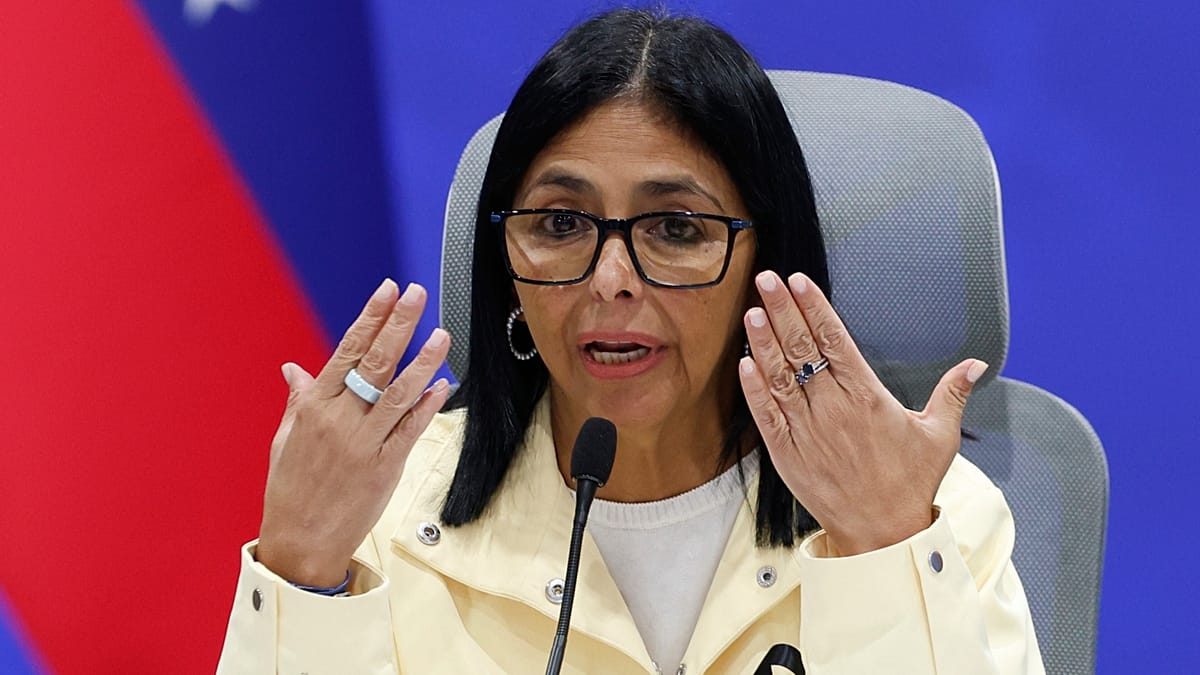
Venezuela’s Historic Oil Deal: US Gains Control Over 20% of Production

Venezuela is set to hand over control of a staggering fifth of its oil production to the United States in a groundbreaking agreement that has signifi

Venezuela is set to hand over control of a staggering fifth of its oil production to the United States in a groundbreaking agreement that has significant implications for both countries. This deal comes at a time when Washington is solidifying its influence over the Venezuelan government, which has been under a heavy grip. Just last night, US Energy Secretary Chris Wright made a landing in Venezuela, gearing up for the signing of this pivotal agreement scheduled for today. Meanwhile, oil behemoth Chevron is anticipated to announce a major expansion in the Venezuelan oil sector on the same day, further amplifying the stakes in this high-stakes negotiation.

Trump’s administration has been scrambling to manage surging petrol prices, exacerbated by ongoing conflicts in Iran, and sees this deal as a potential lifeline. The president met with leading oil executives at the White House earlier, emphasizing the need to “unleash American energy” and stabilize the Venezuelan economy. Senator Marco Rubio weighed in, noting that most of the 17 oil fields involved in the agreement have been in the hands of Chinese and Russian interests. “We need to know what’s in the fine print,” Rubio urged, as concerns loom over who truly benefits from the oil that remains untapped underground.

The agreement, which grants the US preferential access to these 17 oil fields, will effectively see the takeover of facilities previously managed by Russian and Chinese companies. Among the more controversial elements is the involvement of Alejandro Betancourt, a Venezuelan businessman with a checkered past under Hugo Chávez’s regime. Betancourt’s second-largest private oil company is now partially owned by the US government, which is taking a 35% stake in this deal. Allegations of his involvement in corruption schemes only add another layer of complexity to the situation, with officials calling the characters involved “imperfect.”

Under the terms of this arrangement, the NABEP will allow Washington to purchase 20% of the oil extracted at production costs. It’s worth noting that a majority of the firm must be composed of US citizens, a clause that hints at a strategic move to secure American interests. The official statement also mentioned how Maduro’s government has historically utilized this oil revenue as a “personal piggy bank,” raising eyebrows about accountability and transparency in the deal.

As the midterm elections approach in the US, cheaper oil has become a priority for Trump, with the Republican Party facing the risk of losing control of Congress. The implications of this deal extend far beyond energy prices; it signals a seismic shift in geopolitical relations and the future of Venezuela’s oil industry.

Bakalım bundan sonra ne olacak? Gelişmeleri takip ediyoruz…

Kaynak: Orijinal Haber

BP’s Skyrocketing Profits: $5.73bn Amid Iran War Oil Price Surge!

BP has reported a staggering profit of $5.73 billion for the second quarter of this year, the highest since 2022, all thanks to the ongoing war in t

BP has reported a staggering profit of $5.73 billion for the second quarter of this year, the highest since 2022, all thanks to the ongoing war in the Middle East that has sent oil prices soaring. This profit figure, which represents a more than twofold increase from the $2.35 billion reported during the same period last year, is also the highest quarterly profit since the beginning of the Russia-Ukraine conflict. With crude oil prices jumping due to significant disruptions in global oil and gas supplies through the Strait of Hormuz, BP is reaping the benefits in a big way.

Environmental and poverty campaigners have been quick to criticize BP, accusing the oil giant of “profiteering” and making exorbitant amounts of money during a time of global crisis. “I’m not a big free enterprise guy,” one commentator noted. Analysts have warned that threats to oil tankers in the Middle East are the worst seen since the Iran war began, raising concerns over supply stability. Despite this windfall, BP’s CEO Meg O’Neill emphasized that her strategy focuses on “value, not sentiment or history.” She even mentioned that BP is putting its North Sea operations up for sale, signaling an end to 60 years of production in that area.

Russ Mould, the investment director at AJ Bell, suggested that these sell-offs are aimed at streamlining the business, hinting at a shift in BP’s operational strategy. The backlash from campaign groups has been intense, with Angharad Hopkinson from Greenpeace stating that BP’s profits are indicative of a “parasitic relationship” with the North Sea. “Trying to squeeze the last drops of expensive oil from there is sheer folly,” she said, adding that BP has profited from a crisis that has created real hardship for millions of households.

In the UK, energy firms, including BP, are subject to a windfall tax, known as the Energy Profits Levy, introduced in 2022. However, it’s important to note that this tax only applies to profits made from extracting oil and gas within the UK. As the situation evolves and tensions continue to rise in the region, will BP’s profits continue to soar, or will public pressure force a change in their strategies? Only time will tell…

Kaynak: Orijinal Haber

BP Reports Record Profits Amid Rising Oil Prices from Iran Conflict

Profits at BP have surged to a staggering four-year high, hitting $5.73 billion between April and June, driven by the escalating war in the Middle E

Profits at BP have surged to a staggering four-year high, hitting $5.73 billion between April and June, driven by the escalating war in the Middle East which has pushed oil prices sky-high. This figure is more than double the $2.35 billion profit reported during the same period last year, marking the highest quarterly profit for the oil giant since the onset of the Russia-Ukraine war back in 2022.

The price of crude oil has skyrocketed since the outbreak of the Iran war earlier this year, causing major disruptions to global supplies of oil and gas, particularly through the critical Strait of Hormuz. The impact has been felt worldwide, with petrol and diesel prices climbing, along with domestic energy costs. BP noted that Brent crude, the global benchmark for oil prices, averaged $103.85 a barrel in the April-to-June quarter, a significant leap from $67.88 during the same time last year.

However, not everyone is celebrating BP’s windfall. Environmental and poverty advocates have criticized the company for what they describe as “profiteering” amid a crisis. Angharad Hopkinson from Greenpeace expressed her discontent, stating that “the one point on which we agree with BP is that prolonging this parasitic relationship by trying to squeeze the last few drops of expensive oil out of the North Sea is sheer folly.” This statement highlights the tension between corporate profit motives and environmental sustainability.

Adding to the controversy, BP has indicated plans to shift its focus further away from clean energy, announcing intentions to sell off its U.S. renewable natural gas business, Archaea. This move has raised eyebrows, especially considering the company employs nearly 14,000 people in the UK alone. Last week, BP also revealed it was putting its North Sea business up for sale, a decision that would mark the end of 60 years of production in that region.

As crude oil prices soared due to the ongoing Middle Eastern conflict, the consequences ripple across the globe. The rising costs have affected not just fuel prices but also domestic energy expenses for households everywhere. With BP’s profits soaring and the company facing backlash, the question on everyone’s mind remains: how will this impact the future of energy and the environment?

Kaynak: Orijinal Haber

Middle East Oil Tanker Threat Reaches Alarming New Heights!

The threat to ships carrying oil in the Middle East has hit alarming levels, the worst since the onset of the Iran war, experts warn. This grim asse

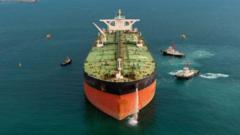
The threat to ships carrying oil in the Middle East has hit alarming levels, the worst since the onset of the Iran war, experts warn. This grim assessment follows a series of attacks on vessels traversing the Red Sea, a vital route that many tankers have opted for since Iran imposed restrictions on the Strait of Hormuz. This situation is dire, folks. We’re talking about a major crisis here, and it’s one that’s escalating rapidly.

Since the beginning of this conflict, the risk to oil trade has surged to unprecedented heights. Remember the temporary peace deal struck with the US back in early June? Well, that gave a brief glimmer of hope, but the reality is that tensions flared up again just a month later, leading to a significant drop in maritime traffic. Many ships are now “going dark,” which means they’re turning off their tracking systems to avoid detection. Yahu, this is serious business! Houthi fighters targeting Saudi tankers using this alternative waterway only adds to the already volatile mix.

And let’s not forget the Iranian-backed Houthi militia, which recently declared what they refer to as a blockade on Saudi Arabia. This blockade complicates an already fraught situation, as it not only constrains oil flows from the Strait of Hormuz but also threatens a key factor that had previously helped stabilize the market. Talk about stacking problems on top of problems! Experts are saying we’re facing a broadening, deteriorating security situation that’s becoming increasingly complicated.

This isn’t just about oil, either. The ongoing conflict is impacting market dynamics and freedom of navigation in the region. Services have been suspended, and ships are being redeployed elsewhere as a precaution. To get back to normal, experts believe it could take three to four months. Can you believe that? It’s like we’re right back at square one, and the alternatives for transporting cargo, especially from Saudi Arabia, are dwindling fast.

So, what’s next? The situation is fluid, and we’re all left wondering how this will play out. Will tensions escalate further, or can some form of peace be brokered? Only time will tell, but one thing’s for sure: the eyes of the world are on the Middle East, and the stakes couldn’t be higher.

Kaynak: Orijinal Haber

Oil Prices Dip as Middle East Talks Spark Hope for Stability

Brent crude oil prices for October delivery plunged by 5.16%, settling at $83.39 a barrel, while US crude, known as WTI, futures for September deliv

Brent crude oil prices for October delivery plunged by 5.16%, settling at $83.39 a barrel, while US crude, known as WTI, futures for September delivery took a nearly 6% hit, dropping to $79.66 per barrel. The decline in crude prices came hot on the heels of US President Donald Trump’s announcement regarding fresh talks with Iran, which eased worries about potential disruptions in oil supply. This news set the stage for a bit of relief in the markets, as traders began to feel a little more optimistic.

Adding to this downward trend, Saudi Arabia, Russia, and five other key players within OPEC+ convened online for a meeting on Sunday. They decided to ramp up oil production by 188,000 barrels a day starting in September, despite ongoing disruptions caused by conflicts in the Middle East. The decision was widely anticipated by analysts, who had been keeping a close eye on the situation—Jorge Leon, an analyst at Rystad Energy, pointed out that while this increase is on the table, the Gulf countries face significant challenges in boosting exports due to Iran’s maneuvers in the Strait of Hormuz during the ongoing regional turmoil.

You know, it’s a bit of a juggling act! Many OPEC+ members are struggling to hit their official production targets due to a decline in capacity. Leon mentioned that OPEC+ has completed its restoration campaign, which means they have little motivation to rush into further supply changes. He speculated that a pause might be on the horizon as the group gears up for the 2027 quota negotiations. Will they really be able to ramp up their oil volumes? That’s still unclear.

Some countries, like Iraq, are eager to significantly boost their production, but there’s more to the story. Russia is grappling with ongoing drone attacks from Ukraine that have hampered its oil infrastructure, leaving production hovering around nine million barrels per day—well below its target of 9.8 million. Analysts at DNB Carnegie expect this to remain the case even with the upcoming September increase.

Between late 2022 and 2023, OPEC+ was quite jittery about falling oil prices and decided to cut production in three separate rounds, ultimately reducing output by nearly six million barrels per day. But here’s the kicker—Saudi Arabia, Russia, Iraq, Kuwait, Kazakhstan, Algeria, Oman, and the UAE might look united for now, but Leon warns that the UAE’s exit from the group in May has exposed some cracks in their cohesion.

So, where does that leave us? With oil prices dropping and geopolitical tensions on a knife’s edge, it seems we’re in for a rocky ride ahead. What’s next for the oil markets? We’ll be watching this space closely…

Kaynak: Orijinal Haber

IEA Reports First Annual Drop in Global Oil Demand Since COVID-19 Pandemic

Global oil demand is on track to experience its first annual decline since the COVID-19 pandemic, according to a recent report from the Internationa

Global oil demand is on track to experience its first annual decline since the COVID-19 pandemic, according to a recent report from the International Energy Agency (IEA). This surprising shift comes amidst rising prices and a shift in consumer behavior as people adapt to the changing economic landscape. With countries around the world feeling the pinch of inflation and energy costs, it seems that the pendulum is swinging away from the high consumption levels seen in the last few years.

The IEA’s analysis indicates that global oil demand will fall by approximately 1.2 million barrels per day this year. This decline is significant, especially considering that just a few years ago, the demand was on an upward trajectory, fueled by increasing industrial activity and a surge in travel as restrictions eased. Now, the landscape has transformed dramatically, leaving many to wonder: what will this mean for the future of the oil industry?

As we look at the numbers, it becomes clear that the rise in electric vehicle adoption, coupled with energy conservation measures, is starting to make an impact. People are becoming more conscious of their energy use, and businesses are adjusting their operations to be more sustainable. The IEA reports that this change is not just a blip; it may signal a long-term trend as countries commit to reducing their carbon footprints. Consumers are opting for greener alternatives more than ever before, and that’s shaking up the oil market.

But it’s not just the consumers who are feeling the heat. Oil-producing nations are bracing for a potential economic shift. With prices fluctuating and demand decreasing, many are re-evaluating their strategies. The question on everyone’s mind is: how will these countries adapt to a world that is moving towards renewable energy sources? Yahu, it’s a real conundrum!

Looking ahead, the IEA warns that the transition won’t be smooth. While some countries are leading the charge towards renewable energy, others may struggle to adapt. The oil market is known for its volatility, and as demand falls, we could see prices drop, leading to more uncertainty. Citizens, businesses, and governments alike are left to wonder what the future holds. Will we see a resurgence in oil demand, or is this the beginning of a new era? Only time will tell.

Kaynak: Orijinal Haber
Energy Experts Signal Caution: Oil and Gas Supply Recovery Slow Post-Iran Deal

Energy experts are raising eyebrows and concerns over the sluggish recovery of oil and gas supply following a potential deal with Iran. The anticipa

Energy experts are raising eyebrows and concerns over the sluggish recovery of oil and gas supply following a potential deal with Iran. The anticipation surrounding the deal has been like a ticking clock, but experts warn that the effects might not be as immediate as many hope. The whispers in the industry suggest that while the deal could open the floodgates for Iranian exports, the actual recovery of supply may take longer than expected.

As the world watches closely, the reality is that it’s not just about signing a piece of paper. Yahu, it’s about logistics, infrastructure, and many other factors that could delay the flow of oil and gas from Iran to the global market. Experts point out that the existing sanctions have left significant marks on the Iranian oil sector, and rebuilding that capacity will be a slow grind. “It’s not like flipping a switch,” one analyst stated, emphasizing that even with a deal, the operational challenges remain considerable.

Moreover, the geopolitical landscape adds another layer of complexity. The ongoing tensions in the region and market volatility could further hinder recovery efforts. It’s a classic case of “just because you can, doesn’t mean you will.” The global economy is still reeling from various shocks, and the oil and gas sectors are no exception. Prices have been fluctuating, and any disruption could lead to a new rollercoaster ride for consumers and businesses alike.

So, what does this mean for the average person? Well, fuel prices could remain high for a while longer. The hope was that with Iranian oil back in the game, prices would stabilize, but that might not be the case if supply chains are not restored promptly. Citizens are left wondering, “When will we see relief at the pump?” As the experts continue to analyze the situation, it’s clear that the path to recovery is filled with potholes.

In summary, while there’s a glimmer of hope with the Iran deal on the horizon, the road to a robust oil and gas supply recovery is looking like a long and winding one. The experts are keeping a close eye on developments, and it remains to be seen how quickly the industry can adapt. Bakalım bundan sonra ne olacak?

Kaynak: Orijinal Haber

UK to End Russian Diesel Imports by 2027: Sanctions Tighten

The UK government has made a bold commitment: by January 1, 2027, it will ban imports of diesel and jet fuel derived from Russian oil. This decision

The UK government has made a bold commitment: by January 1, 2027, it will ban imports of diesel and jet fuel derived from Russian oil. This decision is part of a larger set of sanctions aimed at putting pressure on Moscow in the wake of the ongoing war with Ukraine. Back in May, the government announced it would begin phasing out diesel and jet fuel that has been refined in third countries using Russian crude, citing the need for flexibility due to global oil supply challenges.

But hold on, this move has not gone without criticism. The European Union has raised eyebrows, stating that it’s “not the time to roll back sanctions” against Russia. Trade Minister Chris Bryant emphasized the significance of this end date, calling it a “clear signal” that the UK is ramping up its pressure on Russia. Bryant also mentioned that the temporary license for importing these products will undergo a review every two weeks. This means, folks, that the license could be revoked even before the January deadline. “I made a commitment to the House of Commons that we would review the temporary general licence for diesel and jet fuel on a fortnightly basis and lift it as soon as practicable,” he said.

The tension in global oil markets is palpable as the ongoing conflict involving the US and Israel with Iran has caused oil prices to spike. Before the conflict erupted, Brent crude was sitting at around $70 a barrel, but now it’s hovering around $87. This is a significant jump, and you can bet it’s making people sit up and take notice.

On the other hand, Stephen Doughty, the Minister for the Foreign, Commonwealth and Development Office, stated, “These new measures that strengthen our sanctions will stop refined oil made from Russian crude from entering the UK through third countries.” The urgency of the situation is clear; they’re trying to maximize pressure on Russia while juggling stability back home. But not everyone is on board with this plan. Sir Bill Browder, a well-known critic of Russian President Vladimir Putin, declared the decision as “absurd.” He pointed out the irony of providing billions to Ukraine while simultaneously giving Russia the funds to fuel its war efforts. “For anyone to not see the connection and absurdity, they must be willingly blind,” Browder remarked.

Meanwhile, the markets in Asia are feeling the pinch, especially with a tech sell-off underway. The volatility in oil prices is a hot topic as Iran and Israel continue their hostilities. Plus, there’s a landowner eyeing the Biscathorpe site for “agricultural use,” which adds another layer of complexity to the situation. The motoring group RAC has even warned that pump prices could continue to rise if the Iran war doesn’t see a resolution soon.

To top it all off, there’s chatter about a potential extended ceasefire, pending Donald Trump’s approval, which has led to a dip in global oil prices. So, what’s next in this evolving saga? Keep your eyes peeled, because the developments are coming in fast…

Kaynak: Orijinal Haber

UK to End Russian Diesel and Jet Fuel Imports by 2027

The UK government has made a strong commitment to ban imports of diesel and jet fuel derived from Russian oil by January 1, 2027. This significant mo

The UK government has made a strong commitment to ban imports of diesel and jet fuel derived from Russian oil by January 1, 2027. This significant move is part of a broader package of sanctions aimed at Moscow, following the ongoing war with Ukraine. Back in May, the government announced plans to gradually phase out diesel and jet fuel that had been refined in third countries from Russian crude oil. Why, you ask? Because they felt that extra flexibility was necessary due to the turbulent global oil supply situation.

Critics weren’t silent on this one, as the European Union cautioned that it “is not the time to roll back sanctions” against Russia. Trade Minister Chris Bryant emphasized that the end date serves as a clear signal of the UK’s resolve to maintain maximum pressure on Russia. The government has stated that the temporary license for importing these products will be reviewed every two weeks, which means it could potentially be revoked even before the January deadline. “I made a commitment to the House of Commons that we would review the temporary general licence for diesel and jet fuel on a fortnightly basis and lift it as soon as practicable,” Bryant noted.

But wait, there’s more! Global oil prices are currently being pushed up due to the ongoing conflict between the US and Israel with Iran. The effective halt of trade through the Strait of Hormuz has led to a reduction in global oil supplies. Just to give you a sense of the market, before the conflict, Brent crude was trading around $70 a barrel; now it’s skyrocketed to about $87 as discussions of a ceasefire appear to be inching closer.

Stephen Doughty, Minister for Foreign, Commonwealth and Development Affairs, stated, “These new measures that strengthen our sanctions will stop refined oil made from Russian crude from entering the UK through third countries.” He further added that they are maximizing pressure on Russia while ensuring stability at home. The aim is to use every possible lever to undermine Putin’s war machine and support Ukraine.

However, not everyone is on board. A campaigner criticized the decision as “absurd,” arguing that it would funnel billions of pounds into Russia’s war efforts. Sir Bill Browder, a well-known opponent of Russian President Vladimir Putin, echoed this sentiment during an interview with the BBC, saying, “It’s absurd. On one hand, we are giving Ukraine billions to fight off Russia. On the other, we’re giving Russia billions for their diesel and jet fuel to buy weapons to attack Ukraine.” Can you believe it?

Meanwhile, markets in Asia are experiencing a tech sell-off, and oil prices are becoming quite volatile as Iran and Israel trade blows. On another note, the landowner at the Biscathorpe site is looking to exploit it for “agricultural use.” And don’t forget Delcy Rodríguez’s recent trip to India, which highlights Venezuela’s growing role in oil diversification for Delhi.

Oh, and just a heads up from the motoring group RAC: pump prices could continue to rise if the Iran war doesn’t find a resolution soon. In a surprising twist, reports of a potential extended ceasefire, pending Donald Trump’s approval, have led to a drop in global oil prices this Thursday. Will this have any lasting impact? Only time will tell…

Kaynak: Orijinal Haber