Egypt, Greece, and Cyprus have joined forces to push ahead with plans to transport Cypriot gas to Europe, utilizing Egyptian export facilities. This
Egypt, Greece, and Cyprus have joined forces to push ahead with plans to transport Cypriot gas to Europe, utilizing Egyptian export facilities. This collaboration comes in light of the ongoing disruptions to liquefied natural gas (LNG) supplies from the Gulf, primarily due to the Iran conflict and the blockade of the Strait of Hormuz, which are pressing European buyers to seek alternative sources. The leaders—Egyptian President Abdel Fattah el-Sisi, Greek Prime Minister Kyriakos Mitsotakis, and Cypriot President Nikos Christodoulides—met in El Alamein on Egypt’s Mediterranean coast this past Tuesday. They collectively emphasized the urgency of completing the connection between Cyprus’ offshore gas fields and Egyptian infrastructure.
Now, let’s talk numbers. The Cronos project, which marks Cyprus’ first gas development, is set to kick off gas production by 2028, as reported by Eni. Coinciding with the summit, engineering firm McDermott announced it had been awarded a hefty contract, estimated between $500 million and $750 million, to support the Cronos development. They’re set to provide engineering and installation services, effectively managing the offshore operations. What’s key here is that Eni and TotalEnergies gave the green light for this project back on July 28, with both companies holding equal stakes of 50%.
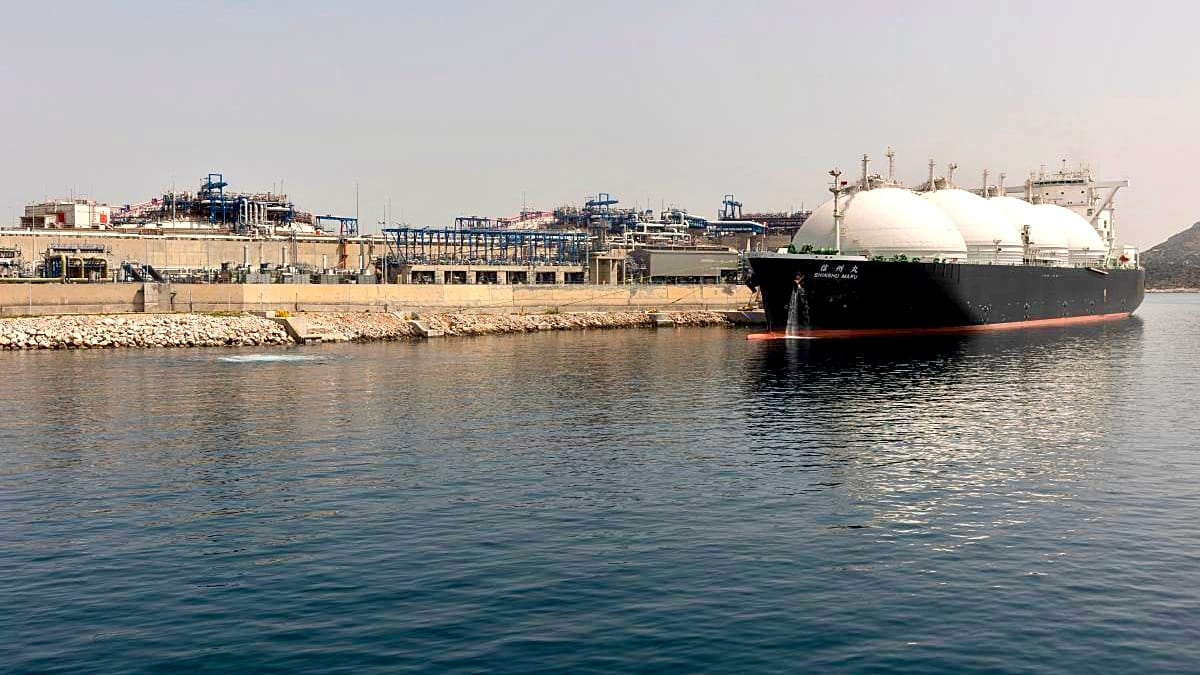
So, how will the gas make its way to Europe? It’s pretty straightforward—Cronos will be developed through four offshore wells, with the gas transported via an undersea pipeline to Egypt. Once there, it will utilize existing processing facilities tied to Egypt’s Zohr field before heading to Damietta for liquefaction and shipping. Eni has asserted that using these existing facilities will cut costs and expedite development, plus it would help in reinstating regular LNG exports from Egypt. At full production capacity, Cronos is expected to churn out around 2.8 million tonnes of LNG each year, with the field holding over 3 trillion cubic feet of additional gas, according to Eni.
During this talk, Mitsotakis pointed out a potential route for the gas through Greece’s Revithoussa and Alexandroupolis terminals. From there, the LNG would be regasified and sent to southeastern and central Europe via what’s known as the Vertical Corridor. Interestingly, he mentioned that this gas “could, in theory,” enter Europe through Greek facilities—making Greece a possible gateway, though not a mandatory stop. Eni aims to market the gas primarily in Europe and other global markets instead of limiting it just to Greece.
Now, let’s not forget about the bigger picture. This new Mediterranean gas route is crucial for Europe’s energy security, diversifying its LNG supply sources, as highlighted by TotalEnergies’ CEO Patrick Pouyanné. The Vertical Corridor, linking existing gas networks from Greece to countries like Bulgaria and Romania towards Moldova and Ukraine, will allow LNG from Greek terminals to reach more distant European markets. Plus, the proposed route keeps shipments from Egypt to Greece within the Mediterranean, steering clear of the Strait of Hormuz and the Red Sea, focusing instead on transporting newly produced Cypriot gas without rerouting existing Gulf cargoes.
Now, looking ahead, the International Energy Agency has forecasted a total LNG supply loss of 140 billion cubic meters between 2026 and 2030, with the sharpest impact expected in 2026 and 2027. Europe is also gearing up to end its remaining Russian gas imports, with EU regulations set to impose a full ban on Russian LNG and pipeline gas starting in 2027. With all these changes, the cooperation between these nations is expanding beyond gas. El-Sisi and Mitsotakis also discussed plans to connect their electricity systems, with a proposed undersea power cable named GREGY that would deliver renewable energy from Egypt to Greece, boasting a capacity of 3,000 megawatts.
And let’s not forget the historical context. This trilateral partnership kicked off back in November 2014 during a summit in Cairo. Their latest declaration also touched on maritime boundaries, insisting that agreements must align with international law, particularly the UN Convention on the Law of the Sea. While Greece and Egypt signed an agreement regarding part of their maritime boundary in 2020, Turkey was quick to reject it, claiming overlaps with its own continental shelf claims. Mitsotakis reiterated that this partnership among Egypt, Greece, and Cyprus is “not directed against any country.”
So, what’s next in this evolving energy saga? Only time will tell as these nations continue to strengthen their ties and tackle the pressing energy needs of Europe…
Kaynak: Orijinal Haber