
Labour Mayors in England Set to Limit Tourist Tax to 5% Amid Job Concerns

Labour mayors across England are stepping up to cap the new tourist tax at 5% for overnight stays, a move aimed at safeguarding local jobs. Cities li

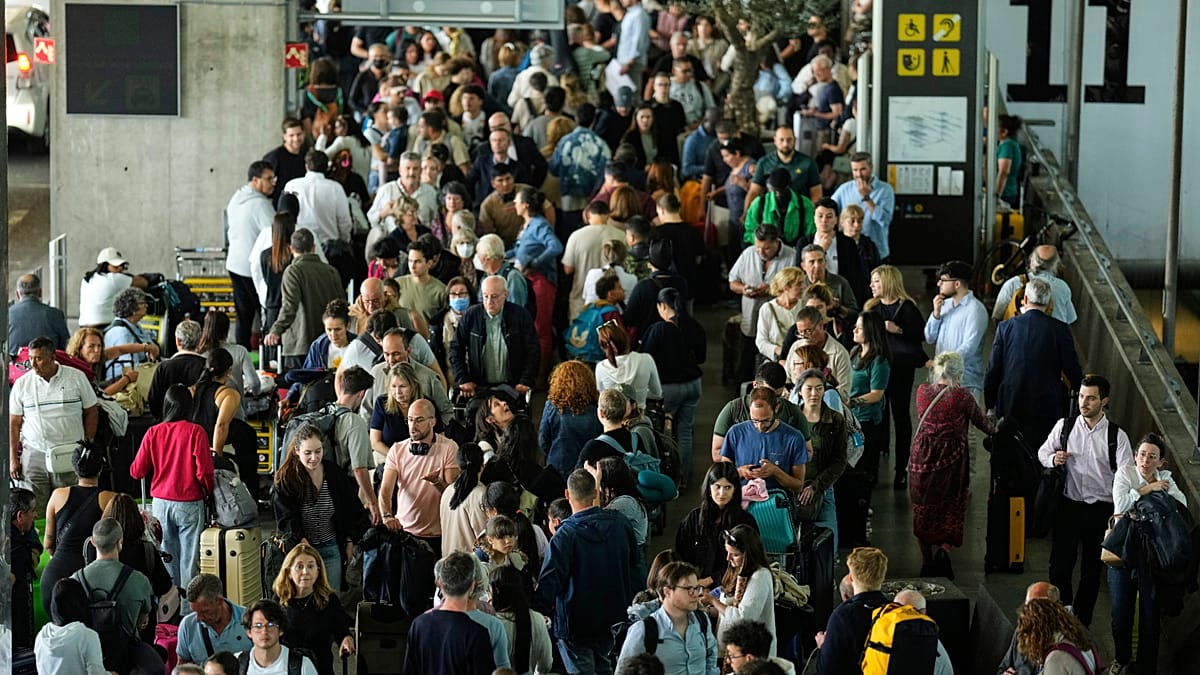
Labour mayors across England are stepping up to cap the new tourist tax at 5% for overnight stays, a move aimed at safeguarding local jobs. Cities like York, where this proposal is being discussed, are at the forefront of this initiative after hospitality leaders raised alarms about potential job losses due to an uncapped levy. Local authorities are gearing up for new powers to impose this levy, which has been labeled a “tourist tax.”

In a letter penned to Chancellor John Healey and Local Government Secretary Angela Rayner, the Labour metro mayors argued that a 5% cap is a “reasonable ceiling” for the tax. They emphasized that this approach would still allow for “meaningful investment,” provided there is local consultation involved. Importantly, the plan ensures that low-cost accommodations will always pay the lowest levy, a move designed to protect jobs in the sector. The mayor of Greater Manchester, Andy Burnham, echoed these concerns, stating on BBC Radio 4’s Today programme that the implications for jobs are substantial.

On the flip side, Conservative shadow housing secretary David Simmonds criticized the proposal, highlighting that this new tourism tax would also incur VAT, calling it a “Labour double whammy.” The debate is heating up, with Reform UK leader Nigel Farage denouncing the levy as a “holiday tax” that could “kill the industry off.”

Now, it’s worth noting that tourist taxes are not a novelty in Europe and other parts of the world. Cities like New York, Amsterdam, and Rome have already implemented similar overnight charges to help fund local services. Interestingly, in Scotland, local councils can levy a visitor tax on overnight accommodations, with Edinburgh’s rate set at 5%, capped at five nights. This has sparked mixed reactions; while some applaud the additional investments, others, like the Scottish Ballet, have had to cut performances, criticizing the “unsustainable economics of touring in Edinburgh.”

Wales is also on track to introduce a capped levy of £1.30 per person per night starting next April, but local authorities will decide whether to implement it. The conversations around these policies are ongoing, and it begs the question: how will this affect tourism in the long run?

Kaynak: Orijinal Haber
British Tourists Spend Less in Portugal Despite Increased Transactions

Foreign tourists holidaying in Portugal are spending less and less money in the country. According to the latest data from Turismo de Portugal, base

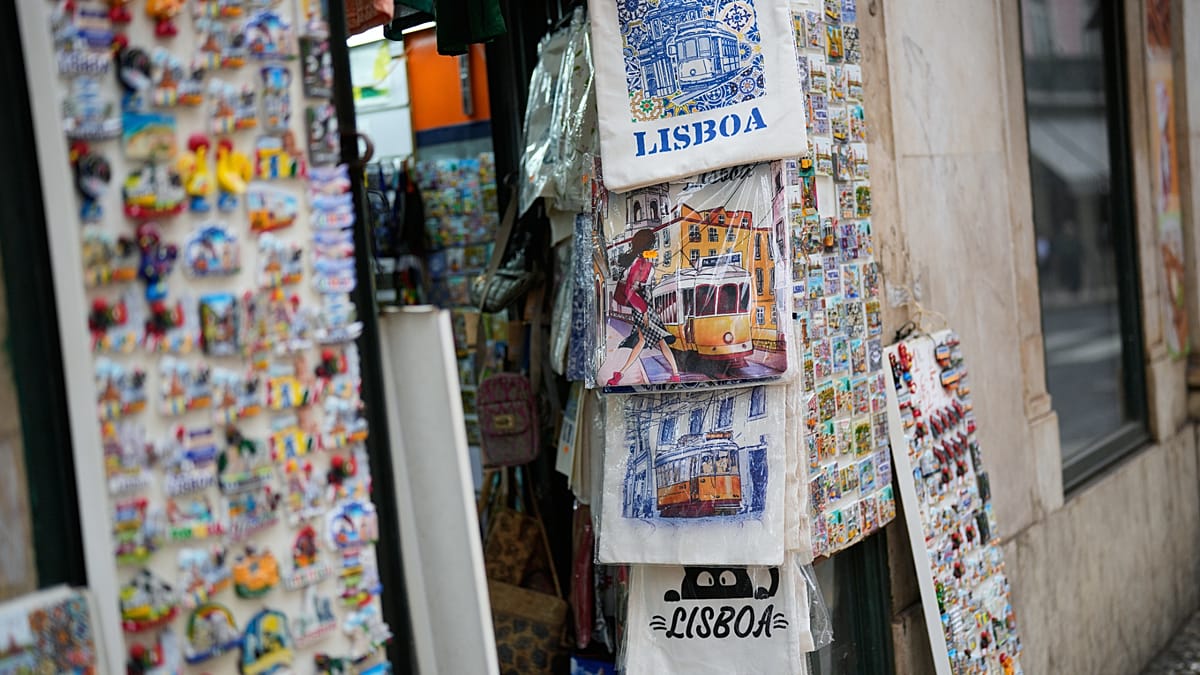
Foreign tourists holidaying in Portugal are spending less and less money in the country. According to the latest data from Turismo de Portugal, based on statistics from SIBS and published by Jornal de Negócios, the average value of transactions has dropped to its lowest level since 2019. The overall average spend per foreign transaction was just 35.70 euros in the first half of 2026. But here’s the twist: even with this decline, the volume of purchases made with foreign cards grew by 6%, surpassing a whopping 3.7 billion euros in total.

Now, where’s all this cash going? Well, it turns out that accommodation, restaurants, and shops are still raking in a significant share of that spending. The retail sector alone accounted for the largest chunk of foreign expenditure in the first half of the year, totalling around 1.4 billion euros. And let’s not forget the restaurant sector, which recorded over 1 billion euros in spending, while accommodation establishments logged about 735 million euros in electronic payments.

More than half of the foreign expenditure is concentrated in the Greater Lisbon area, taking up 35.7% of the pie, and the Algarve region, which claims 21.6%. Meanwhile, Northern Portugal accounts for a mere 1.9% of tourists’ purchases, which is pretty low if you ask me.

When you break it down by nationality, British tourists are leading the charge, having made an impressive 16 million electronic transactions in the country, racking up a total spend of 518 million euros. On the other hand, tourists from the United States are in second place when it comes to being big spenders, but they only managed to generate 2.4 million euros—far below what the British visitors brought in.

Despite the differences in overall spending, there’s an interesting twist in their consumption patterns. You see, while British visitors tend to make more purchases, North Americans are the ones who splash out the most per transaction, averaging about 45 euros each time they swipe their card.

So, what does this all mean for Portugal’s tourism sector? Are these spending habits a sign of changing times, or just a temporary blip? Well, that’s something to keep an eye on as we move further into the year…

Kaynak: Orijinal Haber

Does Tourism Really Spike Housing Prices in Spain? Study Reveals €3,800 Impact Per Home

In a recent study, researchers have put a figure on the impact of tourism on housing costs in Spain, estimating it to be around €3,800 per home. T

In a recent study, researchers have put a figure on the impact of tourism on housing costs in Spain, estimating it to be around €3,800 per home. This data shines a light on a pressing issue that many locals are grappling with. As tourists flock to the sun-soaked streets of Spain, the question arises: is the influx of visitors causing housing prices to soar?

The study highlights that the rising demand for rental properties, heavily influenced by tourism, is leading to significant price increases in housing markets. It seems that with every new hotel opening and every Airbnb listing, local residents are feeling the pinch. Imagine living in a city where your rent is constantly climbing, all because of the booming tourism sector. This situation paints a vivid picture of the struggle many Spaniards face today.

Looking deeper into the numbers, the €3,800 increase isn’t just a statistic; it represents real lives affected. Families are finding it harder to secure affordable housing. For some, it means having to move further away from their jobs, while others are forced to share cramped apartments just to make ends meet. This issue isn’t limited to big cities like Barcelona or Madrid; even smaller towns are witnessing the same trend, as tourists are eager to explore every corner of Spain.

But why is this happening? Well, as tourism increases, so does the demand for short-term rentals. Landlords are opting to cater to tourists rather than long-term tenants, which in turn reduces the availability of affordable housing for locals. Yahu, can you believe that? It’s a vicious cycle that leaves many wondering if they will ever be able to afford a place to call home.

The implications of this study reach beyond just numbers; they touch on the very fabric of Spanish society. Imagine walking through your neighborhood and seeing it transformed into a playground for tourists, while locals are pushed out. This is the reality many are facing. The question remains, how can communities balance the benefits of tourism with the needs of their residents?

As we look into the future, the impact of tourism on housing costs is likely to continue to be a hot topic. With more studies emerging, it will be interesting to see how local governments address these challenges. Will policies be put in place to protect residents? Or will the trend continue, leaving locals to fight for their place in the cities they call home?

Kaynak: Orijinal Haber