Why Electric Cars Are Costlier to Insure: Here’s the Inside Scoop!

Electric vehicles (EVs) like the Dacia Spring are facing a serious issue when it comes to insurance costs. A recent inspection revealed that the hig

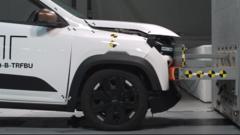
Electric vehicles (EVs) like the Dacia Spring are facing a serious issue when it comes to insurance costs. A recent inspection revealed that the high-voltage charging port in this EV was severely damaged, along with other crucial components. Senior test engineer Sean Hoad emphasizes the severity of the damage, noting that repairing it could run up to £4,000. With additional damages to consider, it’s highly likely that the insurer would choose to write off the car instead of attempting repairs. This situation is not just a technicality; it’s a growing concern that could deter potential buyers in the increasingly competitive EV market.

Steve Fowler, co-founder of the car review platform Carblah, insists that insurance costs are a pressing issue for many people considering an electric vehicle. The design of many EVs contributes significantly to these higher insurance premiums. Dan Harrowell, a principal advanced technologies engineer, explains that in an effort to reduce weight, manufacturers often integrate multiple components into single units. This can lead to complications when repairs are necessary.

Take, for instance, another vehicle in a nearby workshop. It’s a nearly-new model from a well-known manufacturer, recently brought in after a minor accident. Harrowell points out minor scratches on the battery’s protective casing. Luckily, the core battery cells are intact. However, due to the design, the entire assembly needs replacing to complete the repair. Given that the battery represents about 40% of the vehicle’s total value, this can make repairs exorbitantly expensive.

Making battery packs easier to fix could alleviate some of these issues. But it seems that insurers themselves are often resistant to these changes. The influx of Chinese EV manufacturers into the UK market has added another layer of complexity. Labor costs in China are much lower, which diminishes the need for manufacturers to streamline repair processes. In contrast, higher labor costs in Europe necessitate simpler repair methods.

According to Harrowell, while EVs generally have fewer components than traditional petrol or diesel vehicles, the components they do have tend to be costly. This results in longer wait times in workshops for repairs. Consequently, insurance companies are forced to provide loan cars for extended periods, further inflating repair costs and, inevitably, insurance premiums for everyone involved.

However, there is a silver lining. Thatcham Research indicates that significant progress has been made across the sector. The latest EV models’ average repair costs are now only 18% higher than their conventional counterparts. This improvement could lead to more affordable insurance premiums in the future and may even help drive electric car sales up. But will this trend continue? Only time will tell as the market evolves.

Kaynak: Orijinal Haber

Uncontrollable Measles Outbreak Claims Lives of Children in Bangladesh

Nearly 750 people, including baby Arafat, have tragically lost their lives to measles in Bangladesh over the past four months. Arafat’s story is part

Nearly 750 people, including baby Arafat, have tragically lost their lives to measles in Bangladesh over the past four months. Arafat’s story is particularly heartbreaking; his parents traveled nearly 10 hours to reach the hospital, only to see their little one grow worse with pneumonia and heart failure—complications from the measles virus. His father fainted in the ambulance, overwhelmed by the stress as he watched his first child become unresponsive. This is just one among the staggering more than 120,000 suspected and confirmed cases since mid-March, a spike that has left many families in despair.

“This disease was under control in our country,” says Mawla, highlighting the sudden resurgence. Vaccines have proven to be highly effective, so the question arises: why is this outbreak happening now? According to Miguel Mateos Muñoz, UNICEF’s spokesperson in Bangladesh, a “perfect storm” has led to this crisis. He points fingers at the interim government led by Muhammad Yunus, which delayed vaccine orders last year, focusing instead on new vendors and restructuring the purchase processes. This decision has had dire consequences, as the government failed to communicate any specific warnings about the potential outbreak.

The COVID-19 pandemic has also played a significant role, causing delays in routine vaccinations and halting mass measles-rubella campaigns since 2020. Coupled with overcrowding and increased travel during Eid holidays, these factors have fueled the current surge in cases. It’s not just Bangladesh facing this issue; countries like the UK and the US have also seen rising measles cases, with children under five in both countries failing to meet the 95% vaccination threshold needed for herd immunity.

Daily new cases in Bangladesh are still approaching 1,000, and the public health experts are warning that this outbreak is a stark reminder of the dangers that come with interruptions in vaccine coverage. Three hours outside of Dhaka, the consequences of the vaccine shortage become painfully clear. Mosammat Nila Akhter and her husband took their 10-month-old child, Maliha, to a clinic in February for her vaccine, only to be told there were none left. As the outbreak escalated, Maliha was hospitalized with pneumonia but was discharged just days later. Shortly after, her parents noticed a rash on her belly, a telltale sign of measles.

Back at the hospital, they were met with a shocking reality—there were no available beds. They waited three hours at another hospital, hoping for a spot, as bed shortages forced children with and without measles to share wards. “The doctors just kept coming and saying, ‘keep wiping her body,'” Akhter recalls, her voice breaking as tears flow. “She would just look at me. Even with all those tubes and machines attached to her, she would try to reach out, wanting to crawl into my lap.” It’s gut-wrenching to think how much Maliha’s parents have suffered through this ordeal.

Public health expert Mushtuq Husain pointedly remarked that the government refuses to acknowledge this as an epidemic, calling the current figures merely “the tip of the iceberg.” In the wake of our visit to the measles ward in Mymensingh, we learned that baby Arafat has died. The reality is stark: he is now one of hundreds of children lost to this preventable disease. His father, in tears over the phone, is a haunting reminder of the pain families are enduring during this health crisis.

As the situation continues to unfold, we can’t help but wonder: what measures will be taken next? How many more lives will be affected before action is finally taken? The urgency for vaccination has never been clearer…

Kaynak: Orijinal Haber

Manchester United Sezonu Açıyor: Chelsea’den Santos Geldi!

Manchester United, Chelsea ile yaptığı anlaşma sonucunda Brezilyalı orta saha oyuncusu Andrey Santos’u kadrosuna kattı. Anlaşmanın bedeli ta

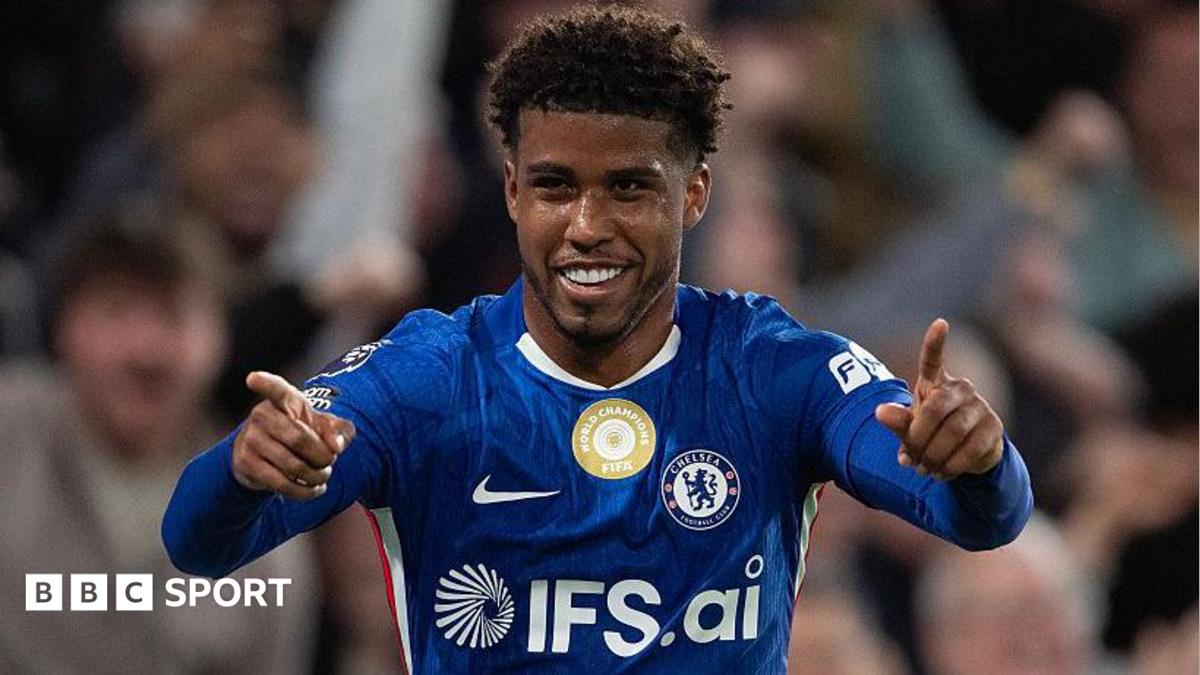
Manchester United, Chelsea ile yaptığı anlaşma sonucunda Brezilyalı orta saha oyuncusu Andrey Santos’u kadrosuna kattı. Anlaşmanın bedeli tam olarak 50 milyon pound olarak belirlendi. Bu transfer, taraftarların büyük bir merakla beklediği bir gelişme oldu. Santos’un, Premier Lig’deki ilk sezonunda Manchester United forması giyecek olması, futbolseverler arasında heyecan yarattı.

İşin aslı, bu transferin arka planında Chelsea’nin genç yıldızını kaybetme korkusu yatıyor. Santos, Chelsea’de geçirdiği kısa sürede büyük bir potansiyele sahip olduğunu gösterdi ve şimdi Manchester United’ın hedefleri doğrultusunda önemli bir parça haline gelecek. Yahu, bu kadar para verip bir oyuncu almak, elbette bir risk, ama United taraftarları, Santos’un yeteneklerine olan güvenin tam olduğunu düşünüyor. Bakalım, genç oyuncu, Old Trafford’daki atmosferde nasıl bir performans sergileyecek?

Bu anlaşmanın, Premier Lig’deki rekabeti nasıl etkileyeceği de merak konusu. Santos’un oyun tarzı, United’ın hızlı ve dinamik futbol anlayışına uygun gibi gözüküyor. Takımın hocası, Santos’un bu tarzda nasıl bir katkı sağlayacağını görmek için sabırsızlanıyor. Hadi canım, bu transferle birlikte United taraftarları da daha umutlu bir sezona adım atmış oldu. Yani, bu sezon Manchester United için bambaşka bir hikaye yazma şansı var.

Santos, genç yaşına rağmen uluslararası arenada da tecrübe kazandı. Geçmişteki başarıları, onun gelecekteki potansiyelini daha da artırıyor. Ancak, bu kadar yüksek bir bedelle transfer olmak, üzerindeki baskıyı da artıracak. İşte bu noktada Santos’un karakteri devreye girecek. Bazı taraftarlar, “Acaba bu kadar para verip alınan oyuncu, beklentilerin altına düşer mi?” diye düşünmeden edemiyor. Ama unutmayalım ki, bazen genç oyuncular, bu tür baskılardan güç alabiliyor.

Gelişmeler oldukça, Santos’un Manchester United kariyerinin nasıl şekilleneceğini de hep birlikte göreceğiz. Bakalım, bu transfer United’ın sezonunu nasıl etkileyecek? Futbol dünyasında gözler şimdi Santos’un üzerinde…

Kaynak: Orijinal Haber

Why Electric Cars are Costlier to Insure: Unpacking the Hidden Costs

The hidden costs of insuring electric vehicles (EVs) are coming to light, and it’s raising eyebrows among potential buyers. Take the Dacia Spring,

The hidden costs of insuring electric vehicles (EVs) are coming to light, and it’s raising eyebrows among potential buyers. Take the Dacia Spring, for instance, which recently faced significant damage. Senior test engineer Sean Hoad points out that the high-voltage charging port at the front is badly broken, along with other essential components. Repairing all of that? A whopping £4,000! That’s right, and with more damage to consider, it’s likely that an insurer wouldn’t bother fixing it at all. Instead, they’d probably just write it off.

Now, this isn’t just a one-off case. As competition heats up in the electric car market and consumer interest surges, the insurance costs are becoming a real concern for would-be buyers. Steve Fowler, co-founder of the car review site Carblah, insists that the design of many EVs plays a big role in these rising costs. “To save some weight, there’s a lot of integration of components,” says principal advanced technologies engineer Dan Harrowell. This means that when one part gets damaged, it can lead to extensive repairs.

In a workshop not too far away, a nearly-new model from a mainstream manufacturer sits on a ramp post-accident. It’s just some scratches on the protective casing of the battery, but guess what? The core of the battery, which houses the power cells, is intact. However, since the whole assembly comes as a single unit, it would need replacing in full for a proper fix. Given that the battery accounts for about 40% of the car’s total value, that replacement can get pricey.

Making batteries more repair-friendly could be a game-changer here, but sources from within the industry say insurers are a bit resistant to this idea. And then, let’s not forget the influx of Chinese EV manufacturers hitting the UK market, which brings its own set of challenges. Labor rates in China are way lower, so there’s little motivation to streamline repair processes. In Europe, it’s a whole different ballgame with labor costs much higher, necessitating simpler repair methods.

Thatcham Research’s Dan Harrowell notes that while EVs have fewer components than traditional petrol or diesel cars, the components they do have can be quite expensive. This means cars end up spending more time in the workshop. More workshop time translates to insurers providing loan cars for longer periods, which only drives up repair costs, and subsequently, insurance premiums for everyone.

The good news? The industry is working on making repairs to battery packs more feasible while adhering to safety protocols and insurer requirements. Progress has been made, and the latest EV models show average repair costs just 18% higher than their non-electric counterparts. This could lead to more affordable insurance premiums down the line and possibly give a boost to electric car sales.

But the question remains: how will the industry adapt to these challenges moving forward?

Kaynak: Orijinal Haber

The Fake Erling Haaland: AI’s Unexpected Star of the World Cup

Erling Haaland, the Norwegian footballer, has been on fire during the 2026 World Cup, showcasing his talent for scoring goals and creating engaging c

Erling Haaland, the Norwegian footballer, has been on fire during the 2026 World Cup, showcasing his talent for scoring goals and creating engaging content. This guy is a meme machine! From his nostril-angle selfies that humorously liken him to Shrek, to his goofy Q&As and comedic skits, Haaland’s online presence is hard to ignore. But here’s the kicker — a lot of what you see floating around the internet isn’t even his work; it’s mostly generated by AI.

Just last week, a video featuring Haaland chowing down in a restaurant went viral, racking up over 31 million views on X in just a few days. Fans were buzzing, but fact-checkers quickly pointed out that the footage actually originated from a comedic skit by a Chinese duo, Jin Long and Qiu Qiu, which was posted on TikTok way back on June 15. As Haaland’s fans dialed up the creativity, they started editing videos, putting his face on characters from movies like Marlon Wayans’s role in “The Vikings Are Coming.” The edits quickly blurred the lines between reality and fiction, as fans flooded social media with AI-generated images of Haaland dressed as a Viking warrior, axe in hand, ready for battle.

And it doesn’t stop there! Right-wing and far-right accounts have latched onto Haaland as a symbol of a strong, blonde, blue-eyed man, sharing Viking-themed content that often paints him in a mythical light. This AI content has roots in China, where Haaland has become somewhat of a folk hero. Since he joined platforms like Weibo and Douyin, fans have dubbed him things like “Nordic Cyborg” or “Robot Striker,” set to the catchy tune of Moskau — a song that was released decades before Haaland was even born.

It’s fascinating to think about how an athlete can transcend the sport and become a digital icon, isn’t it? The lines between the real and the imagined are becoming increasingly blurred, and while Haaland is busy scoring goals on the pitch, his AI-generated persona is winning hearts online.

What’s next for Haaland as he continues to navigate this wild mix of fame and technology?

Kaynak: Orijinal Haber

Premier League’s Shocking Losses: A 600% Surge in Pre-Tax Deficits!

Premier League clubs lost a staggering £948 million (€1.1 billion) before taxes in the 2024/25 season, which is roughly seven times the £135 mill

Premier League clubs lost a staggering £948 million (€1.1 billion) before taxes in the 2024/25 season, which is roughly seven times the £135 million (€158 million) shortfall of the previous campaign. This alarming news comes from Deloitte’s 35th edition of its Annual Review of Football Finance, released on Wednesday. You’d think with all the cash flowing in, it would be smooth sailing, right? Nope!

This season saw Premier League clubs raking in record revenues, with a whopping 8% increase, bringing the total to £6.8 billion (€7.9 billion). That’s the highest figure in all of Europe! Yet, despite this financial boom, the pre-tax losses ballooned to a mind-blowing €1.5 billion. Tim Bridge, who leads the Deloitte Sports Business Group, has pointed out that the overcrowded fixture calendar might be sacrificing long-term success for short-term gains. Can you believe it?

And it doesn’t stop there. The situation gets even bleaker when you look down the leagues. Championship clubs and others in the English Football League are facing cumulative losses that paint a grim picture. Bridge stressed that external funding is becoming crucial for survival in most cases. The talks about a fairer distribution of television money between the Premier League and the EFL have been stuck since 2024. Meanwhile, the newly established Independent Football Regulator has the power to enforce a settlement, but what will that mean for the clubs?

So, what’s next for these teams that are losing money hand over fist while also being the highest earners in football? Fans and analysts alike are left wondering how this financial landscape will evolve. Will clubs find a way to balance the books, or are we on the brink of a bigger crisis? Keep your eyes peeled; this saga is far from over…

Kaynak: Orijinal Haber

IMF Seçiminde İtalya’ya Umut, Almanya ve Fransa için Kötü Haberler

The International Monetary Fund (IMF) is sending out some mixed signals this week, especially when it comes to the economic forecasts for Italy, Fran

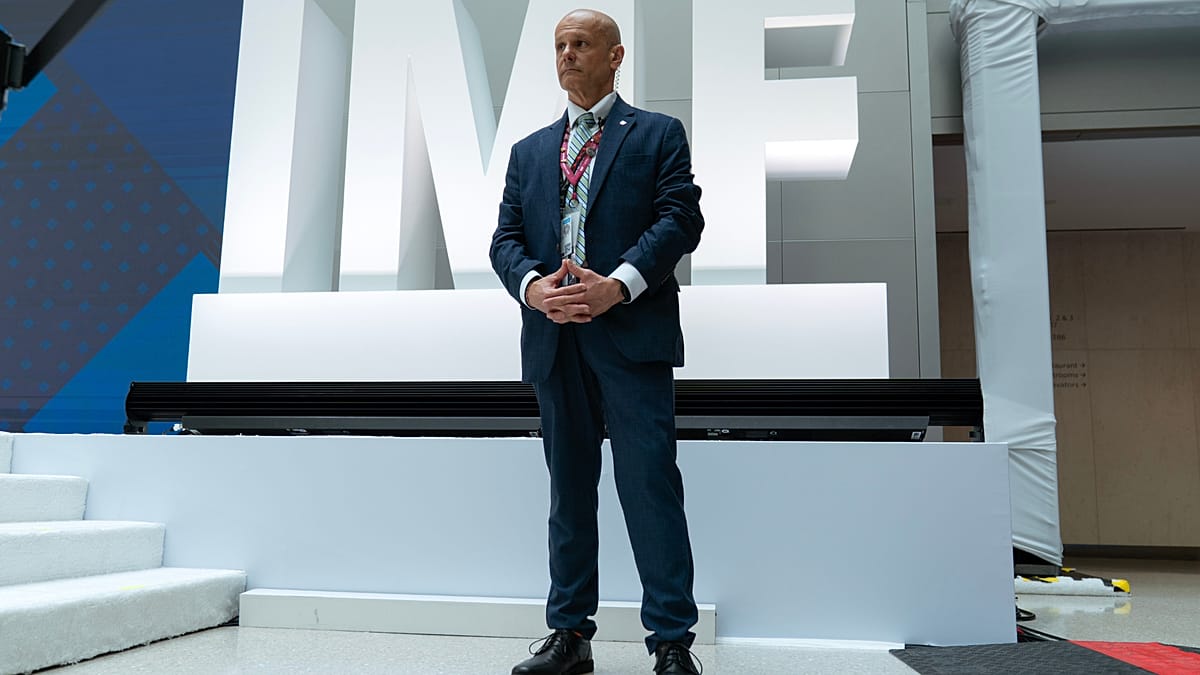
The International Monetary Fund (IMF) is sending out some mixed signals this week, especially when it comes to the economic forecasts for Italy, France, and Germany. According to the latest World Economic Outlook published on Wednesday, Italy is expected to see a growth of 0.5% this year and again in 2027. Now, that might not sound like a lot, but the IMF calls it “modest but expected” levels. They also pointed out that the investments planned under the National Recovery and Resilience Plan (NRRP) are continuing to fuel economic activity. But hold on, it’s not all sunshine and rainbows—higher energy and food prices, along with a cloud of uncertainty, are putting the squeeze on household spending, as Brooks from the IMF highlighted.

Now, let’s shift our focus to France and Germany, which are not exactly basking in the same glow. The IMF has downgraded its growth projections for both countries for 2026. France is now looking at a growth rate of just 0.6% this year, which is a concerning 0.3 percentage points lower than what was forecast back in April. For 2027, the growth is expected to crawl up to 0.9%. Germany, on the other hand, is projected to grow by 0.7% this year and a slightly better 1.0% next year. You can see that things aren’t exactly booming over there…

Meanwhile, the Spanish economy is expected to perform a bit better, with projected GDP growth rates of 2.1% in 2026 and 1.8% in 2027. But don’t get too comfortable; the IMF has flagged developments in the Middle East as the most immediate risk to these forecasts. Yahu, what’s going on over there?

And speaking of growth, the Chinese economy is projected to bounce back with a growth rate of 4.6% in 2026 and 4.1% in 2027. That’s a hit compared to the previous year’s performance, showing a slowdown in their politico-economic system. Meanwhile, Brazil is also in the mix, with expected growth of 2.4% by the end of 2026, before a dip in the following year—this aligns with the Latin American average, which is also estimated to grow at 2.4% year-on-year compared to 2025.

Now, about Africa, the forecasts appear to be more stable, averaging between 4.3% and 5.2% for this year. But, and here’s the kicker, there are major internal differences among the largest economies. For example, Nigeria’s disinflation trend has hit a wall. The IMF’s economists suggest that policy priorities should focus on restoring price stability, with a strong emphasis on clear communication, central bank independence, and robust financial supervision. They also recommend carefully rebuilding fiscal buffers and using fiscal policy tools sparingly.

So, what does all this mean for the everyday citizen in Italy, France, and Germany? With household spending under pressure and growth forecasts looking shaky, the coming years might be a rollercoaster ride. Bakalım, bundan sonra ne olacak? Gelişmeleri takip ediyoruz…

Kaynak: Orijinal Haber

Jackdaw Gas Field Approval Crucial for Winter Energy Security!

Adura’s chief executive, Neil McCulloch, has thrown down a serious warning about the UK’s energy future. If the Jackdaw gas field isn’t approved soo

Adura’s chief executive, Neil McCulloch, has thrown down a serious warning about the UK’s energy future. If the Jackdaw gas field isn’t approved soon, we’re looking at some major fuel shortages this winter. I mean, when you think about it, starting from October 1, the nation’s gas needs become hyper critical. With just about eight days of gas storage left, the UK could find itself in a pretty tight spot during a gas supply emergency… And that’s not just talk; it’s a real possibility that has campaigners in a tizzy.

Last week in London, activists were practically shouting at Andy Burnham, urging him not to let the North Sea open up to new oil and gas projects. Yet, McCulloch’s perspective is clear: “If I were the Secretary of State for Energy Security and Net Zero, I’d be looking closely at where’s my next source of energy security, and you’re standing on it.” The wells for Jackdaw are drilled and ready to go, and they could be pivotal for this winter’s gas supply… But, of course, the debate rages on.

Tessa Khan, the executive director of the campaign group Uplift, highlighted the urgency, saying Jackdaw could be crucial for meeting the country’s annual gas demand during its operational lifespan. And if you look around, the climate crisis is hitting hard, with record-breaking heatwaves reminding us of the pressing need to tackle climate change. But here we are, in the middle of a fierce argument about whether to keep investing in fossil fuels or shift our focus to renewables.

Now, let’s talk about Burnham for a second. As he preps for a big move to Downing Street, he’s feeling the heat from within his own Labour party to green-light more oil exploration. Former Prime Minister Tony Blair and union leaders are all in the mix, pushing for the North Sea to open up for business again. But here’s the kicker: declining oil and gas resources are happening quicker than we all thought, and the renewables sector isn’t quite ready to pick up the slack when it comes to jobs…

And yeah, while some in Westminster are calling for a new era of energy exploration, others like Nicola Sturgeon and Humza Yousaf are firmly against it. They’ve made it clear that new developments like Rosebank and Jackdaw should only move forward if they align with the UK’s climate goals. Meanwhile, John Swinney, the current First Minister, is caught in the middle, trying to balance the demand for energy with climate compatibility…

But here’s a question worth pondering: Would drilling every last drop of oil and gas really keep our energy bills down? Ed Miliband, a prominent Labour figure, has crafted a policy that leans heavily on renewable energy—think wind, wave, and solar—while remaining skeptical about new oil and gas projects. He’s made it clear that while oil and gas will still play a role in the UK’s energy landscape, we can’t just rely on them blindly.

And in the backdrop of all this, the Conservatives are using the energy debate as a political weapon, claiming their recent victory was a referendum on oil and gas. Tory leader Kemi Badenoch made it clear that voters want stability in energy supply, hinting that renewables just aren’t ready yet. It’s all a bit of a juggling act, with the country’s energy security hanging in the balance…

Back at Jackdaw, preparations are ongoing despite the heated discussions. Four massive columns are waiting to receive high-pressure gas from deep below the seabed, just about 5 kilometers down. This isn’t just any gas project; it’s a complex engineering marvel that deals with extreme pressures and temperatures. We even spotted the giant pipe that connects back to the existing Shearwater field, where the gas will be processed before making its way to the St Fergus terminal in Aberdeenshire.

Now, while the weather was calm during our visit to Jackdaw, the atmosphere surrounding this field is anything but. There’s a storm brewing over how we power the nation, and with new climate assessments and court rulings declaring some oil and gas field consents unlawful, the stakes couldn’t be higher. So, what’s going to happen next? Are we going to see more approvals, or will the push for renewable energy finally take the lead? The debate is far from over…

Kaynak: Orijinal Haber

Unsafe Baby Products Still Available on UK Online Marketplaces: Urgent Action Needed!

Potentially dangerous baby products are still being sold on online marketplaces across the UK, leaving many parents in a precarious position. A rece

Potentially dangerous baby products are still being sold on online marketplaces across the UK, leaving many parents in a precarious position. A recent investigation by Which? revealed that 150 unsafe items, including self-feeding devices, pillows, and sleeping bags, are being listed by third-party sellers on popular platforms like Amazon, eBay, and TikTok. This alarming situation persists despite official safety warnings and previous product recalls.

Sue Davies, head of consumer protection policy at Which?, pointed out that the investigation highlighted just how easy it is to stumble upon these dangerous products. For instance, several bottle-feeding devices were still available on multiple platforms, even after an OPSS (Office for Product Safety and Standards) warning from 2022 urged businesses to pull such items from sale. The probe discovered 59 sleeping bags that either had hoods or lacked armholes, alongside 37 sleep pillows aimed at newborns. These products raise significant concerns about suffocation and overheating, contradicting guidelines from the NHS regarding safe sleep practices.

Moreover, the OPSS had previously issued a warning in December 2025 regarding baby sleep pillows, some of which were incorrectly marketed as enhancing nighttime sleep. Davies emphasized the need for proactive measures to prevent hazardous products from reaching consumers, indicating that companies are well aware of the dangers yet fail to act sufficiently.

Ruth Watts, a registered health visitor who shares advice on social media, expressed her concern but wasn’t surprised by the ongoing presence of unsafe baby products in the market. “We want what’s best for our babies, but sometimes these products are just too tempting,” she commented. Her advice for parents trying to determine if a sleep-related product is safe is straightforward: check if it’s recommended by the baby sleep safety charity, the Lullaby Trust.

Interestingly, parents tend to trust Amazon due to its customer-centric reputation. Alibaba stated it has removed any “non-compliant products” and is taking steps to ensure such items do not return. Meanwhile, AliExpress claimed that relevant products had already been taken off the UK market and they are implementing further measures to prevent their reappearance. eBay reassured users that it employs technology, AI, and expert teams to maintain safety on its platform.

The BBC has reached out to Wish for a comment on this critical issue. The investigation has sparked urgent calls for action in the baby-sleep industry, especially after exposing dangerous baby-sleep advice circulated by self-described experts.

The ongoing debate raises significant questions about the safety of online marketplaces and the effectiveness of current regulations. With parents relying heavily on these platforms for baby products, one has to wonder: how many more unsafe items are lurking in the shadows of these online marketplaces?

Kaynak: Orijinal Haber

Public Outcry as Meta Launches Controversial AI Image Tool Using Instagram Profiles

Meta is under fire for its new AI tool, Muse Image, which allows users to generate images using public Instagram profile pictures. The backlash comes

Meta is under fire for its new AI tool, Muse Image, which allows users to generate images using public Instagram profile pictures. The backlash comes as many view this feature as a blatant invasion of privacy. Critics argue that the potential for misuse is enormous, essentially treating people’s images and personal data as raw material to be exploited. As regulators and campaigners voice their concerns, the tool becomes a focal point for discussions about the ethical implications of AI-generated content.

Meta claims that users can opt out of this feature, even if their accounts are public. To do so, they need to navigate to Instagram’s settings, select “Sharing and Reuse,” and turn off the option for posts and reels. However, this setting will only appear for users with public accounts. If your account is private, it’s already protected from being shared. This raises questions: how many users will actually take the time to adjust these settings? Will they even be aware of them?

The introduction of Muse Image is seen as Meta entering a crowded market filled with other AI tools that generate images from text. But using Instagram’s vast database of public images makes it unique—and potentially more dangerous. One user on social media expressed their disbelief, stating that this tool is “an obvious recipe for disaster.”

To see how it works, I personally asked Muse AI to create an image of me driving a car. The result was surprisingly realistic, seamlessly blending various images together. It’s impressive, no doubt, but it also illustrates the power that such technology wields. People can now create high-quality images of themselves in any scenario they wish, but at what cost?

The implications of this technology extend beyond mere personal use. The ongoing scrutiny from regulators, such as Ofcom, suggests that this issue isn’t going away anytime soon. The potential for AI to invade personal privacy is significant, and as we’ve seen with other tech scandals, the public’s trust in these companies is fragile.

With the rise of AI-generated images, we must consider how this impacts our view of identity and authenticity in the digital age. Are we ready for a world where anyone can manipulate their online image with just a few clicks?

Bakalım bundan sonra ne olacak? Gelişmeleri takip ediyoruz…

Kaynak: Orijinal Haber