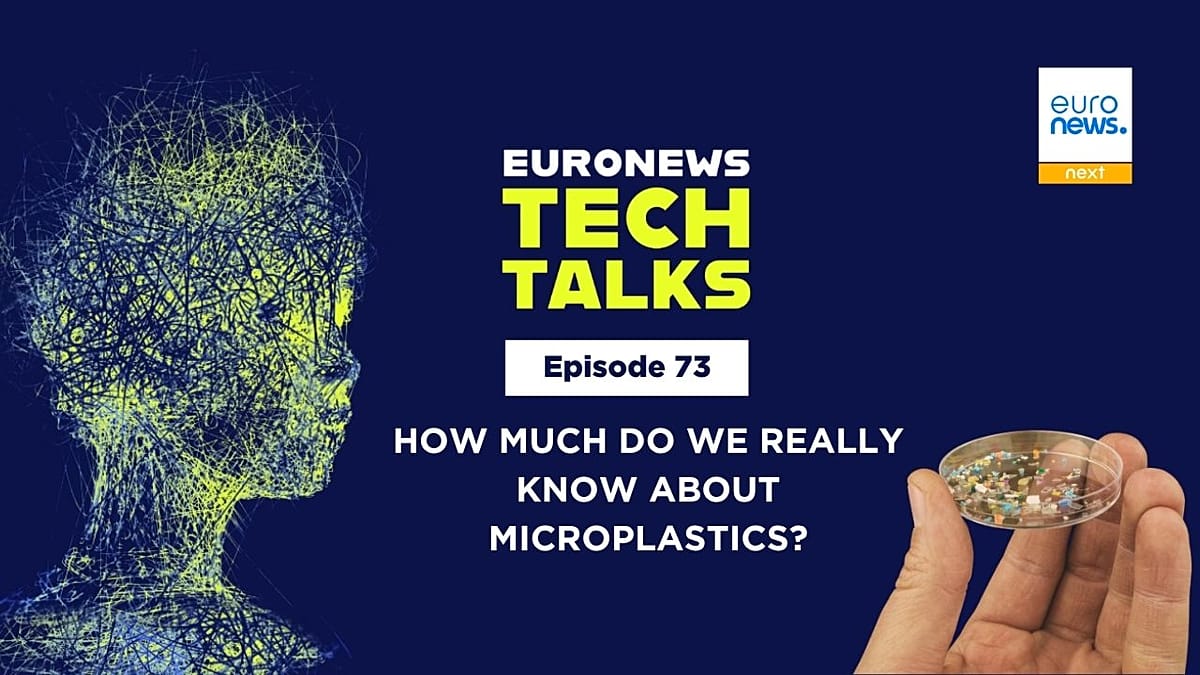
Microplastics, tiny plastic particles less than 5 millimeters in diameter, have been making headlines since their term was first coined in 2004 by ma
Microplastics, tiny plastic particles less than 5 millimeters in diameter, have been making headlines since their term was first coined in 2004 by marine biologist Richard Thompson. Fast forward 22 years, and these minuscule fragments have become a focal point for researchers and environmentalists alike, who are eager to grasp the scope of their impact on our planet and human health. But how well do we really understand microplastics? This was the burning question posed during the Euronews Tech Talks, where Heather Leslie, an independent scientist from Amsterdam, and Francesco Regoli, vice rector for research at the Polytechnic University of Marche, shared their insights.
These microplastics can be categorized into two main groups. First, we have primary microplastics, which are intentionally created for various industrial, commercial, and personal care products. Then, there’s the second group—secondary microplastics—formed when larger plastic items break down into smaller bits. But wait, there’s more! Regoli pointed out another category: microfibers from textiles. This group is especially crucial since the fast fashion industry, coupled with inadequate textile recycling processes, contributes significantly to microplastics pollution.
The environmental toll of microplastics is staggering. They pollute both our oceans and the land we rely on. When it comes to marine life, the consequences depend on the size, shape, and chemical makeup of these plastic fragments. Regoli elaborated that smaller organisms can suffer from physical damage, mechanical blockages, and even immune responses due to microplastics. Meanwhile, on dry land, these microplastics can alter critical soil properties, impacting fertility, plant health, and ultimately, crop production. Now, let’s be real, the long-term effects of microplastic pollution are still a mystery.
And what about us humans? Well, we’re not off the hook either. Leslie starkly pointed out that microplastics are likely floating around in the very room you’re in right now and even in outdoor air. However, the evidence is still murky regarding how specific exposures to microplastics will affect our health. It’s a bit scary to think about, right? On top of that, plastics can leach toxic substances like PFAS, which are known or suspected carcinogens. Animal studies have found a link between microplastics and inflammation, as well as damage to our immune systems.
Now, how do we tackle this growing issue? Leslie suggests two approaches. First, there’s the long-term solution: collective action. This means coming together, getting politically active, and pushing policymakers to take action. On the flip side, there’s a short-term personal approach—beginning to replace plastic items in your daily life. You might think that cutting down on plastic would break the bank, but Leslie argues otherwise. “You save money every time you don’t buy an expensive coffee on the go in a plastic cup,” she stated.
Regoli shared a sobering thought: “Microplastics have become a great environmental issue, and I think it will remain a similar problem for a long time.” He emphasized that plastic production continues to rise, and even if we could somehow halt it, the oceans are already overwhelmed with plastic. But here’s a glimmer of hope—Regoli encourages us to stay optimistic. “What we have learned in 10 years of intensive research is huge,” he said, reminding us that knowledge is power.
So, what does the future hold for us and our battle against microplastics? It’s clear that while we have made strides in understanding these tiny invaders, the fight is far from over.
Kaynak: Orijinal Haber