Bank of Russia Warns: Fuel Crisis and War Costs Could Spark Inflation Surge!

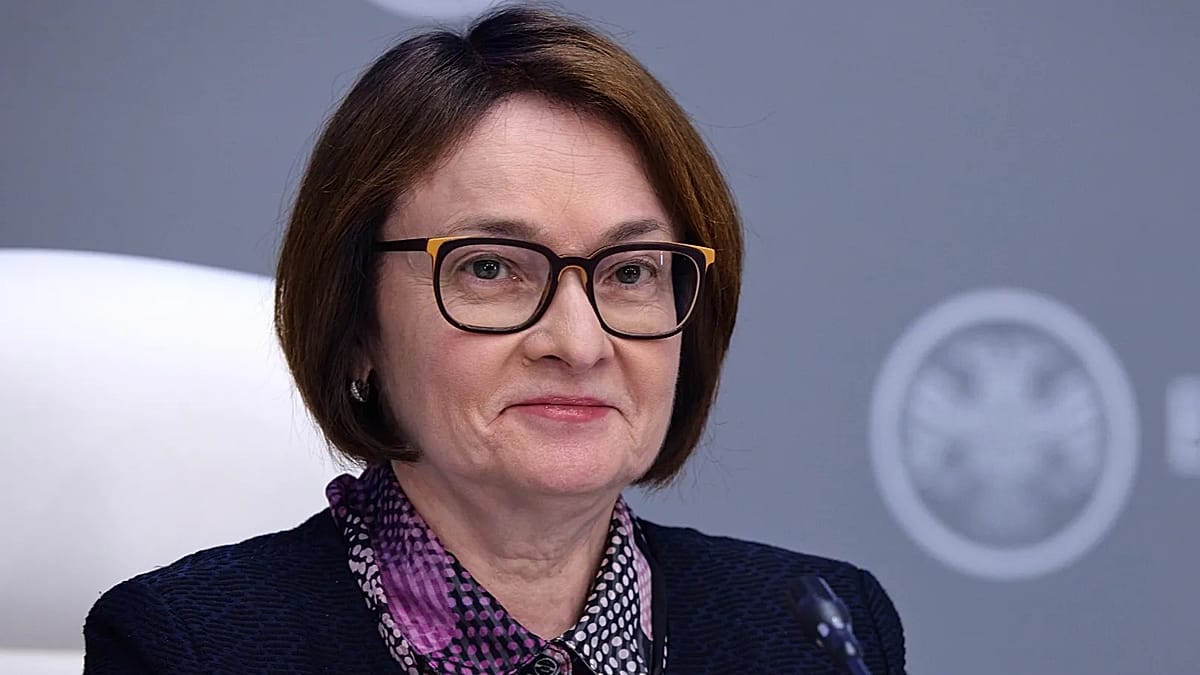
The Bank of Russia has raised alarm bells about the potential rapid inflation that could stem from the ongoing fuel crisis and rising costs associat

The Bank of Russia has raised alarm bells about the potential rapid inflation that could stem from the ongoing fuel crisis and rising costs associated with war efforts. Recent developments have brought to light the precarious situation surrounding fuel prices, which have seen a significant spike, stirring concerns among policymakers and economists alike. This crisis isn’t just about numbers; it’s about the everyday lives of citizens who depend on stable fuel prices for their daily activities.

So, what’s the deal? The central bank highlighted that the costs of war, particularly in the context of ongoing geopolitical tensions, are likely to exacerbate inflationary pressures. You know how it is when prices start rising—everyone feels it in their pockets. From the gas station to the grocery store, the ripple effects are undeniable. The bank’s report noted that these challenges could lead to a faster-than-expected rise in inflation, which could push prices up even further.

Let’s break it down. With war costs mounting, the economic landscape is shifting dramatically. Just last week, fuel prices soared by nearly 10% in some regions, leaving ordinary folks scrambling to fill their tanks. Can you imagine? People are already feeling the pinch, and now this? It’s like a double whammy. The report mentioned that if these trends continue, we might be looking at a significant impact on consumer spending as folks tighten their belts.

The central bank warned that the situation requires close monitoring. They’re not just sitting on their hands; they’re actively looking for solutions. But let’s be real—solutions take time, and meanwhile, everyday people are left holding the bag. The fear is that this inflation could spiral out of control, leading to a situation where the cost of living skyrockets, and wages don’t keep up. Yahu, that would be a disaster, right?

Moreover, the geopolitical landscape isn’t helping either. The ongoing conflicts and negotiations are essentially playing a game of tug-of-war with the economy. The Bank of Russia is urging for proactive measures to mitigate these risks, but it’s easier said than done. As the world watches, the question remains: how will the government respond to stabilize the situation? Will they implement policies that can effectively cool down the inflationary flames, or will we be left in a constant cycle of rising prices?

This is a developing story, and the implications are broad. As we keep an eye on fuel prices and war costs, one has to wonder: what will be the lasting impact on the economy and the everyday consumer? Let’s stay tuned to see how this unfolds…

Kaynak: Orijinal Haber

UK’s Public Finances in Crisis: Borrowing Hits Record Highs!

The UK government has borrowed a staggering £23.3 billion in May, according to official figures that have just been released. This represents almost

The UK government has borrowed a staggering £23.3 billion in May, according to official figures that have just been released. This represents almost a third increase compared to the same month last year. Now, that’s a hefty sum, and it’s crucial to grasp what this really means. May’s borrowing figure—the gap between what the government spends and what it collects in taxes—was £5.6 billion higher than what the Office for Budget Responsibility (OBR), the independent fiscal watchdog, had predicted. “The big picture is that the public finances are fragile,” warns Ruth Gregory, deputy chief UK economist at Capital Economics. She added that whoever is Prime Minister will face significant constraints moving forward.

In a twist, Greater Manchester’s mayor, Andy Burnham, recently snagged a seat as MP for Makerfield in a by-election. This victory might just set the stage for him to challenge the Prime Minister’s leadership. “Spending on debt interest, public services, investment, and benefits all saw increases in May 2026 compared to last May,” said ONS statistician Tom Davies. He pointed out that these rising costs outweighed the increase in tax receipts. The OBR’s forecasts, made back in March, didn’t account for the ongoing conflict in the Middle East, which has now added pressure on the economy.

The Office for National Statistics (ONS) has reported that the interest payable on government debt skyrocketed to £11.7 billion—marking the highest amount ever recorded for any May. Danni Hewson, who heads financial analysis at AJ Bell, claims that much of this borrowing spike is linked to soaring inflation. Inflation surged when the Iran conflict erupted and is expected to climb even more due to the ripple effects of rising oil prices. “We need to keep an eye on long-term borrowing costs, especially with a potential Labour leadership contest on the horizon,” Hewson added.

Burnham is not playing around; he has roped in economic heavyweights to bolster his credentials and has committed to adhering to existing fiscal rules, which include not borrowing for day-to-day expenses. Susannah Streeter, chief investment strategist at Wealth Club, noted that investors seem to anticipate a Labour leadership challenge. “For now, Burnham’s promise to reign in spending while sticking to fiscal rules is seen as a cautious approach,” she said. His commitment to slashing large welfare costs to fund increased defense spending signals that he’s trying to position himself closer to the political center—a move that might provide some reassurance in these turbulent times.

In a recent meeting, the Bank of England decided to keep interest rates steady. This decision aims to balance a sluggish job market against the widespread expectation that inflation will continue to rise in the coming months. Chief Secretary to the Treasury, Lucy Rigby, commented, “The war in the Middle East has clearly impacted economies globally. We have a solid economic plan to tackle these challenges—protecting families and businesses from escalating costs while reducing borrowing faster than any other G7 nation.”

On the flip side, Shadow Chancellor Mel Stride didn’t hold back, stating, “Borrowing is out of control.” He believes the Conservatives are the only party with a clear plan to achieve a balanced budget by controlling spending, especially regarding welfare. Meanwhile, separate official figures revealed that retail spending actually climbed by 1.2% in May, benefiting from unusually pleasant weather. Retailers reported a boost in sales of outdoor furniture and fans, thanks to these favorable conditions and ongoing promotions.

As we watch fuel and gas prices dip in recent days, it’s time to ponder how the conclusion of hostilities might play out—let’s break it down in five charts. Cash transfers remain a crucial welfare tool but they come with a hefty price tag, raising questions about their long-term effectiveness. According to the ONS, while higher petrol prices were somewhat offset by slower price hikes in meat, dairy, and vegetables, the ongoing conflict in Iran is set to push UK inflation even higher than the Bank of England’s 2% target.

Görünüşe göre, Bank of Japan da 2024’ten bu yana faiz oranlarını artırmaya başladı. İşte durumun ciddiyeti, arkadaşlar. Gelişmeleri takip ediyoruz, bakalım bizleri neler bekliyor?

Kaynak: Orijinal Haber

UK Public Finances Under Pressure: A Warning Sign for the Future

The UK has borrowed a staggering £23.3 billion in May, according to official figures. This marks nearly a one-third increase compared to the same mo

The UK has borrowed a staggering £23.3 billion in May, according to official figures. This marks nearly a one-third increase compared to the same month last year. The borrowing figure, which represents the gap between government spending and tax income, was also £5.6 billion higher than what the Office for Budget Responsibility (OBR), the independent fiscal watchdog, had forecasted. “The big picture is that the public finances are fragile,” said Ruth Gregory, deputy chief UK economist at Capital Economics. This fragility, she warns, will constrain whoever finds themselves in the Prime Minister’s seat.

In a significant political twist, Greater Manchester mayor Andy Burnham has been elected MP for Makerfield in a by-election, setting the stage for a potential leadership challenge against the Prime Minister. The latest ONS report highlights that spending on debt interest, public services, investments, and benefits all rose in May 2026 compared to the previous year, overshadowing any increase in tax receipts, as noted by ONS statistician Tom Davies.

The OBR’s forecast was made back in March, before the full impact of the ongoing war in the Middle East was fully understood. The Office for National Statistics (ONS) reported that the interest payable on government debt soared to £11.7 billion, the highest ever recorded for any May. Danni Hewson, head of financial analysis at AJ Bell, pointed out that much of this spike in borrowing costs is tied to rising inflation, which surged when the Iran conflict erupted. Hewson expects inflation to climb even higher due to subsequent increases in oil prices.

“Long-term borrowing costs have been creeping up,” she observed, indicating that this will be closely monitored, especially with a Labour leadership contest looming. Burnham is reportedly assembling a team of economic experts to bolster his credentials and has committed to adhering to existing fiscal rules, including not borrowing to fund daily operational expenses.

Susannah Streeter, chief investment strategist at Wealth Club, noted that investors seem to have taken the likelihood of a Labour leadership challenge into account. “For now, that may be because Andy Burnham has promised to be more cautious about spending by largely sticking to fiscal rules,” she explained. His commitment to reducing significant welfare costs, partly to fund increased defense spending, signals a shift towards the political center, which could be providing some much-needed reassurance.

Meanwhile, on Thursday, the Bank of England decided to hold interest rates steady, trying to balance a sluggish job market while facing widespread expectations that inflation will continue to rise in the upcoming months. Chief Secretary to the Treasury Lucy Rigby stated, “The war in the Middle East has clearly had an impact on economies around the world. We have the right economic plan to deal with these challenges — protecting families and businesses from rising costs while cutting borrowing at a faster rate than any other G7 economy.”

On the other side of the aisle, Shadow Chancellor Mel Stride criticized the current government, claiming that “borrowing is out of control,” asserting that the Conservatives are the only party with a plan to bring the budget back into balance, particularly regarding welfare spending.

In separate reports, official figures indicated that retail spending rose by 1.2% in May, buoyed by unseasonably nice weather. Retailers reported increased sales of outdoor furniture and fans thanks to favorable weather conditions and various promotions. With fuel and gas prices dipping in recent days, it raises questions about how the end of hostilities might affect consumers as we look at this situation through five different charts.

Cash transfers, a significant welfare tool, are also raising eyebrows due to their high costs, leading many to wonder about their long-term effectiveness. According to the ONS, while higher petrol prices have been offset by slower price increases for meat, dairy, and vegetables, the ongoing conflict in Iran is predicted to push UK inflation even further above the Bank of England’s target of 2%.

What’s next for the UK’s public finances? With all these dynamics at play, we’ll have to keep an eye on how the political landscape shifts and what economic strategies will emerge as we move forward…

Kaynak: Orijinal Haber

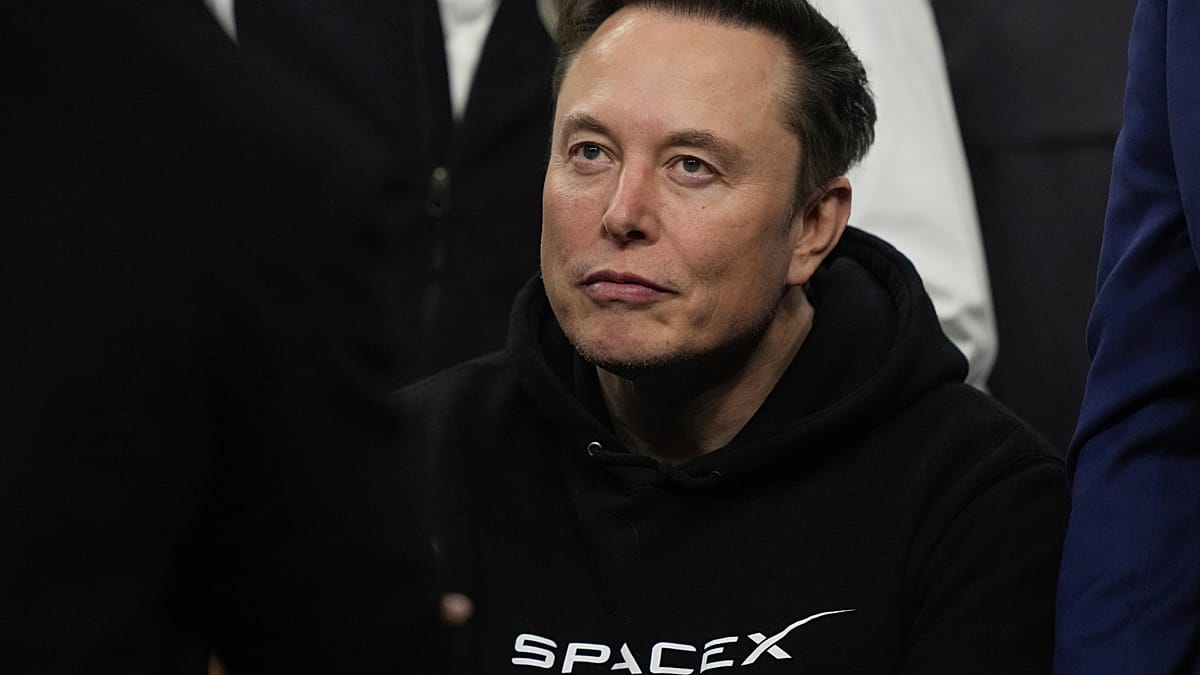
Inside Elon Musk’s Business Empire: How the World’s Richest Man Built His Fortune

Elon Musk, the world’s richest person, has established a business empire that stretches across a wide array of industries. From electric vehicles to

Elon Musk, the world’s richest person, has established a business empire that stretches across a wide array of industries. From electric vehicles to rocket making, brain implants to social media platforms, Musk’s ventures are nothing short of revolutionary. Recently, his latest company began trading on Wall Street, further solidifying his status as a tech mogul. But how did Musk amass such wealth? It wasn’t through cashing out; instead, he retained significant ownership stakes in both SpaceX and Tesla, watching their valuations soar over the years.

Let’s take a trip down memory lane. Musk’s entrepreneurial journey kicked off in 1995 with Zip2, a company he co-founded with his brother, Kimbal Musk. This online publishing and business directory helped local newspapers get their listings online. Musk himself wrote much of the software for Zip2, which was sold for over $300 million in 1999, netting him around $22 million. This cash was then used to launch X.com, an online banking startup, which eventually became part of PayPal, sold to eBay in 2002 for a whopping $1.5 billion, bringing Musk about $176 million.

Fast forward to 2002, Musk founded SpaceX, pouring roughly $100 million of his own money into the venture. Back then, he thought the odds of success were less than one in ten. It was a bold move, considering the industry was dominated by government agencies and established aerospace giants. Musk even warned friends and investors that failure was the most likely outcome. Yet, twenty years later, SpaceX has transformed into a leading player in space technology, owning satellite internet provider Starlink, which raked in $4.4 billion last year alone.

Musk isn’t just the head of SpaceX; he also took the reins at Tesla in 2008 after investing about $80 million in the electric car company. Under his watch, Tesla has evolved from a niche manufacturer to one of the largest electric vehicle producers globally. Despite the ups and downs—especially his controversial comments regarding China—Tesla’s sales have bounced back. Musk has also ventured into tunneling with his company, The Boring Company, which is best known for its Vegas Loop, a network of tunnels beneath Las Vegas that transports passengers in Tesla vehicles. The first section opened in 2021, and the company claims its tunneling tech could alleviate traffic congestion in major cities.

However, it’s not all smooth sailing. Critics have raised eyebrows over environmental and safety concerns tied to some of Musk’s projects, and parts of the Las Vegas network are still under construction. The ambitious goals of these projects, including plans for orbital data centers and the colonization of Mars, have also faced skepticism. But Musk, ever the optimist, continues to push the envelope.

So, what’s next for this real-life Tony Stark? As Musk propels forward, the world watches closely, waiting to see if his grand visions will come to fruition. The stakes are high, and the journey is just beginning…

Kaynak: Orijinal Haber

Ryanair CEO Michael O’Leary Signs New £130 Million Contract Extension

Ryanair boss Michael O’Leary has officially signed a contract extension that will see him at the helm of the airline until 2032, potentially netting

Ryanair boss Michael O’Leary has officially signed a contract extension that will see him at the helm of the airline until 2032, potentially netting him a staggering €150 million (£130 million) if he meets certain performance targets. O’Leary, who has been with the company since 1994, has transformed Ryanair from a modest regional airline into Europe’s largest low-cost carrier. Under the new deal, if Ryanair’s annual profits hit €4 billion or if the share price stays above €42 for 28 consecutive days, O’Leary can buy 10 million shares at €26.70 each.

Now, that’s some serious money, right? Ryanair made it clear that achieving these ambitious goals would not only benefit O’Leary but also create substantial value for all shareholders. Stan McCarthy, Ryanair’s group chairman, mentioned that discussions around this contract had begun in the spring, highlighting extensive engagements with Ryanair’s largest shareholders. “I am pleased to report that this process… has successfully concluded with Michael agreeing to extend his leadership of the Ryanair Group for the next six years to April 2032,” he said.

Just last year, O’Leary was on track to collect bonuses exceeding €100 million based on Ryanair’s stock performance, particularly after shares closed above €21 (£17.65) for a consecutive 28 days. It’s clear that O’Leary’s leadership has had a significant impact on the company’s success, but with the ongoing discussions about the future of air travel and fuel costs rising due to geopolitical conflicts, the aviation industry remains under pressure.

Locals in Sydney were even asked if they would take the newly announced longest commercial flight from Sydney to London. It seems like the aviation world is changing, and O’Leary’s new contract puts him in a prime position to navigate these turbulent skies. Just imagine — if fuel prices continue to soar, how will Ryanair and O’Leary adapt to ensure profitability?

And while we’re on the topic of air travel, a consultation is underway regarding the expansion of Heathrow, outlining conditions that will need to be met for the project to proceed. As the aviation landscape shifts, one thing is for sure: O’Leary’s new contract is set to keep him in the spotlight for years to come.

Kaynak: Orijinal Haber

Ryanair CEO O’Leary’s New Contract Could Earn Him Over £130 Million!

Ryanair boss Michael O’Leary has officially extended his contract until 2032, and this deal is not just a simple paperwork shuffle – it comes with

Ryanair boss Michael O’Leary has officially extended his contract until 2032, and this deal is not just a simple paperwork shuffle – it comes with a bonus scheme that has the potential to fatten his wallet by over €150 million (around £130 million). Now, since taking the helm in 1994, O’Leary has transformed Ryanair from a small regional airline into the heavyweight champion of Europe’s low-cost carriers. Quite the journey, huh?

Here’s the kicker: If O’Leary sticks around with the Ryanair group until April 2032, he’ll get the option to snag 10 million shares at €26.70 each. But hold on, it’s not that easy. He’ll only get that golden ticket if the annual profit hits €4 billion or if the share price stays above €42 for 28 days straight. Ryanair made a statement saying, “Achievement of these very ambitious targets would create substantial additional value for all Ryanair shareholders.” Sounds like a tall order, right?

Ryanair group chairman Stan McCarthy chimed in, revealing that discussions about O’Leary’s contract kicked off back in the spring. “I am pleased to report that this process, which included extensive engagement with Ryanair’s largest shareholders, has successfully concluded with Michael agreeing to extend his leadership of the Ryanair Group for the next six years to April 2032, for the benefit of all shareholders,” he added. You can feel the confidence, can’t you?

Last year, whispers in the financial corridors suggested that O’Leary was well on track to pocket bonuses exceeding €100 million. That’s right – after shares of the budget airline closed above €21 (£17.65) for 28 consecutive days back in May 2025, he met a key performance target. Talk about hitting the jackpot!

Meanwhile, the BBC decided to check in with Sydney locals about taking the newly announced, longest commercial flight from Sydney to London. People were buzzing with opinions, especially with the rising fuel costs due to the ongoing conflict that began on February 28. The war has been throwing a wrench into energy production and transportation across the Middle East, and it’s impacting everyone.

David Smith and Fraser MacIntyre made their way across the Atlantic with stops in Iceland, Greenland, and northern Canada. Talk about a long journey! Takeley resident Miriam Turton even joked that locals would “paint the lines down themselves” if it were legal. Meanwhile, a consultation on the Heathrow expansion is underway, laying out conditions for the project to proceed.

So, what’s next for O’Leary and Ryanair? Will they hit those ambitious targets? The air is thick with anticipation…

Kaynak: Orijinal Haber

Extreme Heat in Europe: Which Countries Will Pay the Price?

Europe is currently grappling with an extreme heatwave that is wreaking havoc across the continent. Countries like Spain, Italy, and Greece are facin

Europe is currently grappling with an extreme heatwave that is wreaking havoc across the continent. Countries like Spain, Italy, and Greece are facing soaring temperatures that are pushing past 40 degrees Celsius, leaving citizens scrambling for relief. The heat is not just a discomfort; it’s costing nations dearly. With energy demands skyrocketing and healthcare systems under pressure, the economic toll is already being felt.

In Spain, for instance, the mercury hit an alarming 43 degrees Celsius in some regions. Locals are struggling to cope, with many opting to stay indoors during the hottest parts of the day. It’s a familiar scene for many, but this year feels different. The heatwave has prompted authorities to issue multiple warnings, advising people to stay hydrated and avoid outdoor activities. The government is mobilizing resources, but the question remains—how long can this last?

Italy isn’t faring any better. The historic city of Florence has seen tourists and residents alike affected by the oppressive heat. Restaurants are adjusting their hours, and outdoor markets are less bustling as people look for shade. “It’s unbearable,” says a local vendor. “I’ve never seen it this hot in my life.” The high temperatures are not just a nuisance; they’re impacting local businesses that rely on foot traffic.

Greece, known for its sun-soaked islands and vibrant outdoor culture, is facing a double whammy. The extreme heat is not only driving up energy costs but also increasing the risk of wildfires. Residents are on high alert, and firefighters are battling several blazes. The government has declared a state of emergency in certain areas, as the flames threaten homes and livelihoods. The impact of climate change is becoming increasingly evident, and many are left wondering what the future holds.

As the heatwave continues, experts predict that economic costs may escalate. Energy companies are bracing for higher demands, and healthcare facilities are preparing for an influx of heat-related illnesses. Cities are implementing cooling centers and extending hours for public amenities to accommodate those in need. But with heatwaves becoming a regular occurrence, how sustainable are these measures?

Residents are also feeling the weight of this crisis. “It’s not just about the heat; it’s about how we adapt,” one local resident mentioned. “We need long-term solutions, not just temporary fixes.” The discussions around climate resilience are gaining momentum, but action is still lagging behind the urgency of these events.

In summary, the extreme heat engulfing Europe is more than just a weather phenomenon; it’s a wake-up call for many nations. The costs—both financial and human—are mounting, and as temperatures rise, so too do the stakes. What will be done to address this growing crisis? Only time will tell…

Kaynak: Orijinal Haber

Major Reforms to Eliminate Gazumping in UK Housing Market

Home buyers and sellers in the UK can finally breathe a sigh of relief as plans to end the notorious practice of “gazumping” are set in motion, aimin

Home buyers and sellers in the UK can finally breathe a sigh of relief as plans to end the notorious practice of “gazumping” are set in motion, aiming for a significant overhaul to speed up housing sales. The government has announced that legally binding sales agreements will be introduced much earlier in the selling process. This change is designed to prevent buyers or sellers from backing out of deals late in the game without a solid reason. Currently, in England and Wales, buyers face the frustrating reality of being outbid at the last minute or seeing their chains collapse months into the process, which can be not only maddening but also costly.

Previous attempts to reform the housing market have only met with limited success, and most of the latest proposed changes will not take effect immediately. The reforms, initially unveiled last October, are slated for implementation by the end of this Parliament in 2029. Among the key changes, home buyers will receive more comprehensive information about properties listed for sale. Sellers and estate agents must provide crucial details regarding the property’s condition and its status in the selling chain through what are called sales packs. The government estimates that these changes could save buyers around £650 on average.

Housing Secretary Steve Reed has stated that these reforms aim to create a system that is “faster, fairer, and more secure.” Interestingly, this proposal echoes the Home Information Packs introduced by a Labour government two decades ago, which were swiftly abandoned by the coalition government. The housing sector has largely welcomed the plans, although some have voiced concerns about potential unintended consequences, such as delays in getting properties to market while the necessary paperwork is being prepared.

Prime Minister Sir Keir Starmer has highlighted that the existing home buying system leaves many “people in limbo” and pushes the dream of home ownership out of reach for some. He believes that the reforms will modernize this outdated process, ultimately saving people both time and money, and providing them with the certainty they deserve.

At the moment, a buyer and seller can agree to a sale, only for the seller to withdraw weeks or even months later because a higher offer has come in. For those gazumped buyers, there’s currently no legal recourse. In contrast, other countries have penalties in place for parties that pull out of a sale once both sides have reached an agreement. For instance, in Scotland, once an offer is formally accepted, it becomes legally binding, and sellers are obligated to provide home surveys for potential buyers. If either party withdraws after solicitors have exchanged letters, known as missives, they are liable for financial losses incurred by the other party.

Under the proposed government changes, binding conditional contracts would establish legal obligations much earlier in the process, potentially as soon as an offer is accepted. If a party breaks that agreement without a valid reason or fails to fulfill their obligations, they could face financial penalties. However, the government has clarified that binding contracts won’t take effect until sales packs are active, ensuring buyers are equipped with essential information about the property before making a commitment.

Mark Evans, President of the Law Society of England and Wales, stressed the importance of providing buyers with “consistent high standards of upfront information” before binding contracts can be introduced. He emphasized that consistent regulation across all aspects of the property process, including estate agents, is vital to build consumer trust and confidence.

Henry Jordan, Nationwide’s group director of mortgages, welcomed the proposed changes, noting that the home purchasing process is often “slow, complex, and stressful.” He pointed out that speeding up home buying isn’t merely about convenience; it’s about helping more people finalize their purchases with less frustration and fewer surprises along the way.

According to property listing portal Rightmove, it currently takes an average of nearly six months (170 days) to complete a property sale across the UK. Rightmove’s CEO, Johan Svanstrom, remarked that their data indicates more than one in five sales will initially fall through. “This is a promising step towards a faster and more efficient property market, addressing some of the biggest frustrations that home-movers and industry participants face,” he stated.

Lesley Horton, the UK’s Chief Property Ombudsman, added that if these reforms are implemented carefully, supported by clear guidance and appropriate training, they can create a home buying and selling system that is faster, fairer, and better suited to meet consumer needs in the years to come.

As the UK navigates through economic challenges, including borrowing £23.3 billion in May and rising inflation influenced by global factors, these proposed changes could be just what the market needs. Will they truly bring the transformation needed to the chaotic housing landscape? The clock is ticking, and all eyes will be on the government as they move forward with these much-anticipated reforms…

Kaynak: Orijinal Haber

Major Reforms Aimed at Ending Gazumping in UK Housing Market

Home buyers and sellers are gearing up for a significant change in the UK housing market as plans to eliminate the frustrating practice of “gazumping

Home buyers and sellers are gearing up for a significant change in the UK housing market as plans to eliminate the frustrating practice of “gazumping” are set to roll out. This shake-up, designed to speed up housing sales, will introduce legally binding sales agreements earlier in the process, aiming to prevent buyers or sellers from pulling out without a valid reason. Currently, in England and Wales, it’s not uncommon for buyers to be outbid at a late stage of the sale, leading to massive frustration and unexpected costs.

You know, it’s like you finally find your dream home, and just when you think you’re in the clear, bam! Someone swoops in with a higher offer and you’re left high and dry. This has been a common scenario, and it’s about time something was done about it. Previous efforts to reform the system have been half-hearted at best, but this time, the planned changes are expected to be implemented by the end of Parliament in 2029.

What’s on the table? For starters, home buyers will receive more detailed information about the properties they are considering. Sellers and estate agents will have to provide essential details about the property’s condition and its status in a chain through what they’re calling sales packs. Can you believe it? The government estimates that these reforms could save buyers around £650 on average. Housing Secretary Steve Reed claims these changes will make the system “faster, fairer, and more secure.”

But wait, there’s more! This initiative reminds some of the Home Information Packs that were introduced two decades ago but quickly scrapped by the coalition government. Now, while the housing sector is generally on board with these reforms, there are some eyebrows raised about potential hiccups, like properties taking longer to hit the market due to all this new paperwork.

Prime Minister Sir Keir Starmer weighed in, saying that the current home buying system leaves “people in limbo.” He’s got a point—many feel that home ownership is slipping out of reach because of all the uncertainty. “We’re turning the page,” he said, emphasizing that these reforms are designed to modernize an outdated process, saving people both time and money and giving them the certainty they deserve.

Right now, buyers and sellers can agree on a sale, but the seller can still back out weeks or even months later if a better offer comes along. For those poor gazumped buyers? They’ve got no legal recourse. In contrast, other countries have penalties for pulling out once a deal is agreed upon. For instance, in Scotland, accepted offers are already legally binding. Once the solicitors exchange letters, known as missives, backing out could mean facing financial losses.

Under the new proposals, binding conditional contracts would make a sale legally binding much earlier, possibly right after an offer is accepted. If either party breaks the agreement without a valid reason or fails to meet their obligations, they could face financial penalties. However, don’t worry just yet—these binding contracts won’t kick in until the sales packs are up and running, so buyers will have all the essential info before making a commitment.

Henry Jordan from Nationwide, who’s seen his fair share of home buying headaches, said that the current process is often “slow, complex, and stressful.” He welcomes the changes, stressing that speeding things up isn’t just about convenience—it’s about helping more people finalize their purchases with less hassle.

Did you know that, on average, it takes almost six months—170 days, to be exact—to complete a property sale in the UK? That’s a long time in anyone’s book! Johan Svanstrom, the CEO of Rightmove, pointed out that more than one in five sales initially fall through. “This is an encouraging step towards a faster and more efficient property market,” he noted, adding that increasing transparency could significantly reduce those frustrating fall-throughs.

Lesley Horton, the UK’s Chief Property Ombudsman, expressed optimism too, saying that if these reforms are implemented carefully, they could create a home buying and selling system that meets consumer needs more effectively in the future.

Now, shifting gears a little, the UK borrowed £23.3 billion back in May, which is up nearly a third compared to the same month last year. And with the ongoing war in Iran expected to push UK inflation even higher, the impact on mortgage rates and loans is likely to be felt across the board.

So, with all these changes on the horizon, one has to wonder—will the new system really make a difference, or will it be just another set of rules that complicate things further for buyers and sellers alike?

Kaynak: Orijinal Haber

Brexit’in Ekonomik Yükü: İngiltere Ekonomisini %6 Daralttı!

The UK economy has taken a 6% hit from the effects of Brexit, according to economists’ analysis of internal Bank of England data about the decisions

The UK economy has taken a 6% hit from the effects of Brexit, according to economists’ analysis of internal Bank of England data about the decisions, views and financial results of thousands of British companies since the referendum a decade ago. This figure is not just a number; it reflects a significant economic blow that’s been felt across the nation. The analysis dives deep into Bank of England data, aiming to reconstruct how the UK might have fared if it had opted to remain in the EU. Yani, ne demek istiyoruz? Brexit olmasaydı, İngiltere’nin büyümesi çok daha farklı olabilirdi.

About half of this economic hit stemmed from the shock and uncertainty that followed the referendum. Yani, o gün yapılan oylama sonrasında yaşanan belirsizlik, ekonomiyi derinden etkiledi. Diğer yarısı ise 2021’de gümrük birliği ve tek pazarın dışına çıkmamızla birlikte artan ticaret engellerinden kaynaklandı. Ama bakın, bazı eleştirmenler bu çalışmanın, ABD’nin yatırım ve teknoloji sektörlerinin performansını ya da dört yıl önceki Avrupa enerji şokunu tam olarak hesaba katmadığını savunuyor.

Stanford Üniversitesi’nden Britanyalı Profesör Nick Bloom, çalışmanın ortak yazarlarından biri olarak, Brexit öncesinde İngiltere’nin hızlı bir büyüme içerisinde olduğunu ve bu kaos olmasaydı ABD ile kısmen de olsa bu büyümeyi sürdürebileceğini ifade ediyor. Yani, Brexit’e dair bu veriler aslında önemli bir destek sunuyor. Bloom’un makalesi, “Brexit durumunda Birleşik Krallık üzerinde önemli bir ekonomik etki oldu, ancak bu etki on yıl boyunca yavaş bir şekilde ortaya çıktı” diyor.

Son aylarda Banka’nın üst düzey yetkilileri, Brexit’in ekonomik sonuçlarını daha açık bir şekilde açıklamaya başladılar. Banka’nın başkanı Andrew Bailey, gazetecilere yaptığı açıklamalarda, “Ekonomideki faaliyet düzeyinin ve büyümenin daha düşük olduğunu düşünüyorum. Eğer ticaret yaptığımız pazarların boyutunu azaltırsak, ihracat pazarlarımızı daraltmış oluruz ki bu da büyüme üzerinde olumsuz bir etki yaratır” dedi. Ancak Bailey, finansal hizmetler üzerindeki etkinin “kötü” olduğunu kabul etse de, bunun “o zamanlar birçok kişinin öngördüğünden çok daha az zararlı” olduğunu belirtti.

Yine de bazı politika ekonomistleri, Brexit olmasaydı İngiltere’nin ne kadar büyüyeceğini modellemenin zor olduğunu ve bu tür çalışmaların Brexit’in etkisini abarttığını savunuyorlar. Çalışmanın son versiyonu, referandumun 10. yıl dönümünden hemen önce yayımlandı ve beş geleneksel analiz yöntemiyle birlikte şirket verilerini kullandı. Şirket düzeyindeki veriler, on yıl içinde %6’lık bir daralmanın olduğunu gösterirken, daha geniş çalışmalar ortalama %8’lik bir daralma öneriyor.

Bu çalışma, Bank of England ekonomistleri ile birlikte Bloom tarafından ortaklaşa yazıldı. Ancak, makalenin resmi bir açıklaması var; “ifade edilen görüşler Bank of England’ın görüşlerini mutlaka yansıtmaz.” Bankanın Brexit’in ekonomik etkilerine dair içgörü sağlamak amacıyla 2016 yılında kurduğu Decision Maker Panel verileri, bu çalışmada ilk kez böyle bir şekilde kullanıldı.

Başbakan Keir Starmer, Temmuz ayında AB muhataplarıyla bir zirve yaparak gıda ve tarım ihracatları ile elektrik ve emisyon ticareti üzerine anlaşmalar yapacağını duyurdu. Yani, işin aslı, bu konular etrafında daha fazla iş birliği ve uyum alanlarının da tartışılması bekleniyor. Bakın, BBC siyasi partilere yorum için ulaştı. Ama bu, sadece bir başlangıç.

Görünen o ki, şirketler yeni personel alma konusunda daha temkinli hale geliyorlar. İran’daki savaşın, İngiltere enflasyonunu Banka’nın %2 hedefinin üzerine itmesi bekleniyor. Orta Doğu’daki çatışma, benzin, hanehalkı enerji faturaları ve hatta gıda maliyetleri üzerinde baskı kurdu. Peki, bu durumu nasıl yöneteceğiz? İşte bakacağız…

Kaynak: Orijinal Haber