Europe Must Cut Red Tape to Attract Global Investment!

Europe currently has a unique opportunity to attract investment and bolster its strategic autonomy, but it’s gonna need to cut through the regulato

Europe currently has a unique opportunity to attract investment and bolster its strategic autonomy, but it’s gonna need to cut through the regulatory red tape and speed up reforms to keep up with the likes of the United States and Asia. This was one of the key takeaways from the FII Institute Future Investment Initiative summit held in Rome, a gathering that brought together political leaders, business moguls, and investors from all corners of the globe. While the G7 focused heavily on geopolitics, Rome shone a spotlight on the economy, urging Europe to regain its economic momentum.

As leaders of major Western democracies hashed out issues of security, trade, and international conflicts, the FII Priority Europe summit was all about figuring out how Europe can attract the capital it desperately needs for its industrial and technological transformation. Richard Attias, the chairman of the executive committee of the FII Institute, sent a clear message to policymakers in Europe: the continent has the talent, innovation, and industrial capacity to spearhead the next phase of global growth, but it must create a more investment-friendly environment to do so.

“Europe remains one of the most attractive markets in the world,” Attias stated emphatically, “but investors are looking for clarity, predictability, and speed in decision-making.” He pushed for greater regulatory flexibility and a simplification of administrative procedures to allow capital to flow more easily into crucial sectors like artificial intelligence, digital infrastructure, clean energy, and advanced manufacturing.

Attias didn’t hold back in warning that as the competition for global investment heats up, Europe isn’t just competing with the United States anymore; it’s up against emerging economies that are fast-tracking reforms to lure in companies and major industrial projects. The real challenge, according to him, isn’t about ditching European standards but rather finding a balance between regulation, innovation, and economic growth. “The world is moving at high speed, and so is capital,” he stressed. “Europe has an extraordinary opportunity to lead the next economic transformation, but it must ensure that the conditions for investing are as competitive as in other regions.”

He placed this urgent call within the larger discussion of European strategic autonomy, emphasizing that Europe’s ability to finance its energy transition, develop local technologies, and strengthen its supply chains will heavily rely on its capacity to mobilize both public and private capital on a massive scale. Yasir O. Al Rumayyan, head of Saudi Arabia’s Public Investment Fund (PIF) and chairman of Aramco, echoed this sentiment, highlighting that Europe is at a pivotal moment in defining its role in the new global economy. He underscored the necessity of creating favorable conditions to channel investment into long-term projects.

“Europe has enormous opportunities in areas such as the energy transition, technological innovation, and strategic infrastructure,” Al Rumayyan asserted, and his words carry a ton of weight. The PIF manages assets worth around 1.15 trillion dollars, making it one of the largest funds globally, while Aramco, the world’s biggest oil company, reported profits of 93.5 billion dollars last year.

The choice of Rome as the venue wasn’t random either; for the organizers, the Italian capital represents Europe’s ability to blend its rich historical legacy with a reform agenda focused on the future, a message that resonated throughout the summit. There’s still a massive appeal for global capital in Europe, but the continent must pick up the pace on reforms and adapt its regulatory framework if it hopes to turn this potential into real, sustained economic growth.

Kaynak: Orijinal Haber

Bank of England Holds Interest Rates Steady Amid Energy Price Concerns

Policymakers at the Bank of England have decided to keep interest rates unchanged at 3.75%, marking the fourth consecutive meeting where the Monetary

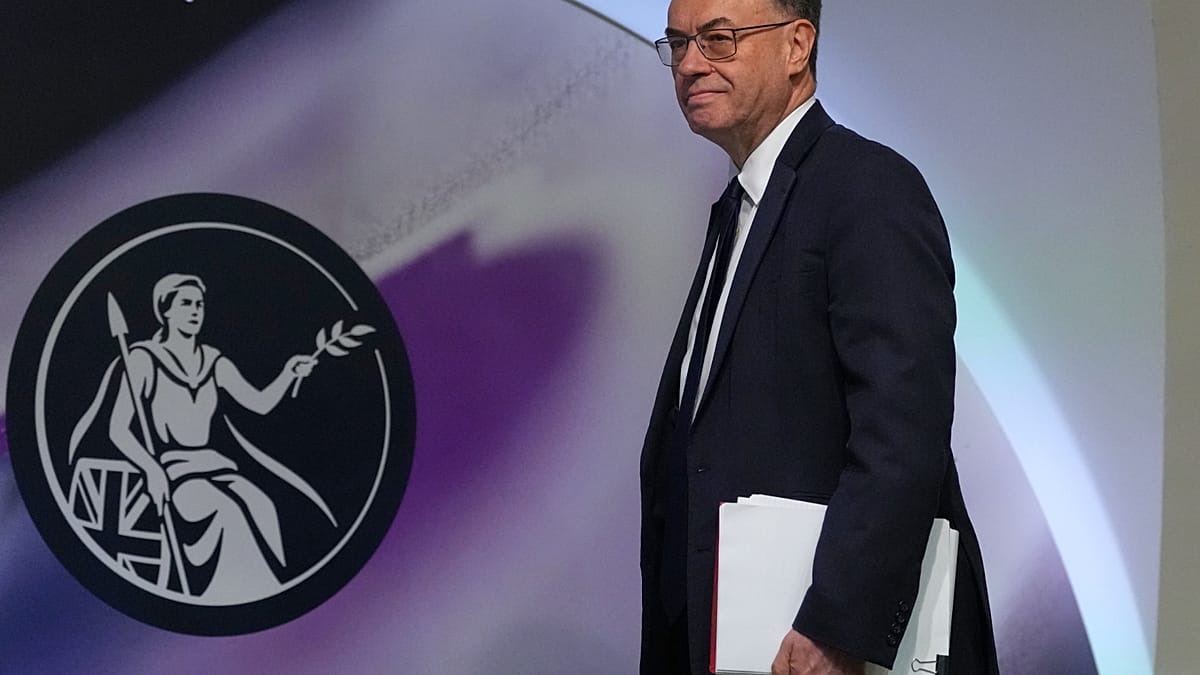
Policymakers at the Bank of England have decided to keep interest rates unchanged at 3.75%, marking the fourth consecutive meeting where the Monetary Policy Committee (MPC) has opted for stability. This decision comes as uncertainty looms over the impact of soaring energy prices, which have been exacerbated by ongoing conflicts. Bank governor Andrew Bailey noted that while recent drops in oil prices are “encouraging,” the high energy prices experienced during the war have created “inflationary pressure in the pipeline.”

The base interest rate is a crucial tool for controlling inflation, affecting both borrowing costs and the interest earned by savers. The MPC’s cautious stance reflects ongoing volatility in oil prices, which remain elevated compared to pre-conflict levels. Bailey remarked, “Oil prices have fallen in recent days, and that’s encouraging,” but cautioned that the previous four months of high energy costs have already set the stage for inflationary pressures.

Interestingly, inflation expectations for the end of the year have been adjusted downwards since April, suggesting a potential easing of pressures. However, the committee emphasized that the future of interest rate policy hinges on the “scale and duration” of the energy price shock, alongside its trickle-down effects on the economy, including prices and wage demands.

At the April meeting, the committee voted 8-1 to hold rates, with chief economist Huw Pill the only member advocating for a rate hike. This time, the vote was closer at 7-2, with Megan Greene joining Pill in calling for an increase to 4%. Greene raised concerns regarding how higher energy prices would impact households and businesses. As the MPC convened just before the signing of a peace deal between the US and Iran, they are expected to meet again at the end of July, when the effects of this agreement should be clearer.

Bailey expressed optimism about developments in the Middle East, stating, “Energy prices have come down quite a lot, but they’re still above where they were before this conflict started.” Despite the positive news, the inflation rate remains higher than anticipated. The peace deal signed on Wednesday has the potential to reopen the Strait of Hormuz, a vital waterway for oil transport. If oil begins to flow freely again, inflation concerns may diminish further.

However, the UK is still bracing for rising prices, largely due to the delayed impact of increased wholesale energy costs on domestic gas and electricity rates. Ofgem’s price cap is set to rise by 13% in July, placing additional strain on households. The MPC has lowered its overall inflation expectations for the remainder of the year, predicting a rate of 3.25% in the last quarter, which, while below earlier projections, still exceeds the 2% target.

Recent statistics revealed that inflation held steady at 2.8% in the year leading to May, with food price increases slowing to a 17-month low. Transport costs have surged at the fastest rate, while price increases for meat, dairy, and vegetables have eased. Meanwhile, data from the Office for National Statistics (ONS) indicated a growing caution among firms regarding hiring, with job vacancies at a five-year low.

In contrast, last week the European Central Bank raised its interest rate for the first time in nearly three years, citing inflation pressures stemming from the conflict. The Federal Reserve in the US also maintained its rates amid mixed opinions among its governors on whether to raise them.

Some analysts predict no further hikes in the Bank of England’s benchmark rate this year, although the landscape remains unpredictable. The base rate influences the cost banks charge customers for mortgages and the interest paid on savings. Currently, the average rate for a new two-year fixed mortgage stands at 5.59%, a rise from 4.83% at the beginning of March when the Iran war escalated. For five-year deals, the average rate is now 5.57%, up from 4.95% over the same period.

Local initiatives are underway to support families facing rising costs, including the council’s Boost project partnering with Citizens Advice. Additionally, there are calls to reduce fuel duties, with some localities indicating significant first-time food bank usage among residents.

What will happen next amidst these fluctuating conditions? The situation remains fluid, and all eyes will be on the next MPC meeting as the economic landscape continues to shift.

Kaynak: Orijinal Haber

Travel Advisory Lifted: Dubai Awaits Tourists Again!

The Foreign Office has officially lifted its advice against traveling to Dubai, opening the gates for British citizens eager to visit this popular ho

The Foreign Office has officially lifted its advice against traveling to Dubai, opening the gates for British citizens eager to visit this popular holiday hotspot. This decision follows a recent agreement between the US and Iran to halt hostilities, making it a significant moment for travelers. However, the Foreign Office has cautioned that “the situation remains unpredictable” in the region, which means potential travelers should still keep an eye on developments.

Despite the peace agreement, the UAE’s foreign travel advice page warns that “attacks could resume at short notice.” It’s a stark reminder that while conditions may have improved, caution is still paramount. Thousands of British nationals were left stranded in the Middle East when the conflict escalated, and many airlines suspended flights to key destinations in the area.

Last year, over 1.4 million Brits flocked to Dubai, making it a major destination for both holidays and business. The lifting of the “do not travel” warning means that travelers can now embark on their journeys without risking the invalidation of their travel insurance. But here’s the catch: some airlines are taking their time to resume services. For instance, Virgin Atlantic has put a freeze on flights until winter 2027, and British Airways has announced it won’t resume operations to the UAE until October 2026. Emirates, the state-owned airline, has been the exception, continuing flights even during the conflict.

Mark Tanzer, the chief executive of Abta, a travel agents’ organization, is optimistic about the impact this news could have on tourism. “This is the most important development for tourism to and through the Middle East in some time,” he remarked. He emphasized that many people had been holding off on booking their summer holidays until they saw how the conflict unfolded. This change in travel advice could boost confidence in the market, especially as there are competitively priced holidays available for those still looking to book.

The Foreign Office also stated, “The US and Iran have announced a memorandum of understanding in relation to the conflict in the Middle East.” They reiterated that while there is a ceasefire, the unpredictability of the situation remains. Before the ceasefire on April 8, the Iranian regime had expressed intentions to target locations in the Gulf connected to the US and Israel, which included various organizations and facilities.

The government has also relaxed its warnings for travel to Qatar and most parts of Saudi Arabia. It’s a delicate balance, as the human cost from the conflict is palpable. Yet, the Iranian regime appears to have not only survived but has gained strength through these negotiations. The deal comprises 14 points, including commitments to further discussions on a final agreement within the next 60 days. The fate of Iran’s nuclear program—a critical element that initially sparked tensions—is still up for negotiation.

For many Iranians, the real question now is not about whether this deal signifies victory, but whether it will lead to lower prices and a decrease in the fear of another war. So, as we look towards the future of travel to Dubai and the broader region, one can’t help but wonder: will this newfound peace hold, or will tensions flare up again?

Kaynak: Orijinal Haber

Bank of England Keeps Interest Rate Steady Amid Mixed Economic Signals

The Bank of England has decided to leave its benchmark interest rate unchanged at 3.75% as of Thursday, marking a continuation of the pause that bega

The Bank of England has decided to leave its benchmark interest rate unchanged at 3.75% as of Thursday, marking a continuation of the pause that began back in December 2025. This decision comes at a crucial time when policymakers are carefully weighing the inflationary impacts of ongoing tensions from the Iran war against emerging signs of resilience in other sectors of the UK economy. Governor Andrew Bailey, along with members of the Monetary Policy Committee, had been widely anticipated to maintain this holding pattern while adopting a broadly neutral stance regarding future policy adjustments.

This decision follows the latest official figures indicating that UK inflation has held steady. As per the reports, consumer prices have risen by 2.8% year-on-year in May, a figure that remains unchanged from April and notably below the expectations set by many economists. It’s also worth mentioning that while oil prices have seen a decline from their recent peaks, they are still above levels recorded last year, which adds another layer to the economic narrative.

Now, let’s talk about the labor market, because it’s painting a rather mixed picture. The unemployment rate unexpectedly dipped to 4.9% in the three months leading up to April, down from 5.0% in the first quarter. However, it’s important to note that the number of payrolled employees actually fell during this time, hinting at a potential underlying loss of momentum in the job market, even as the overall jobless rate showed improvement. Wage growth, a key metric that the Bank of England keeps a close eye on for signals of persistent price pressure, has remained strong, with regular pay—excluding bonuses—rising by 3.4% over the year.

Richard Carter, who heads fixed interest research at Quilter Cheviot, pointed out the delicate situation the committee finds itself in. Likewise, Sanjay Raja, the chief UK economist at Deutsche Bank, shared similar sentiments, cautioning that while mixed data gives the committee more breathing room to observe how the economy unfolds, the persistent strength of wage growth keeps the risk of second-round effects alive. This is where higher wages could inadvertently push prices even higher, despite a cooling job market.

So, what does this mean for the average Brit? Well, strong earnings may sound good, but they also raise a crucial question: will these higher wages lead to higher living costs? As we all keep an eye on how the economy evolves, it’s clear that the Bank of England has a challenging road ahead. Will they be forced to tweak rates again? Only time will tell…

Kaynak: Orijinal Haber

Job Vacancies Plummet to Five-Year Low: What It Means for Job Seekers

The number of job vacancies in the UK has dropped to its lowest level in five years, sparking concerns among job seekers and employers alike. The Of

The number of job vacancies in the UK has dropped to its lowest level in five years, sparking concerns among job seekers and employers alike. The Office for National Statistics (ONS) reported that there were just 707,000 job vacancies between March and May, the lowest since the period of February to April 2021. This sharp decline comes as businesses appear to be cutting back on recruitment, showing a cautious approach to hiring new staff.

Liz McKeown, the director of economic statistics at the ONS, mentioned that this further decrease in job openings indicates that companies are tightening their belts. The professional services sector has experienced the most significant fall in vacancies, while retail and hospitality sectors also witnessed notable drops. It’s a tough time for those looking for work, especially with new recruitment numbers reaching a five-year low. In fact, data from HMRC revealed that in April, new hires, or ‘inflows’, totaled just under 540,000, marking the lowest monthly figure since March 2021. Yani, durum gerçekten iç açıcı değil…

With the job market looking bleak, there are signs that some workers are shifting towards self-employment as a response to these falling vacancies. In the three months leading to April, the unemployment rate slightly dropped to 4.9%, down from 5% in March. But hey, regular pay, without bonuses, still grew at an annual rate of 3.4% during that period, which is a slight silver lining. Although it hasn’t changed from the previous three months, it shows that average earnings are still creeping up, albeit slowly, compared to rising prices.

Yet, it’s not all good news. McKeown pointed out that wage growth in the private sector is at its lowest rate in over five years. Jamie Younger, who just opened The Victory pub in south London last month, expressed how the rising minimum wage and national insurance contributions have made things “very difficult.” He’s not alone; many in the pub and restaurant industry are now opting to hire only those with several years of experience, leaving younger folks struggling to find their first job. Hani, bu durum genç nesil için büyük bir fırsat kaybı…

Younger further argued that cutting VAT, a measure that hospitality groups are advocating for, could help ease the pressure on businesses and allow them to train young people. “There’s a real benefit in hiring someone for their first job because you get to train them and shape their skills,” he said. But with the financial constraints they face, it’s becoming increasingly challenging. Meanwhile, Sasha Swann, a student working in the pub’s kitchen over the summer, shared her experience of being thrown “at the deep end” but said it has been a great learning opportunity. Still, she feels “extremely fearful” about what awaits her after university, saying, “It’s all up in the air whether we’re going to get those jobs.”

Shazia Ejaz, the director of campaigns at the Recruitment and Employment Confederation (REC), mentioned that global pressures and domestic political uncertainty are making employers hesitant to commit to hiring. However, the latest REC data suggests that temporary hiring is faring better than permanent positions. The upcoming resolution of the Gulf crisis could provide the government with an opportunity to stimulate hiring, which is certainly something to keep an eye on.

These job figures are particularly relevant as the Bank of England prepares to announce its decision on interest rates. Analysts broadly anticipate that the Bank will maintain its key rate at 3.75%. Ben Caswell, a senior economist at the National Institute of Economic and Social Research, noted that this data indicates a gradual easing in the labor market. Coupled with softer inflation figures and a tentative agreement regarding the Strait of Hormuz, this might give the Bank of England the green light to hold steady this afternoon.

Yael Selfin, chief economist at KPMG UK, emphasized that the labor market isn’t a significant driver of inflationary pressures, especially with private sector wage growth on the decline. Workers are increasingly hesitant to push for higher pay, which reduces the chances of any knock-on effects from the labor market impacting broader cost pressures. However, it’s worth noting that the quality of ONS statistics has faced criticism over the years. A review last year found “deep-seated” issues, particularly related to low response rates in the Labour Force Survey.

Meanwhile, the ongoing war in Iran is expected to push UK inflation further above the Bank of England’s target of 2%. The conflict in the Middle East has already increased the cost of petrol, household energy bills, and even food. In fact, official data shows that the UK economy shrank slightly in April as the war began to affect businesses. It’s a tough landscape for many, and it’s clear that the rate of UK economic growth will have lasting implications for pay increases and tax revenues.

Bakalım, bu durumdan sonra ne olacak? Gelişmeleri takip ediyoruz…

Kaynak: Orijinal Haber

Bank of England’s Interest Rates Expected to Stay Steady Amid Global Tensions

Interest rates are expected to be held steady by policymakers at the Bank of England (BoE) as they keep a sharp eye on unfolding events in the Middle

Interest rates are expected to be held steady by policymakers at the Bank of England (BoE) as they keep a sharp eye on unfolding events in the Middle East. The Monetary Policy Committee (MPC) is widely predicted to maintain the benchmark rate at 3.75% for the fourth consecutive meeting. Interest rates serve as the main instrument for controlling inflation, which, simply put, is the rate at which prices climb. The inflation rate in the UK remains above the target but hasn’t escalated as high as many had feared, despite the global economic disruptions triggered by the ongoing US-Israel conflict involving Iran.

Official figures released on Wednesday revealed that inflation held steady at 2.8% for the year leading up to May, as food price increases slowed to a 17-month low. Over the same period, transport costs surged at the fastest rate, according to the Office for National Statistics (ONS). Meanwhile, the price hikes in meat, dairy, and vegetables showed signs of easing. This figure, which fell below expectations, has solidified beliefs among analysts that the MPC will refrain from raising interest rates during their next announcement scheduled for 12:00 BST on Thursday.

At their last gathering in April, the MPC hinted that interest rates might rise later this year, attempting to tackle inflation in the wake of a “significant energy price shock” due to the Iran conflict. However, the recent promise of a peace deal between the US and Iran has alleviated some of those concerns. US President Donald Trump announced that a peace agreement with Iran was signed on Wednesday, which is expected to facilitate the reopening of the vital Strait of Hormuz. Oil prices have plummeted to near their lowest levels since the conflict erupted, as traders anticipate a return to free shipping through this crucial waterway that typically carries about one-fifth of the world’s oil and gas supplies.

Analysts suggest that this deal could decelerate the rise in energy and fuel prices, making the worst-case scenarios for inflation seem less likely. But wait; there’s more. Experts still anticipate that price increases will gain momentum in the UK, particularly due to the delayed effects of higher wholesale energy prices impacting domestic gas and electricity rates. For millions of households in the UK, energy bills are regulated by Ofgem’s price cap, which is set to increase by 13% in July. “UK inflation is likely to rise over the summer following the new Ofgem price cap in July, marking a peak in inflation rates, so for now, the inflation data seems like the calm before the storm,” explained Victoria Scholar, head of investment for Interactive Investor.

Some analysts forecast no further increases in the benchmark rate for the remainder of the year, although the situation remains very much up in the air. Just last week, the European Central Bank decided to hike its interest rate for the first time in nearly three years, citing the conflict as “generating inflation pressures.” The BoE’s base rate is what it charges other banks and building societies for borrowing money, which directly influences what these banks charge their customers for mortgages and the interest they pay on savings.

As of June 17, the average rate on a new two-year fixed mortgage deal stood at 5.60%, a rise from 4.83% at the beginning of March when the Iran conflict kicked off, according to financial service Moneyfacts. Meanwhile, for those looking at five-year deals, the average rate soared to 5.57%, climbing from 4.95% during the same timeframe. Amid fears that demand might dwindle, the council has consented to increase the maximum fares for Hackney carriage journeys. Applications are now open for funding aimed at assisting families with school essentials. The founder of a local initiative noted that escalating childcare costs mean many of those they support are employed yet still struggling. Additionally, reduced social tariffs allow numerous individuals on benefits to secure cheaper deals on water, broadband, and phone services. Alarmingly, nearly eight fraud cases involving stolen money are reported in the UK every minute.

Kaynak: Orijinal Haber

Driving Test Wait Times Extend Until Autumn Next Year!

The driving test backlog is set to continue, with Transport Secretary Heidi Alexander stating that the target of reducing the waiting time to just se

The driving test backlog is set to continue, with Transport Secretary Heidi Alexander stating that the target of reducing the waiting time to just seven weeks won’t be achieved until autumn next year. Current data from the Driver and Vehicle Standards Agency (DVSA) shows that the average waiting time for a driving test appointment hit nearly 22 weeks last month. To put that in perspective, before the Covid-19 pandemic, it was a breezy five weeks.

Last November, Alexander announced a series of changes aimed at slashing those long wait times and stopping bots from snagging the slots, only to resell them at outrageous prices. Among these changes, learners can only book their own driving tests now—no more relying on instructors. But despite these efforts, Alexander admitted the demand is through the roof, and there’s still a mountain of work to do.

In fact, the BBC has been flooded with complaints from learner drivers who are struggling to secure a test when and where they need it. Some folks have even resorted to purchasing test slots from resellers, who charge many times the official fee. A BBC investigation uncovered that some driving instructors were pocketing kickbacks of up to £250 a month just for sharing their login details with these sellers. Can you believe it?

Over the past few months, several changes have been rolled out in an attempt to tackle this issue. For instance, a new rule implemented at the end of March limits the number of changes you can make to a booked test slot to just two—whether it’s the date or the test center location. And since May 12, only the learners themselves can book their tests. If you want to shift your test, starting June 9, you can only move it to one of the three closest test centers. This is designed to prevent learners from booking the earliest available slot, then swapping it for a more convenient location later.

Alexander told Members of Parliament that it’s still early days to draw any conclusions but hinted at promising signs, noting a 70% drop in speculative bookings since the latest changes. She expressed her aspiration to get to a point where booking a test doesn’t mean waiting months on end—something many people are currently experiencing.

One of the recurring issues in this saga is the challenge of recruiting and retaining enough driving examiners. Alexander reported a net increase of 147 examiners within the last year, which might help alleviate some pressure. However, she acknowledged that the current statistics on average wait times “have not been particularly helpful” and assured that there will be updates to how these figures are published, breaking them down by test center.

As the discussions continue, local residents are eyeing potential changes around school street zones in Rochester, raising concerns about pushing traffic issues onto nearby roads. Meanwhile, police forces in Essex are reminding folks about the laws surrounding e-scooters, even seizing machines used illegally. And it seems like the B656 crossroads at Little Almshoe near Hitchin has had quite a year, with five major accidents reported already.

So, will these changes be enough to finally reduce those pesky wait times? Only time will tell as we keep an eye on this evolving situation.

Kaynak: Orijinal Haber

Driving Test Wait Times Set to Extend Until Autumn 2024!

The driving test backlog is set to remain a headache for learner drivers, as the Transport Secretary has confirmed that the target of reducing wait

The driving test backlog is set to remain a headache for learner drivers, as the Transport Secretary has confirmed that the target of reducing wait times to seven weeks won’t be met until autumn next year. Currently, the average waiting time to book a driving test stands at a staggering nearly 22 weeks! Just think about that—nearly five months! Can you believe it? It’s a far cry from the pre-Covid era when learners could expect to wait only about five weeks for their turn behind the wheel.

Back in November, Transport Secretary Heidi Alexander announced a series of measures aimed at tackling these lengthy delays. These changes were designed to cut down on the time learners have to wait and to prevent test slots from being snatched up by bots and resold at outrageous prices. One of the key changes? Only learners themselves are now allowed to book their test slots. But despite these efforts, Alexander admitted during a Committee of MPs meeting that the situation is still far from ideal. “Demand is still very high,” she said, emphasizing that there is still a mountain of work to do.

Many learner drivers have expressed their frustrations to the BBC about the challenges they face in securing tests when they need them. Some desperate individuals have resorted to purchasing slots from resellers who charge multiple times the official test fee. A shocking investigation conducted by the BBC last December uncovered that some driving instructors were being offered kickbacks of up to £250 a month just for selling their login details to these touts. That’s scandalous!

In recent months, several changes have been rolled out to the test booking system, all in an effort to address these issues. For instance, a new rule implemented at the end of March restricts learners to making only two changes to their booked slots—whether that’s the date or the test center location. As of May 12, only pupils can book their driving tests, which means instructors can no longer make the bookings for them. And from June 9, if you want to change your test, you can now only move it to one of the three closest test centers. The aim? To prevent learners from booking the earliest available slots, regardless of location, and then switching to a more convenient spot later on. Makes sense, right?

Alexander told MPs that while it’s too early to draw any firm conclusions, there are already signs of less speculative booking since these latest changes were put into effect. She mentioned that the volume of test swaps has decreased by a whopping 70%. “My aspiration is to get us back down to a point where when someone is booking a test, they’re not having to wait months on end to get one,” she stated, highlighting the ongoing challenges many learners still face.

One ongoing issue that has been frequently brought up is the difficulty in recruiting and retaining enough driving examiners. However, Alexander noted that there has been a net increase of 147 examiners in the 12 months leading up to May. On top of that, she acknowledged that the previously published figures on average wait times haven’t been particularly informative. As a result, there will be changes to how statistics are published, including a breakdown by driving test center, which should give a clearer picture of the situation.

As the situation continues to unfold, many are left wondering—when will we finally see a significant improvement in driving test wait times? It’s clear that the government has its work cut out for them, and there’s no denying that learner drivers are eagerly awaiting better news.

Kaynak: Orijinal Haber

Warsh Takes Charge: Key Factors to Watch as Fed Considers Rate Moves

The era of Chair Warsh begins this Wednesday, as US President Donald Trump demands action while highlighting AI’s potential to boost the economy. Inf

The era of Chair Warsh begins this Wednesday, as US President Donald Trump demands action while highlighting AI’s potential to boost the economy. Inflation has been stubbornly above the Fed’s 2% target for over five years now. At the same time, hiring trends remain robust, with May adding 172,000 jobs—a third consecutive month of solid gains. This means the two rate cuts the Fed had anticipated in January may no longer be necessary. With the rate itself stabilizing, all eyes are now on the Fed’s dot plot, where the 12 voting members could signal rate hikes this year.

But communication strategies are another wild card in the deck. Warsh has made a case for the central bank to reduce its public communications, arguing that too much talking can bind policymakers to statements that become outdated. One possibility on the table is to scale back the number of press conferences, returning to the every-other-meeting format that was in vogue when Ben Bernanke was at the helm from 2006 to 2014. However, this leaner approach might unsettle markets that have grown accustomed to clear guidance.

Adding a layer of intrigue, Warsh’s predecessor, Jerome Powell, remains on the board as a governor until January 2028. He is expected to cast his vote on Wednesday’s decision, denying the Trump administration the chance to fill another vacancy. With this backdrop, everyone’s wondering how this transition will shape the Fed’s future policies.

So, what’s next on the horizon? Are we in for surprises, or will the Fed stick to its usual playbook? Only time will tell as we keep our ears to the ground…

Kaynak: Orijinal Haber

Inflation Holds Steady as Food Price Increases Slow Down

Inflation remained at 2.8% in the year leading up to May, with food price rises easing to a 17-month low, according to recent figures released by the

Inflation remained at 2.8% in the year leading up to May, with food price rises easing to a 17-month low, according to recent figures released by the Office for National Statistics (ONS). Yahu, bu durum beklenmedik bir şekilde gerçekleşti. Uzmanlar, Mayıs ayındaki enflasyonun %3 seviyelerine çıkacağını tahmin ediyordu. Ancak, Orta Doğu’daki savaşın devam eden etkileri nedeniyle fiyatların artış göstermesi bekleniyordu. Ne de olsa, bu durumun etkisi herkesin cebine yansıyordu. Ama şimdi, ABD ve İran arasında varılan barış anlaşması ile birlikte ilerideki artışların daha sınırlı olabileceği belirtiliyor.

ONS’nin baş ekonomisti Grant Fitzner, hava yolculuğu fiyatları, araç vergileri ve akaryakıt fiyatlarının enflasyonu yukarı çektiğini ifade etti. Bu arada, motor yakıtları geçen yılın Mayıs ayına göre %24.6 oranında arttı. Toplam ulaşım enflasyonu ise %6.8 ile Aralık 2022’den bu yana en yüksek yıllık oranı gördü. Ancak, bak şimdi, bu artışlar, et, süt ve sebze fiyatlarındaki düşüşle dengelendi. Fitzner, “Geçtiğimiz ay karşılaştırıldığında, et, süt ve sebze ürünlerinde enflasyonda azalmalar görüldü” dedi.

Gıda enflasyonu, Nisan ayındaki %3 seviyesinden Mayıs ayında %2.2’ye düştü, bu da 2024 Aralık’ından bu yana en düşük oran. Ama dikkat, et fiyatları hala yüksek. Örneğin, sığır eti ve dana eti, Mayıs ayına kadar %9.4 oranında artış gösterdi. Bu, Nisan’daki %13.2 ve Mart’taki %18.8’lik artışlara göre oldukça yavaş bir artış. British Retail Consortium (BRC) bu durumu değerlendirdi ve gıda enflasyonundaki azalışın İngiliz süpermarket sektörünün rekabetçi olduğunu gösterdiğini belirtti. Ancak, gıda enflasyonunun önümüzdeki aylarda artış göstermesi bekleniyor.

Food and Drink Federation da, fiyatların “Hurmuz Boğazı’nın kapanışından kaynaklanan enflasyonu yansıtmadığını” söyledi. CEO’su Karen Betts, çiftçiler, işleyiciler ve üreticiler tarafından ödenen artan maliyetlerin, market raflarındaki fiyatlara yansımasının birkaç ay sürdüğünü ifade etti. Enerji ve malzemeler için uzun vadeli sözleşmelerin yaygın kullanımı da bunun sebeplerinden biri. Yani, işin aslı şu; bu durum, gıda fiyatlarını etkileyecek.

Charlotte O’Leary, National Institute of Economic and Social Research’taki bir ekonomist, Ofgem’in Temmuz’da enerji fiyat sınırını belirlemesiyle enflasyonda önemli bir yukarı yönlü etki bekleniyor. “Yüksek petrol fiyatlarının gecikmeli etkileri hâlâ etkisini sürdürüyor,” dedi. Eğer ABD-İran anlaşması çökerse, petrol fiyatlarının tekrar yükselmesi ve enflasyon üzerinde yukarı yönlü baskı oluşturması olası.

Hazine Bakanı Rachel Reeves, hükümetin aileleri ve işletmeleri artan maliyetlerden koruduğunu, enerji faturalarında indirimler ve akaryakıt ile demiryolu ücretlerinde dondurmalar yapıldığını söyledi. “Orta Doğu’daki savaş fiyatları küresel olarak artırırken, doğru ekonomik planımız var ve enflasyon stabil kalmış durumda,” dedi. Ancak gölge Hazine Bakanı Mel Stride, “fiyatlar hâlâ çok hızlı artıyor” ifadesini kullandı.

Bu enflasyon rakamları, Bank of England’ın Perşembe günü yapacağı bir sonraki faiz oranı kararından önce geldi. Ekonomistler, Banka’nın temel faiz oranını %3.75 seviyesinde tutmasını bekliyor. Birçok ekonomist, enflasyonun 2026’nın ikinci yarısında %3.5 ile %4 arasında zirve yapacağını öngörüyor. Banka’nın enflasyon hedefi %2. Yavaşlayan gıda enflasyonu haberi, ABD-İran barış anlaşması sayesinde fiyat artışlarının daha da gerileyeceği beklentisiyle “biraz gölgede kaldı,” diyor Suren Thiru, Institute of Chartered Accountants in England and Wales’deki baş ekonomist.

Ama bakın, düşmanlıklar sona erse bile, Birleşik Krallık, İran çatışmasından kaynaklanan sancılı bir süreçle karşı karşıya kalacak. Enerji ve diğer tedarik zincirlerinin normalleşmesi aylar alabilir ve bu da enflasyonda anlamlı bir gevşemenin 2026’nın sonlarına kadar gecikmesine neden olacak. KPMG UK’nin baş ekonomisti Yael Selfin, yeni rakamların “Bank of England için faiz oranlarını sabit tutma gerekliliğini güçlendirdiğini” belirtti. “Temel enflasyon baskıları henüz belirgin bir güçlenme göstermedi,” dedi.

Görünüşe göre, bu durum gelecekte neler olacağı konusunda soru işaretleri bırakıyor. Ekonomik gidişatın nasıl şekilleneceği merak konusu…

Kaynak: Orijinal Haber