Mondelez CEO’su Rusya’daki İşletmelerini Savundu: “Doğru Karar

The CEO of Mondelez, the company behind beloved Cadbury chocolates, has come under scrutiny for its decision to keep operations running in Russia ami

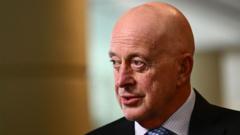
The CEO of Mondelez, the company behind beloved Cadbury chocolates, has come under scrutiny for its decision to keep operations running in Russia amid the ongoing conflict with Ukraine. Dirk Van de Put, the chief executive, openly expressed his discomfort with the idea that his company’s taxes may be indirectly funding the war. He stated that remaining in Russia was the “right decision” after the invasion began in 2022, warning that pulling out could jeopardize thousands of jobs and leave the company vulnerable to potential Kremlin control over its local operations.

While many Western corporations, including McDonald’s, have exited Russia following its aggressive actions toward Ukraine, Mondelez has opted for a different path. Van de Put emphasized that they have halted new investments and advertising expenditures in Russia, yet they continue to operate. “You try to be neutral in the whole conflict,” he explained, “We’re not trying to take sides.” However, he admitted, “We pay taxes in Russia that helps the war. I’m not pleased about that.”

Since the full-scale invasion, Mondelez’s sales in Russia have ranged between $1 billion and $1.4 billion annually. The decision to stay has drawn criticism, with over 70 MPs from the All Party Parliamentary Group on Ukraine signing a letter urging the company to sever ties with Russia. Alex Sobel, the group’s chair, stated, “Continuing to operate in a nation responsible for the deaths of countless Ukrainian civilians and the abduction of thousands of children cannot be justified under any definition of ‘business as usual.'”

Van de Put further shared his concerns about the potential repercussions of exiting Russia, suggesting that the company’s manufacturing plants could have been confiscated, leading to a situation where the Kremlin could continue selling Mondelez products to finance the war. “It is not the most popular decision, but I think it was the right decision,” he asserted.

Despite the turmoil, Mondelez maintains its operations in Ukraine, where the conflict looms large. Van de Put mentioned that an office building in Ukraine had recently been hit, fortunately with no casualties among the staff. “Everybody’s safe,” he said, reflecting on the precarious reality of the situation. The company operates two plants in Ukraine, one located in Trostyanets, near the Russian border, and another in Vyshhorod, close to Kyiv. “One plant got hit twice; we’ve rebuilt it twice,” he recounted, noting the significant costs involved in the reconstruction efforts.

In a show of commitment, Mondelez doubled salaries for all employees in Ukraine when the conflict escalated and has not laid off any workers. “We’re committed there, but for the people that work there every day, there’s danger,” he added. As the war continues to rage, the situation remains volatile, with reports of drone attacks and ongoing military actions affecting both Ukraine and Russia.

Bakalım bundan sonra ne olacak? Gelişmeleri takip ediyoruz…

Kaynak: Orijinal Haber

Germany Blocks UniCredit’s Commerzbank Bid, But Shares Surge!

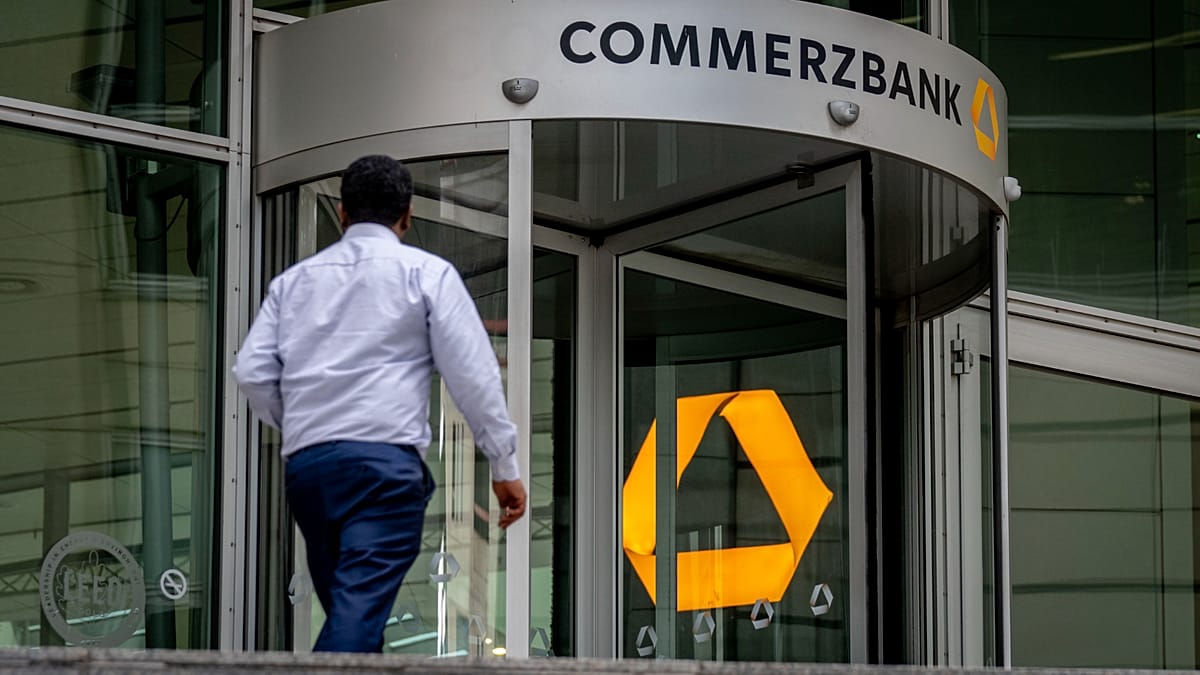
Germany has made a bold move by blocking UniCredit’s bid for Commerzbank, stirring up quite a stir in the financial world. This unexpected decisio

Germany has made a bold move by blocking UniCredit’s bid for Commerzbank, stirring up quite a stir in the financial world. This unexpected decision came as a shock to many, but here’s the kicker: despite the blockage, Commerzbank’s share prices skyrocketed. Yes, you heard it right!

Now, let’s dig deeper. The German government, known for its protective stance on national financial institutions, stepped in to halt the merger talks. They see Commerzbank as a crucial player in the banking sector, and they’re not keen on letting a foreign giant take control. The timing of this decision is interesting, with UniCredit’s bid, which was seen as a potential lifeline for the struggling bank, hitting a brick wall. But hold on, because while the merger may be off the table, investors seem to be betting on a different future.

In fact, reports show that Commerzbank’s shares have surged by nearly 10% since the announcement. Can you believe that? Investors are likely optimistic about the bank’s independence and potential for recovery on its own. It seems that the market is confident in Commerzbank’s ability to navigate through its challenges without foreign intervention.

The situation has left many wondering what’s next for both UniCredit and Commerzbank. Will UniCredit make another attempt, or has this setback caused them to rethink their strategy altogether? On the other hand, what will Commerzbank do now that they have a chance to chart their own course?

As analysts weigh in, the sentiment is mixed. Some believe that a merger could have brought much-needed resources and stability, while others argue that staying independent might allow Commerzbank to innovate and grow without the constraints of a larger entity.

It’s a classic case of “you win some, you lose some.” As the dust settles, we’re left with more questions than answers. What does the future hold for Commerzbank? Will UniCredit bounce back from this setback? One thing’s for sure: the financial world will be keeping a close eye on these developments.

Kaynak: Orijinal Haber

Mondelez Defends Staying in Russia Amid Controversy Over Tax Funding War

The CEO of Cadbury’s parent company, Mondelez, Dirk Van de Put, has publicly defended the decision to keep business operations in Russia, despite ack

The CEO of Cadbury’s parent company, Mondelez, Dirk Van de Put, has publicly defended the decision to keep business operations in Russia, despite acknowledging his dissatisfaction with the fact that the company’s taxes contribute to the ongoing war in Ukraine. This statement comes after Russia’s invasion of Ukraine in 2022, which led many Western companies, like McDonald’s, to pull out of the Russian market entirely. Van de Put expressed that leaving would jeopardize thousands of jobs and potentially allow the Kremlin to seize control of their local operations.

The CEO pointed out that since the invasion, Mondelez has generated annual sales ranging from $1 billion to $1.4 billion in Russia. In a candid interview with the BBC’s Big Boss series, he stated, “I think over time you try to be neutral in the whole conflict. We’re not trying to take any side.” However, he admitted that the company pays taxes in Russia that indirectly support the war, saying, “I’m not pleased about that.”

The situation has sparked significant backlash, with more than 70 UK MPs signing a letter urging Mondelez to sever its ties with Russia. Alex Sobel, chair of the All Party Parliamentary Group on Ukraine, articulated the moral dilemma, saying, “Continuing to operate in a nation responsible for the deaths of countless Ukrainian civilians cannot be justified under any definition of ‘business as usual’.”

Van de Put responded to these criticisms by explaining the dire consequences of leaving Russia. He warned, “They would have confiscated our plant. It would have probably given them a much bigger source of income, keep on selling our products to fund the war.” His sentiments reflect the difficult balancing act companies face in wartime economies—protecting jobs and investments while grappling with ethical implications.

Meanwhile, Mondelez continues to operate in Ukraine, where it also runs two manufacturing plants. The CEO remarked on the harsh realities of doing business there, sharing that one of their plants has been hit twice, costing them tens of millions to rebuild each time. Despite these challenges, Van de Put noted, “We’ve agreed that we will rebuild every single time there so we keep on investing in the country.”

In a move demonstrating commitment to their Ukrainian workforce, the company doubled salaries at the onset of the conflict and has not laid off any employees. “We’re committed there, but for the people that work there every day, there’s danger,” he added, highlighting the risks faced by employees amid ongoing hostilities.

The broader context of the war is ever-present, with a recent drone attack in Tula, Russia, resulting in three fatalities, underscoring the ongoing violence. As the situation evolves, it raises questions about the future of international business in conflict zones and the moral responsibilities companies hold.

Bakalım bundan sonra ne olacak?

Kaynak: Orijinal Haber

SpaceX Soars Past Amazon: A New Era in Tech Valuations

Elon Musk’s SpaceX has officially surpassed Amazon to become the world’s fifth most valuable company, following a staggering surge in its share price

Elon Musk’s SpaceX has officially surpassed Amazon to become the world’s fifth most valuable company, following a staggering surge in its share price. Just days after making a historic debut on New York’s Nasdaq stock exchange—the largest public listing ever—SpaceX’s shares skyrocketed by over 50%. This impressive leap now values Musk’s rocket venture at approximately $2.78 trillion (£2.1 trillion), whereas Jeff Bezos’s vast online retail and media empire is currently valued at around $2.66 trillion.

Now, what fueled this remarkable boom? Well, SpaceX recently announced its acquisition of AI coding start-up Cursor for a staggering $60 billion. The deal involves taking over Cursor’s parent company, Anysphere, which specializes in creating artificial intelligence coding agents. Investors are buzzing with excitement, captivated by SpaceX’s ambitious vision of launching AI data centers into space and even paving the way for human colonization of Mars.

The listing event raised a jaw-dropping $85.7 billion, catapulting Musk into the spotlight as the world’s first trillionaire. If we rewind to last Friday when shares were first sold to the public at $135 each, they’ve since surged to $209. But hang on a second—analysts are scratching their heads, questioning how sustainable this high share price really is, given the looming uncertainties surrounding SpaceX’s future earnings.

Now, let’s talk about brand recognition: while Amazon is a household name that you can’t escape from, SpaceX remains a bit more niche in the everyday lives of the general public. Even though SpaceX’s stock market value has now put it ahead of Amazon, the revenue and profit figures tell a different story. Amazon raked in a whopping $30.3 billion in profit during the first quarter of 2026, while Musk’s forward-thinking SpaceX reported a loss of $4.3 billion. In 2025, Bezos’s empire recorded sales of about $716.9 billion, while SpaceX pulled in $18.67 billion.

Nevertheless, it seems that investors are betting big on what SpaceX could achieve in the future. The company is heavily invested in manufacturing and launching reusable rockets, in addition to its growing Starlink internet satellite service, and now it’s ramping up efforts in the AI space. SpaceX and Cursor have been collaborating since April, with Musk’s firm having the option to either buy Cursor for $60 billion or pay $10 billion for their joint work.

Cursor’s technology, similar to that of OpenAI and Anthropic, employs AI to automate code writing, a major modern application of artificial intelligence. This partnership is particularly crucial as SpaceX aims to compete with rivals by expanding its AI division, xAI, the brain behind the controversial Grok chatbot. When announcing the partnership back in April, SpaceX stated: “The combination of Cursor’s leading product and distribution to expert software engineers with SpaceX’s million H100 equivalent Colossus training supercomputer will allow us to build the world’s most useful models.”

Major companies like Stripe, Adobe, and Nvidia already utilize Cursor, with Nvidia’s CEO, Jensen Huang, labeling it as his “favorite enterprise AI service.” SpaceX confirmed that this deal is scheduled for completion by the end of September, with Cursor’s shareholders set to receive $60 billion in SpaceX shares.

So, what’s next for SpaceX? As we watch the tech world unfold, it’ll be interesting to see how this new valuation affects Musk’s ambitious plans and whether SpaceX can maintain its momentum against industry giants like Amazon.

Kaynak: Orijinal Haber

DGSI Chooses French Firm Over Palantir: What’s Next for Data Security?

The French intelligence agency, DGSI, has officially announced its decision to drop Palantir Technologies, opting instead for a local firm to handle

The French intelligence agency, DGSI, has officially announced its decision to drop Palantir Technologies, opting instead for a local firm to handle its data analysis needs. This move, revealed by Sébastien Lecornu, France’s Minister of the Armed Forces, marks a significant shift in how national security operations might be conducted going forward. The decision comes as a response to growing concerns about data sovereignty and the reliance on foreign technology companies.

Lecornu stated that this transition aims not only to support local businesses but also to ensure that sensitive data remains within French borders. “It’s crucial for us to have control over our data, especially in matters of national security,” he emphasized. The new partnership with a French firm is expected to bolster the country’s capabilities in cybersecurity and intelligence gathering.

You know, there’s a lot of chatter in the tech community about how this decision reflects a broader trend of countries wanting to rely on domestic tech solutions rather than depending on giants like Palantir. People are starting to realize that when it comes to national security, it’s not just about the tech – it’s about trust, too. And honestly, who wouldn’t want their sensitive information managed by someone who understands their local context?

The French government is betting big on this local firm, promising that it will deliver advanced analytics capabilities that can compete with its American counterparts. The move is seen as a way to enhance transparency and accountability in how data is handled, which could ultimately lead to better trust among citizens regarding government operations. But let’s be real, switching tech providers isn’t easy. There’s a lot of work ahead to ensure that the transition goes smoothly without disrupting ongoing operations.

Now, the question on everyone’s lips is: can this local firm deliver? Will they be able to meet the high standards set by Palantir? As this situation unfolds, many are watching closely to see how this new chapter in French intelligence will play out. Can they really pull it off, or will there be bumps along the way? Only time will tell, but one thing is for sure – the stakes are high, and the eyes of the nation are on this new partnership.

Kaynak: Orijinal Haber

SpaceX Strikes Big: Acquires AI Start-Up Cursor for $60 Billion!

SpaceX has agreed to buy AI coding start-up Cursor for an eye-popping $60 billion (£45 billion) just days after its massive initial public offering

SpaceX has agreed to buy AI coding start-up Cursor for an eye-popping $60 billion (£45 billion) just days after its massive initial public offering (IPO). Elon Musk’s space venture is set to take over Anysphere, the company behind the innovative artificial intelligence coding agent. This acquisition follows SpaceX’s recent debut on New York’s tech-focused Nasdaq stock exchange, which marked the biggest listing ever, valuing the company at over $2 trillion and raising an impressive $85.7 billion.

Now, here’s the kicker: SpaceX and Cursor have been working together since April, when they struck a deal giving SpaceX the option to buy Cursor at that hefty price or fork out $10 billion for the work they’ve already completed together. The technology developed by Cursor is on the cutting edge, using AI to streamline the code-writing process, which is one of the hottest applications of artificial intelligence today.

This partnership comes at a crucial time for Musk’s company, as they aim to ramp up their AI game through xAI, the division responsible for the controversial Grok chatbot. Back in April, SpaceX made a bold statement saying: “The combination of Cursor’s leading product and distribution to expert software engineers with SpaceX’s million H100 equivalent Colossus training supercomputer will allow us to build the world’s most useful models.” Talk about ambition!

Now, let’s not forget that Cursor is no small fry in the tech world. Major players like Stripe, Adobe, and Nvidia are all on board, with Nvidia’s CEO Jensen Huang even labeling it his “favourite enterprise AI service.” With this acquisition set to complete by the end of September, Cursor’s shareholders will cash in with $60 billion worth of SpaceX shares.

SpaceX’s shares have skyrocketed nearly 50% from their initial offering price of $135, including a stellar first full day on the public markets. This IPO didn’t just make headlines; it catapulted Musk into the elite club of trillionaires, igniting a heated debate about wealth inequality and taxation. However, it’s worth mentioning that SpaceX’s valuation is largely built on optimism regarding future earnings— earnings that haven’t materialized yet. The company is currently in the red, losing over $9 billion in 2025 and 2026 due to its hefty investments in AI and infrastructure.

The primary focus for SpaceX remains the manufacture and launch of rockets that can be reused. They’re also in the game of deploying Starlink internet satellites, and this year’s acquisition of xAI marks their official entry into the AI sector. As we see the tech world evolve, it seems SpaceX is making moves to stay ahead of the competition.

So what’s next for Musk and his ever-expanding empire? Will this acquisition pay off, or will it lead to more challenges down the line? Only time will tell, but one thing’s for sure: the tech landscape is shifting, and SpaceX is right in the thick of it.

Kaynak: Orijinal Haber

Thames Water’s Nationalisation Looms as Government Rejects Rescue Plan

The government has officially objected to a proposed rescue deal for Thames Water, pushing the UK’s largest water company closer to a form of nationa

The government has officially objected to a proposed rescue deal for Thames Water, pushing the UK’s largest water company closer to a form of nationalisation. Environment Secretary Emma Reynolds made her concerns known in a letter to the industry regulator on Monday, raising alarms about the £10bn package that the firm’s lenders have put on the table. The worries about the company’s potential collapse first surfaced three years ago, and since then, the government has been ready to step in if necessary. Reynolds emphasized that the current deal falls short in addressing the needs of consumers and the environment, while Thames Water and its lenders argue that a market-led solution would serve the company and its customers better.

If the worst-case scenario unfolds and the company goes bust, households won’t be left high and dry – they will still have access to drinking water and sewerage services. Thames Water, which caters to around 16 million customers mainly in London and parts of southern England, has faced a barrage of criticism in recent years. From sewage discharges to pipe leaks, the company has not had the best track record. Just last May, it was slapped with a whopping £122.7m fine, the largest ever issued by the water industry regulator, for failing to adhere to rules regarding sewage spills and shareholder payouts.

A group of its current lenders has stepped up, offering to wipe off £9.4bn of the company’s nearly £20bn debt and inject billions more in fresh funds. However, they are asking for leniency regarding future pollution fines in exchange. The consortium, known as London & Valley Water, plans to pour about £3.35bn into the company along with a new £6.55bn debt facility, aiming for a comprehensive £10bn business plan that spans until 2030. A spokesman from the group previously stated that the proposed rescue deal would “fund significant improvements for customers, clean up local rivers and achieve full compliance as quickly as possible.”

On Tuesday, Reynolds reiterated her stance, expressing that she doesn’t want a situation where Thames Water customers are left “picking up the bill for the company’s failures.” She noted that she has reached out to Ofwat to voice her early concerns that the creditors’ proposals fail to sufficiently protect consumers and the environment. The government is prepared for all possibilities, including the temporary nationalisation of the company. Reynolds is scheduled to address Parliament on Tuesday regarding this situation.

Ofwat, the UK regulator for water companies, is currently reviewing the proposal, with a decision expected this summer. If a rescue deal is not reached soon, Thames Water faces a cash crunch and could run out of funds within mere months. Thames Water has responded to the BBC, stating, “We remain of the view that a market-led solution is the best way to secure the long-term stability needed to continue improving performance and advancing our turnaround plan, for the benefit of customers, the environment and our stakeholders.” They further asserted that their focus remains on providing safe, resilient services to customers and collaborating closely with various stakeholders.

The government has previously indicated a preference for a “market-based solution” but reassured that it would intervene if necessary. The temporary nationalisation being considered is known as a special administration regime (SAR), which would place the company under government-appointed management to ensure its vital services continue running. Proponents of this SAR solution argue it could give Thames Water a fresh start, allowing it to shed some losses and be sold off without a hefty debt burden. However, a Thames Water spokesperson has expressed skepticism, suggesting that a SAR would only complicate matters rather than resolve them. They stated, “SAR would delay urgently needed improvements, increase costs, transfer risk and potentially create operational disruption.”

Meanwhile, London’s lenders, London & Valley Water, contend that nationalisation won’t remedy the company’s issues, but merely reset the clock on fixing Thames Water. A spokesperson warned last week that nationalisation would necessitate “billions of pounds of government financial support, increase uncertainty for employees, put pensions at risk, destabilise the supply chain, and complicate delivering the improvements customers deserve.” Back in July of last year, Thames Water’s CEO, Chris Weston, admitted the company was under “extreme stress,” projecting that it would take “at least a decade to turn around.”

So, what lies ahead for Thames Water? The situation is still fluid, and developments are unfolding rapidly. Will the government step in to take control, or can a viable market solution emerge before it’s too late? Keep your eyes peeled for updates…

Kaynak: Orijinal Haber

Thames Water: Nationalisation Looms as Government Rejects Rescue Deal

The government has thrown a spanner in the works for Thames Water, the UK’s largest water company, by objecting to a proposed rescue deal that could

The government has thrown a spanner in the works for Thames Water, the UK’s largest water company, by objecting to a proposed rescue deal that could push the firm closer to nationalisation. Environment Secretary Emma Reynolds stepped up to the plate on Monday, voicing serious concerns about a hefty £10 billion package put forward by the company’s lenders. This isn’t just a minor hiccup; fears about the company’s potential collapse have been brewing for three years, and the government has been standing by, ready to take control if things go south.

You see, Thames Water serves around 16 million customers, primarily in London and parts of southern England, but it’s been in hot water over its performance. The company has faced heavy backlash for issues like sewage discharges and pipe leaks. Just last May, it got slapped with a staggering £122.7 million fine—the largest ever handed down by the water industry regulator—thanks to its breaches on sewage spills and shareholder payouts. So, the stakes are high.

Now, a group of its existing lenders has come forward, offering to wipe off £9.4 billion of the company’s near £20 billion debt and inject billions more. But, there’s a catch—they want some leniency on future pollution fines in exchange. London & Valley Water, a consortium of big financial players, is promising a cash injection of around £3.35 billion along with a new £6.55 billion debt facility. This package is envisioned as part of a £10 billion business plan that stretches all the way to 2030. The lenders claim this deal would fund significant improvements for customers, clean up local rivers, and get the company in full compliance as swiftly as possible.

Ofwat, the body that regulates water companies in the UK, is currently mulling over the proposal, with a decision expected this summer. If no rescue deal is reached, Thames Water could find itself running dry financially within mere months, leading to its potential collapse. The Times, which broke the news, pointed out that the government’s intervention stems from worries that the deal would put an “undue burden” on customers. Reynolds is set to address Parliament on Tuesday, so eyes will surely be on her for updates.

Now, Thames Water and Ofwat have been reached out to for comments on these latest developments. The government has made it clear that it would prefer a “market-based solution” but isn’t afraid to step in if push comes to shove. What’s on the table is a form of temporary nationalisation called a special administration regime (SAR). This would allow the government to keep vital services running through managers it appoints. If the worst were to happen and the company does go belly-up, households would still be provided with essential drinking water and sewerage services.

But, here’s the kicker: a spokesperson for Thames Water has previously stated that a SAR would create more problems than it solves. “SAR would delay urgently needed improvements, increase costs, transfer risk, and potentially create operational disruption,” they said. Yikes! Meanwhile, the lenders at London & Valley Water have warned that “nationalisation is not the right answer.” They argue it would merely restart the lengthy process of fixing Thames Water, require billions in government support, and lead to uncertainty for employees, putting pensions at risk. All this could destabilise the supply chain and hinder efforts to deliver the improvements that customers so desperately need.

Earlier this year, CKI Holdings, a company interested in buying Thames Water, suggested that customers would actually be better off if the utility were allowed to collapse. This way, they and other bidders could jump in to revive the debt-ridden company. CKI’s co-managing director, Andy Hunter, emphasized that the next owner of Thames Water should be an experienced, credible operator with the right expertise and resources to fix the mess. “But we seem to be sleepwalking into a conclusion that will result in the next owner of Thames Water – having, doubtless, many attributes – having none of these attributes,” he lamented.

Last July, Thames Water’s CEO, Chris Weston, did not mince words, declaring that the company was “extremely stressed” and that turning things around would take “at least a decade.” So here we are, folks, at a crossroads for Thames Water. Will the government step in, or will a market-based solution emerge? The future is murky, and the pressure is mounting.

Kaynak: Orijinal Haber

US-Iran Deal: What’s Next for Oil Prices and Food Costs?

More than three months after the US and Israel first began their war with Iran, the White House and the Iranian regime have agreed on a framework dea

More than three months after the US and Israel first began their war with Iran, the White House and the Iranian regime have agreed on a framework deal aimed at establishing a longer-term resolution to the conflict. This Middle East crisis has sent global oil prices skyrocketing, effectively closing one of the world’s crucial water transport routes for oil, liquefied natural gas, and other essential commodities, which in turn has curtailed global supplies. But hold on a second—experts are warning that it might take some time before shipping through the Strait of Hormuz returns to normal, and the fallout from the war is expected to impact the global economy for potentially months to come.

“Let the oil flow!” exclaims US President Donald Trump in a social media post celebrating the agreement, which he claims will include reopening the strait for commercial shipping. “Ships are starting to move,” Trump declared later on Monday, “loaded up with oil, out of the Strait of Hormuz,” which he described as “totally safe, secure, and pristine.” However, BBC Verify has been checking ship-tracking data, and it appears that traffic levels remain low in the Strait of Hormuz, despite the announcement. In fact, according to the ship tracking website MarineTraffic, only two vessels with active location trackers have exited the waterway since Sunday—a bulk carrier and a tanker.

Now, the Strait has been practically shut off to most shipping traffic since February 28, with only a handful of vessels friendly to Iran able to pass through. Hundreds of ships have been stranded in the Gulf, facing risks like sea mines or drone strikes, which have raised the stakes for crews and made safe passage a challenge. Neil Shearing, group chief economist for Capital Economics, said it remains to be seen whether this latest deal represents a fragile truce or a more durable settlement. He added that it would likely take some time for oil flows through the Strait to return to pre-war levels.

Even if ships now have safe passage, tankers are in the wrong place, oil production and refining facilities need to ramp up to full capacity, and there are still concerns about the cost and availability of insurance for ships traversing the Strait. Before the agreement was even reached, during the ongoing ceasefire, shipping companies were generally hesitant to move their vessels out of the strait. Getting those ships out will be their first priority. Take Denmark’s Maersk, the world’s second-largest shipping line, for instance—it has five ships stuck in the Gulf due to the conflict. They mentioned it’s too early to assess how the agreement will impact logistics, and for now, there’s nothing changing in their operations in the region.

On the other side of the aisle, German shipping giant Hapag-Lloyd has four ships trapped in the strait and is hoping to get them out over the weekend once the deal is signed and any remaining mines are cleared. Normally, about a fifth of the world’s oil and LNG supplies flow through the strait, and the effective standstill in traffic has pushed oil prices higher. This has had a cascading effect on petrol, diesel, and jet fuel costs. During the conflict, the price of Brent crude, the global oil benchmark, shot up to around $120 a barrel, while before the hostilities erupted, it hovered just below $70. After the news of the framework deal broke, Brent dropped to $83.55 a barrel.

Now, President Trump stated that the Strait of Hormuz would reopen once the “deal” is signed on Friday. Senior energy strategist at Rabobank, Florence Schmit, noted that there’s a “strong possibility that we’ll see a lot of volatility” leading up to the deal’s signing. “Some things are not confirmed on both sides—important things: we don’t know if the deal will be signed,” she told the BBC, adding, “What we’ve seen so far is a deal for 60 days for the opening of the Strait—but what happens after that? What if the Iranians want to re-insert a toll system?” A full-scale peace agreement could still be a long way off.

Despite this uncertainty, Schmit mentioned that normalcy in the system, including prices, “could return by the end of the year” if a full ceasefire is agreed upon. Normalcy would mean the return of pre-war levels of 26 daily crude oil tankers going through the strait. Given the current positive media headlines and what she described as a “sentiment-driven” sell-off, there’s a chance prices might dip below $80 a barrel, but they could average in the mid-$80s by year-end once “the geopolitics is stripped out” and the market assesses the reality of the situation.

As for global food prices, there could also be relief if fertilizer supplies get closer to normal levels again. Fertilizer—a by-product of oil—has skyrocketed in price, putting immense pressure on farmers. Yara, one of the world’s largest fertilizer and crop firms, said the situation remains uncertain, and farmers may “require targeted support to manage ongoing volatility” in the short term. Maurizio Carulli, a global energy analyst at Quilter Cheviot, suggested that the ceasefire “should help ease the immediate pressure on fertilizer markets,” but warned it won’t be instantaneous.

He pointed out that roughly one-third of traded fertilizer and significant volumes of natural gas used for nitrogen-based fertilizers flow through the Strait of Hormuz, and “lingering damage to energy infrastructure” will take time to mend. Plus, the crop season has already begun in several regions worldwide, so the resumption of nitrogen and phosphate fertilizer deliveries may come too late for agricultural crops, negatively impacting global produce.

Meanwhile, jet fuel—another oil by-product—traded in Northwest Europe (NWE) has already seen a slight decline in price. NWE jet fuel is now down to $1,033 per tonne, compared to $831 per tonne before the conflict and around $1,840 at its peak. The Iran war has affected economies worldwide, as the spike in energy costs has driven fuel prices up, leading to increased inflation. This has pressured central banks to raise interest rates to keep inflation in check.

In the UK, prior to the war’s onset, the Bank of England was widely expected to cut interest rates this year. But those predictions quickly shifted as energy costs surged, with the bank now anticipated to hold rates steady, if not increase them later in the year. Russ Mould, investment director at AJ Bell, mentioned that just last week, markets were pricing in two rate hikes by early 2027. The probabilities have since shifted to a single rate hike by December and potentially no changes for at least the first half of 2027. This could mean companies will have greater confidence to hire more people, consumers might be more inclined to spend, and the property market could start to warm up after going cold for sellers in recent months.

So, what’s the bottom line here? President Trump says the US and Iran have struck a deal to end the war, but it remains unclear what’s been decided regarding Iran’s nuclear program. When the conflict kicked off on February 28, fuel costs surged as the war disrupted energy production and transportation across the Middle East. As we keep our eyes on the developments, let’s see what unfolds next…

Kaynak: Orijinal Haber

US-Iran Deal: What It Means for Oil Prices and Food Costs!

More than three months after the US and Israel kicked off their military engagement with Iran, a tentative framework deal has emerged from the White

More than three months after the US and Israel kicked off their military engagement with Iran, a tentative framework deal has emerged from the White House and Tehran. This agreement aims to pave the way for a more sustainable cessation of hostilities in the Middle East, a region that has seen global oil prices spiral upwards as conflict effectively choked one of the world’s most crucial maritime routes for oil and gas. The Strait of Hormuz, a key artery for global energy, has faced significant disruptions, and experts are warning that it will take time for shipping to return to normal. The repercussions of this war will likely linger on the global economy for months to come.

“Let the oil flow!” That’s the rallying cry from US President Donald Trump, who celebrated the agreement on social media. He boasted that commercial shipping in the strait would soon resume. “Ships are starting to move,” he declared, confidently asserting that vessels laden with oil were now navigating the Strait of Hormuz, which he assured was “totally safe, secure, and pristine.” However, ship-tracking data from BBC Verify suggests that despite these optimistic statements, traffic in the Strait of Hormuz remains alarmingly low. Only two vessels, a bulk carrier and a tanker, have left the waterway since the announcement, highlighting the ongoing risks in the region. The strait has faced a near-complete shutdown for shipping since February 28, allowing only a handful of vessels friendly to Iran to pass through.

With hundreds of ships stuck in the Gulf, the danger from sea mines and potential drone strikes has heightened the peril for crews, complicating any efforts to resume normal operations. Neil Shearing, the chief economist at Capital Economics, emphasized that it remains unclear whether this latest deal signifies a temporary ceasefire or a more permanent resolution. He noted that it might take considerable time for oil shipments through the Strait of Hormuz to bounce back to pre-war levels. Even if ships are granted safe passage, logistical challenges abound: tankers are out of position, oil production and refining facilities need to ramp up, and questions regarding insurance costs for traversing the strait will continue to loom large.

Even before this agreement, shipping companies were hesitant to push their vessels out of the strait during the ceasefire. Denmark’s Maersk, the world’s second-largest shipping line, has five ships stuck in the Gulf due to the ongoing conflict. The company stated that it’s premature to gauge how this agreement will impact logistics, and for now, operations in the region remain unchanged. Meanwhile, German shipping giant Hapag-Lloyd is hoping to get its four stuck vessels out over the weekend, contingent on the deal being signed and any remaining mines being cleared.

Normally, about a fifth of the world’s oil and LNG supplies flow through the Strait of Hormuz, and the effective shutdown of this route has driven oil prices up. This increase has had a cascading effect, pushing petrol, diesel, and jet fuel costs higher. At the height of the conflict, Brent crude, the global oil benchmark, surged to around $120 a barrel, compared to just below $70 before fighting broke out. Following news of the framework deal, Brent prices dipped to $83.55 a barrel. Trump assured that the Strait of Hormuz would be reopened once the deal is finalized on Friday.

Florence Schmit, a senior energy strategist at Rabobank, warned of potential volatility leading up to the signing of the deal. She expressed uncertainty about whether the agreement would be confirmed, pointing out that it’s only a 60-day deal for opening the Strait. “What happens after that? Will Iran want to impose tolls again?” she questioned. Despite this, Schmit noted that if a full ceasefire is achieved, normalcy—including pre-war levels of 26 daily crude oil tankers passing through the strait—could return by the end of the year.

If supplies of fertilizer return to normal levels, global food prices might also stabilize. Fertilizer, a derivative of oil, has seen prices skyrocket, exerting pressure on farmers. Maurizio Carulli, a global energy analyst at Quilter Cheviot, indicated that the ceasefire “should help ease immediate pressure on fertilizer markets” but warned that it won’t be instantaneous. Approximately a third of traded fertilizer and significant volumes of natural gas, essential for nitrogen-based fertilizers, move through the Strait of Hormuz, and the lingering damage to energy infrastructure will take time to repair.

What’s more, the agricultural cycle has already begun in various regions worldwide, meaning that the resumption of nitrogen and phosphate fertilizer deliveries will likely come too late for some crops, negatively impacting global produce. Jet fuel prices in Northwest Europe have already seen a slight decline, with NWE jet fuel dropping to $1,033 per tonne, down from $1,840 at its peak, but still higher than the $831 per tonne prior to the conflict.

The Iran war has reverberated through economies globally, with soaring energy costs leading to increased fuel prices and rising inflation. This inflation has pressured central banks, including the Bank of England, which had initially been expected to cut interest rates this year but has now shifted its stance in light of rising energy costs. Russ Mould, the investment director at AJ Bell, noted that just last week, markets anticipated two rate hikes by early 2027, but those probabilities have now shifted to just one rate hike by December, with potentially no further changes in the first half of 2027. This could instill greater confidence in companies to hire and encourage consumer spending, possibly reviving a property market that has cooled for sellers in recent months.

As the conflict began on February 28, fuel costs surged as the war disrupted energy production and transportation throughout the Middle East. With reports emerging that the deal includes Lebanon, there are concerns about ceasefires in that region holding firm. Israel has reportedly targeted Hezbollah, an Iran-backed group, with Iran warning that such actions could derail the US-Iran deal aimed at ending the fighting.

Kaynak: Orijinal Haber