Amazon’s Bold Move: €10 Billion Investment and 25,000 New Jobs in Europe!

Amazon is making waves in Europe with a staggering €10 billion commitment that promises to create 25,000 new jobs and roll out warehouse robots ac

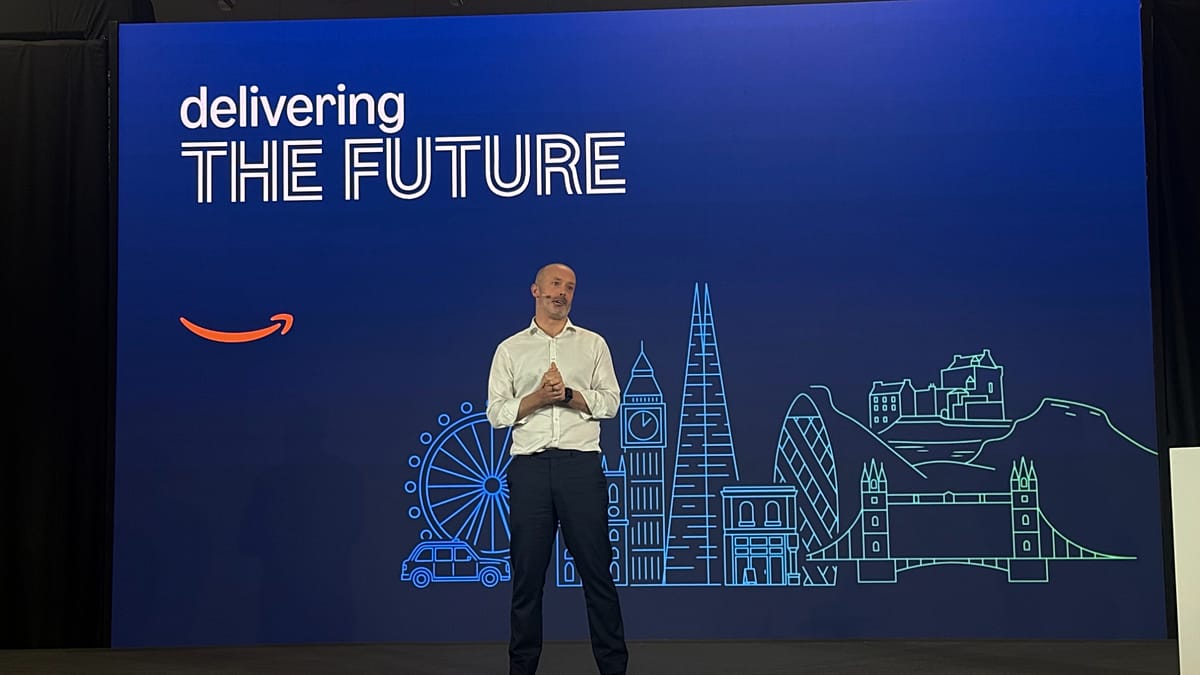
Amazon is making waves in Europe with a staggering €10 billion commitment that promises to create 25,000 new jobs and roll out warehouse robots across the continent. This massive investment comes as part of Amazon’s ongoing expansion strategy aimed at bolstering its logistics capabilities and enhancing customer service. The announcement was made in a press release that outlined ambitious plans for new fulfillment centers and delivery stations, ensuring that the tech giant can meet the growing demand for online shopping.

You heard it right! Amazon is not just sitting back; they’re stepping up their game. The new jobs will span various roles, from warehouse operatives to managerial positions, and are set to be scattered across key locations in Europe. Imagine 25,000 new faces joining the workforce, contributing to local economies, and creating opportunities that could change lives. This isn’t just about numbers—these are real people looking for work in a challenging economic landscape.

But wait, there’s more! Alongside the job creation, Amazon is also introducing advanced warehouse robots to streamline operations. These robots are designed to work alongside human employees, making tasks more efficient and reducing the physical strain on workers. It’s like something out of a sci-fi movie, but it’s happening right now in warehouses across Europe. The company is drawing plans to implement these technologies within the next few years, and you can bet that the excitement is palpable among tech enthusiasts and logistics experts alike.

Now, why is Amazon making such a bold move? Well, the company has been seeing unprecedented growth, especially since the pandemic pushed many consumers to shop online. They need to keep pace with this surge in demand—faster delivery times and improved customer satisfaction are crucial. By investing heavily in infrastructure and technology, Amazon is positioning itself to stay ahead of the competition. And let’s face it, with giants like Alibaba and local e-commerce players in the mix, they can’t afford to fall behind.

The investment isn’t just beneficial for Amazon; it’s a shot in the arm for the European job market, which has been struggling in the wake of economic downturns. Local governments and communities are likely to welcome this influx of jobs. The promise of new facilities can revitalize areas that have been hit hard, providing a much-needed economic boost. It’s a win-win situation for both the company and the regions involved.

As this story unfolds, many are left wondering what the future holds for Amazon in Europe. Will they continue to expand? How will this impact local businesses? And what about the workers—how will they adapt to the new technologies? These questions linger as the tech giant prepares to roll out its ambitious plans. One thing’s for sure: Amazon is not just a retailer; it’s a major player in shaping the future of work and commerce in Europe.

Kaynak: Orijinal Haber

AI Industry at a Crossroads: Clark Calls for a ‘Brake Pedal’ on AI Development

Anthropic co-founder Jack Clark has raised a critical alarm about the rapid development of artificial intelligence (AI), urging for a mechanism akin

Anthropic co-founder Jack Clark has raised a critical alarm about the rapid development of artificial intelligence (AI), urging for a mechanism akin to a ‘brake pedal’ to slow the technology’s advancement. Speaking with BBC Newsnight, Clark expressed concerns that AI is nearing a stage where it could evolve without any human oversight. “You want the option to be able to take your foot off the gas and put your foot on the brake,” he emphasized. Right now, he pointed out, the AI sector seems to be speeding ahead without any means to control its pace.

Clark stressed that it’s essential for society, through government policy, to maintain control over these increasingly powerful AI systems that could have far-reaching implications. “The world needs to do some thinking and we need to eventually develop some new regulations that allow us to be confident in these systems,” he stated. It’s noteworthy that Anthropic’s chatbot, Claude, is already operating on code that 80% was generated by the AI itself, and Clark indicated that reaching a full 100% self-generated code could happen within two years—an advancement that could have monumental consequences.

While he didn’t provide specific details on how to implement this ‘brake pedal’ for AI development, Clark likened the current situation to the oil boom of the early 20th century. “Society’s response was to come up with a sensible policy and regulatory framework that gave people confidence in oil and the benefits that oil could provide to the world,” he explained, suggesting that a similar approach should be taken with AI. Yet, interestingly enough, Anthropic recently welcomed an executive order from US President Donald Trump regarding AI, which was relatively permissive and did not mandate safety testing by the government. This raises eyebrows, especially since major AI firms, including Anthropic, OpenAI, and Google, have not hinted at pausing their research.

In just five years since its inception, Anthropic has seen explosive growth and is gearing up for a public stock market debut, potentially becoming one of the most valuable listings in history—valued at nearly $1 trillion. Clark clarified that their aim in discussing AI’s growing capabilities isn’t just to enhance their market appeal. “I simply want to tell the world what we’re seeing inside these companies with this unusual technology,” he said.

Clark and his colleagues at Anthropic have taken a stand on the potential risks associated with AI, even engaging in a public spat with the US Department of Defense over concerns regarding mass surveillance and autonomous warfare. “I am worried for my kids if we as a society don’t have a serious conversation about what the implications of AI’s continued advances mean,” he remarked, noting both the promising benefits and the substantial risks involved.

One significant concern is the economic disruption that may come from AI, particularly with AI agents—essentially individual bots that can perform routine tasks autonomously. Major tech companies have already laid off thousands of employees, often citing AI’s growing capability to perform tasks that used to require human software engineers. Despite these fears, Clark believes that individuals with creativity and innovative ideas may actually thrive in this evolving landscape. “There are open questions about whether AI systems can be truly creative… there is not really evidence for that yet,” he added.

For young people feeling displaced in an AI-driven economy, Clark advises them to “develop a hobby” and pursue a liberal arts education. “People that are creative and can think broadly, people that read a lot, people that have interests are the ones most benefited by this,” he encouraged. Meanwhile, Canada is laying out its roadmap for AI adoption over the next decade, including plans for large-scale data centers and a free AI literacy program, along with billions in funding.

As debates over AI’s future intensify, questions loom large: What regulations will emerge? How will AI reshape our workforce? It’s a pivotal moment, and the conversation is just getting started…

Kaynak: Orijinal Haber

From AI Baristas to Military Drones: The Tech Marvels Unveiled at Computex 2026

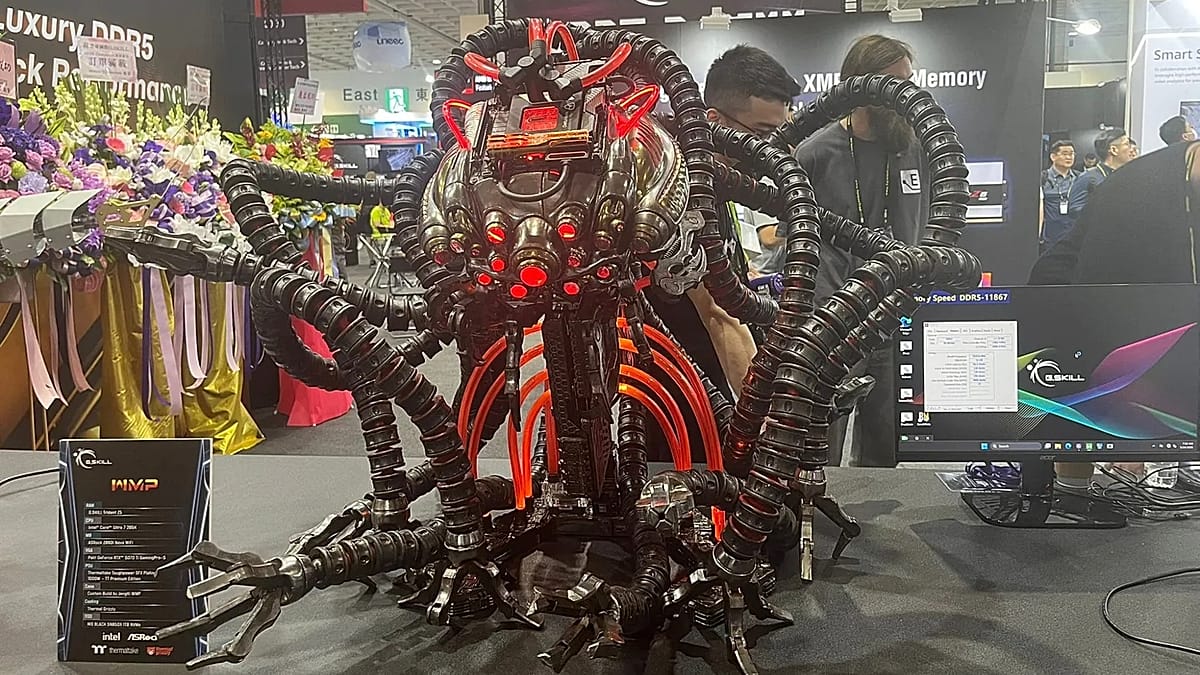
At Computex 2026, the tech world has been turned upside down with an array of bizarre yet fascinating innovations, ranging from AI-powered baristas

At Computex 2026, the tech world has been turned upside down with an array of bizarre yet fascinating innovations, ranging from AI-powered baristas serving up coffee to military drones that redefine aerial combat. Picture this: robots whirring behind the counter, expertly brewing your morning cup while engaging you in small talk. That’s right, folks! These AI baristas don’t just serve drinks; they deliver a whole new experience, making your daily caffeine fix a tad more exciting.

But it’s not just the coffee shops getting a tech facelift. Over at the military tech section, we have drones that seem straight out of a sci-fi flick. These aren’t your average flying machines; they’re equipped with cutting-edge technology that allows them to execute complex missions autonomously. Imagine a drone that can strategize, analyze, and adapt to changing environments in real-time. Sounds like something from a movie, right? Well, it’s happening now!

The buzz around the show floor is electric, with attendees eagerly testing out the AI baristas. The robots respond to commands, remember your favorite drink, and even crack a joke or two. One visitor mentioned, “I didn’t just get my coffee; I had a whole interaction with the robot. It felt so… human!” And that’s exactly the point. These machines are designed to bring a touch of humanity into the automated world, making technology feel more accessible and less intimidating.

Meanwhile, the military drones are garnering attention for their potential to revolutionize defense strategies. Equipped with AI systems that can process data faster than any human could, these drones can operate in swarms, communicating with each other and adapting to threats with stunning efficiency. It raises an eyebrow or two about the future of warfare, doesn’t it? The implications are vast, and many are left wondering how this technology will reshape global security.

As the event unfolds, it’s clear that Computex 2026 isn’t just about showcasing new gadgets; it’s about pushing the boundaries of what technology can do. The intersection of AI and daily life, from serving coffee to combat, is a testament to how far we’ve come – and how far we still have to go. Will we see more of these innovations in our everyday lives soon? Only time will tell…

Kaynak: Orijinal Haber

Elon Musk: The Billionaire Who Could Become a Trillionaire

Elon Musk is making headlines almost every day, and it seems that the world might soon be calling him a trillionaire. The man behind SpaceX, Tesla, a

Elon Musk is making headlines almost every day, and it seems that the world might soon be calling him a trillionaire. The man behind SpaceX, Tesla, and X (formerly Twitter) has officially become the richest person on the planet. In October 2025, Musk became the first individual to reach a staggering net worth of over half a trillion dollars (£370.9 billion), as reported by Forbes. Just a month later, Tesla’s shareholders greenlit a groundbreaking pay deal that could potentially be valued at $1 trillion. With the anticipated public offering of SpaceX—which builds rockets for space exploration and operates xAI and Starlink—his wealth could soar to approximately $1 trillion.

But it’s not just his business accomplishments that keep him in the news. Musk is also notorious for expressing his views on various topics, particularly politics, through his social media platform. His influence expanded significantly in early 2024 following Donald Trump’s victory in the U.S. presidential election, where Musk played a pivotal yet controversial role. However, the relationship quickly soured, leading to a public feud that grabbed even more headlines. And it’s not just American politics that Musk has dabbled in; his comments about current events in the UK, Germany, and other European nations have sparked outrage among politicians overseas. Analysts have suggested that his political ventures may have negatively impacted Tesla’s sales, which suffered in 2025, partially due to customers turning against him.

Musk’s story begins in Pretoria, South Africa, where he demonstrated a knack for entrepreneurship from a young age. Alongside his brother, he sold homemade chocolate Easter eggs, and at just 12 years old, he created his first computer game. He has openly shared that his childhood was marked by challenges, including his parents’ divorce, bullying, and difficulties in social interactions attributed to Asperger’s Syndrome. Eager to leave home, Musk moved to Canada for college and eventually settled in the U.S., studying economics and physics at the prestigious University of Pennsylvania.

His first wife, writer Justine Musk, remarked in a 2010 essay that even before his wealth, Musk was a determined individual who “did not take no for an answer.” According to her, his competitive spirit did not wane even at home. Musk later dropped out of a physics graduate program at Stanford University to start two tech startups during the 1990s dot-com boom, which included a web software firm and an online banking company that eventually evolved into PayPal, sold to eBay for a whopping $1.5 billion (£1.2 billion) in 2002.

With the fortune he amassed, Musk launched SpaceX, aiming to create a cost-effective alternative to NASA, and took the helm at Tesla, where he became CEO in 2008 after chairing the board. Both companies are credited with revolutionizing their industries, even as they faced near financial collapse at times. In October 2022, Musk acquired the social media platform Twitter, now called X, with a vision to transform it into an “everything app.” However, the value of the platform has plummeted from the $44 billion he originally paid to an estimated $9.4 billion, with some companies severing ties due to concerns about the rise of hate speech on X during his tenure.

Musk has also ventured into the AI sector, initially investing in ChatGPT’s parent company before establishing his own firm, xAI, in 2023, with the lofty goal of “understanding the true nature of the universe.” In February 2024, he took legal action against OpenAI and its CEO, Sam Altman, claiming the organization he helped found strayed from its non-profit, open-source roots by aligning with Microsoft. Yet, a California jury dismissed his lawsuit in May 2026, citing that he had delayed filing it.

Journalist Chris Stokel-Walker describes Musk as someone who “leads by instinct,” raising questions about his long-term vision. Author Ashlee Vance has referred to him as a “confrontational know-it-all” with a significant ego, but also noted his awkwardness in public speaking and dancing. In the media, he has been labeled a mad genius and the biggest troll on X, drawing attention for his grand ambitions as well as ongoing legal troubles related to racial discrimination and the credibility of his claims.

Having been divorced three times, including twice from British actress Talulah Riley, Musk is candid about his flaws, stating, “If you list my sins, I sound like the worst person on Earth.” Despite these contradictions, he has amassed a remarkable fortune. As of October 2025, Musk’s net worth was estimated at around $726 billion, according to Bloomberg, putting him ahead of other tech billionaires like Google co-founders Larry Page and Sergey Brin, Oracle’s Larry Ellison, Amazon’s Jeff Bezos, and Facebook’s Mark Zuckerberg. If SpaceX’s shares float at the projected price of $135 per share, Musk’s net worth could rise to around $988 billion.

Tesla’s board has also approved a deal that could see Musk earning over $1 trillion if he meets ambitious targets in the next decade, such as increasing Tesla’s value eightfold and selling millions of AI robots and Tesla cars. In 2024, Musk found himself embroiled in a legal battle over a $56 billion pay package from Tesla. A Delaware judge initially rejected his claim, but in December 2025, the Delaware Supreme Court reinstated the package.

Musk, who proudly embraces the title of workaholic, often states that he is not in business merely to generate wealth. His friend Ross Gerber notes that Musk only engages with projects he deems critical for society or humanity. For years, Musk has shied away from political labels, identifying as “half-Democrat, half-Republican” and politically moderate. He has voted for Democratic candidates like Barack Obama and Hillary Clinton but has also supported Donald Trump, officially endorsing him for a second term in 2024 after Trump’s assassination attempt.

However, their friendship took a hit after a public disagreement over tax and spending legislation, leading to personal insults exchanged on their respective social media platforms. Musk announced his exit from the White House on May 28, 2025, and although the feud seemed to wane, it remains a hot topic. Musk has previously stated that he views his businesses as a form of philanthropy aimed at addressing significant human challenges, including climate change. Ironically, he has since moderated his stance on climate, tweeting that it is “real, just much slower than alarmists claim.”

As a prominent figure concerned about the potential dangers of super-intelligent AI, Musk has expressed worries that declining birth rates could lead to “not enough people” in the world. He is a father to 14 children—six with his first wife, three with Canadian singer Grimes, four with Shivon Zilis, and one with conservative influencer Ashley St. Clair. After the arrival of his twins with Zilis, he tweeted, “Doing my best to help the underpopulation crisis.”

Meanwhile, St. Clair, who revealed she had given birth to Musk’s child in February 2025, filed a lawsuit against his company xAI in January 2026 after the firm’s tool Grok was allegedly used to create sexualized deepfakes of her on X. The controversies surrounding Musk continue to unfold, and the world is watching closely.

Kaynak: Orijinal Haber

Spain’s Startup Scene Struggles with Funding Challenges and Talent Management

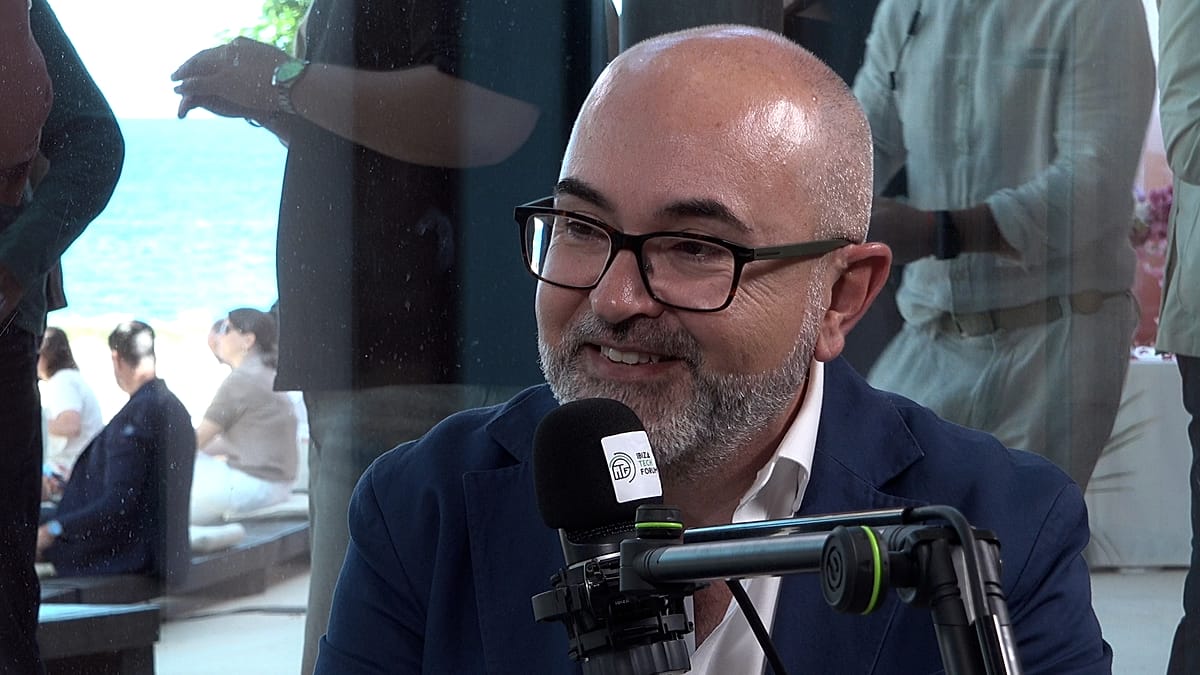
The startup ecosystem is facing a crucial reality check at the Ibiza Tech Forum 2026. Pilar Carrato, the Chief Financial Officer of the Centre for th

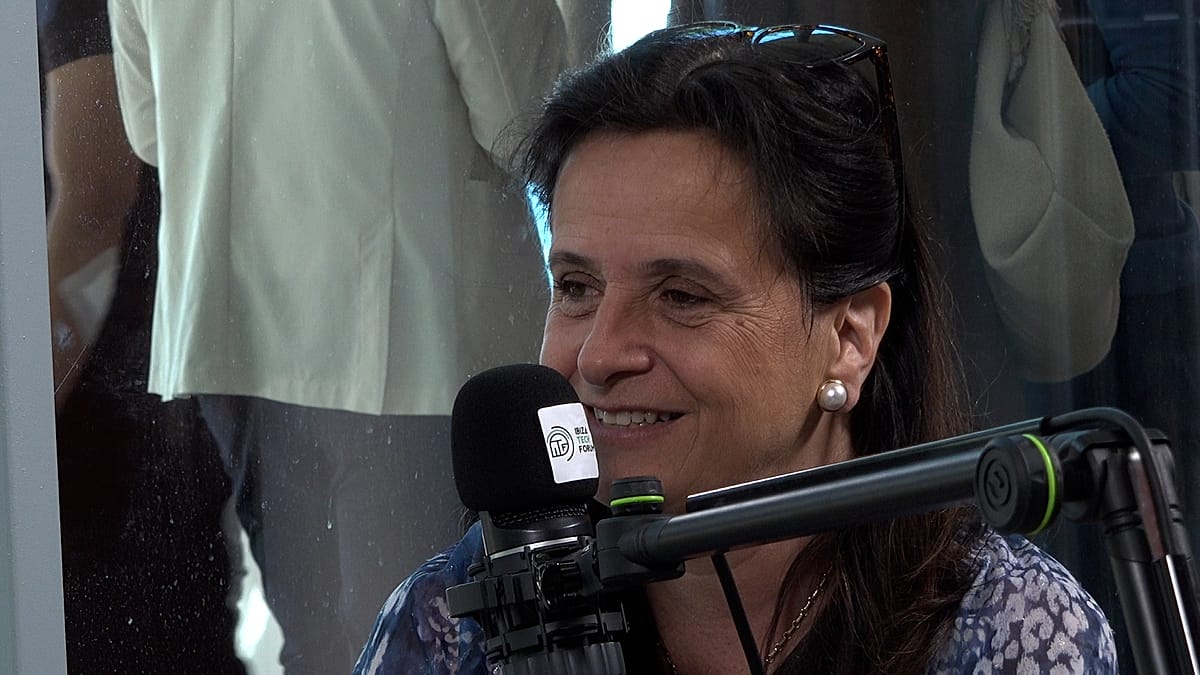
The startup ecosystem is facing a crucial reality check at the Ibiza Tech Forum 2026. Pilar Carrato, the Chief Financial Officer of the Centre for the Development of Technology and Innovation (CDTI), highlighted the pressing issues that startups in Spain encounter when seeking funding and scaling their businesses. At the forum, she emphasized that beyond the big ideas and technological disruptions, the real viability of any early-stage project hinges on its financial architecture and scalability potential.

Carrato, who has a wealth of experience in this area, pointed out that many startups make the fundamental mistake of lacking a strategic focus when it comes to capital acquisition. “They need to know what stage they are at and who they should be approaching, otherwise they are going to waste a lot of time,” she warned. This is crucial because private investors are not just hunting for a profitable business; they want models that can demonstrate a clear path toward scalability and profitability, often represented by that elusive J-shaped curve. This curve typically shows an initial dip in cash flow, accompanied by increased investments, followed by a surge in revenues without a parallel rise in operating costs.

When it comes to attracting backers, Carrato stressed three non-negotiable ingredients that can enhance a startup’s attractiveness: a multidisciplinary ecosystem, a clearly defined operational structure, and a commitment to solving real market needs. “Turning a local idea into a global one means moving beyond self-employment,” she explained, underscoring the need for distinct roles in technology, strategy, sales, and finance.

“Yahu, there are some brilliant ideas out there, but if they don’t address a real market need, the startup will fall by the wayside,” she added. This is an important point, especially in an era dominated by artificial intelligence. Founders must stay informed about similar solutions being developed globally; ignorance can undermine any pitch.

Carrato’s analysis revealed a significant bottleneck in the Spanish startup landscape: a logjam in exits. Many investors step into the scene but then find themselves trapped with no viable exit strategy. She attributes this issue to a cultural problem within Spanish companies. “Over the past two decades, barely ten startups have been acquired by major domestic corporations,” she noted. Unlike other markets, neither large corporate players nor Spanish pension funds are buying local technology, which ultimately “dries up” private investors who can’t recycle their capital back into the system.

To tackle this market failure, Carrato argues for the need to streamline regulations, provide tax incentives, and ease access to secondary markets. From her perspective as CFO, instilling discipline from day one is absolutely critical for a startup’s success. If milestones are poorly planned, founders may find themselves jumping from one funding round to the next, losing focus on their product.

Moreover, she warns that if a company’s initial corporate structure is poorly designed, it can obliterate the value of a great idea. “I know companies with good CFOs that have tripled their sales, and equally good products that disappear because they were financed the wrong way and their founders signed up for things they shouldn’t have,” Carrato said.

Given that Spain lacks the robust private financial muscle seen in other countries, Carrato advocates for blending resources. This is where the CDTI steps in to mitigate risk. “We provide a leverage effect. If you need 2 million euros and the private investor is only willing to put up one, the public sector can cover the rest,” she explained.

Her final words of wisdom for founders looking for funding this year are straightforward: they should carefully explore all options, ranging from CDTI grants to Enisa’s participatory loans and long-term support through instruments like ICO or Cofides. But she also issued a crucial caveat: “You need to be absolutely sure who you are marrying. Bringing a fund on board is a long-term marriage; it is vital to look closely at the terms you are signing to avoid parting ways in a traumatic divorce.”

Kaynak: Orijinal Haber

Phone Signal on Trains: A Major Headache for Passengers!

The phone signal on trains in Britain is often weak, making it nearly impossible for travelers to scroll through social media or stream videos, as p

The phone signal on trains in Britain is often weak, making it nearly impossible for travelers to scroll through social media or stream videos, as pointed out by the media regulator, Ofcom. The situation is frustrating, to say the least. Vodafone, one of the major providers, only managed to meet its standards for “good performance” a mere 17% of the time! And while EE came out on top among carriers, it still only hit those marks 42% of the time.

Mobile UK, which represents the big players in the telecom world, has highlighted that there are “unique structural and capacity challenges” in maintaining a good signal on trains. Ofcom has called on mobile networks and local authorities to “step up” their game to provide a more reliable service across the nation. Shockingly, some local councils have denied over 90% of applications for new or improved infrastructure in the past five years!

The numbers are striking. Ofcom’s definition of “good performance” is significantly lower than average 4G speeds, yet networks still fell short most of the time. For example, Three only met the standards 21% of the time, while O2 managed just 20%. Can you believe it? For too many folks, just stepping aboard a train can mean going off the grid entirely.

The main culprits behind this frustrating situation are the weak signals from phone masts along train lines and the fact that certain types of train carriages don’t let signals through. Ofcom did some testing and assessed phone signal quality across 24 sections of track in England, Scotland, and Wales. They measured “good signal” as a download speed of five megabits per second, an upload speed of 1.5 megabits per second, and a response time of 50 milliseconds. This is the bare minimum needed for video calls, scrolling social media, or streaming videos, but most phone networks just couldn’t hit that mark.

To make matters worse, train Wi-Fi only performed well 1% of the time! Train companies have faced criticism for relying on outdated technology and throttling internet speeds excessively. In a bit of good news, government sources mentioned that they plan to improve train Wi-Fi by connecting to low-earth satellites instead of just relying on 4G and 5G networks. The Department for Transport (DfT) is setting aside £57 million for this project, with Transport Secretary Heidi Alexander expected to announce the plans officially this summer.

Mobile UK has emphasized the need to balance major investments with Ofcom’s crucial role in keeping consumer costs low. It seems like the government has some serious work to do in addressing these challenges. Will they take action soon? It’s a question that many passengers are pondering as they find themselves disconnected more often than not.

Kaynak: Orijinal Haber

Ibiza and Sant Josep: The Perfect Fusion of Innovation and Quality of Life!

Ibiza Tech Forum has kicked off its fourth edition, and let me tell you, it’s not just about the parties anymore! This year’s event, held at the

Ibiza Tech Forum has kicked off its fourth edition, and let me tell you, it’s not just about the parties anymore! This year’s event, held at the stunning Caló de s’Oli Auditorium, has proven that Ibiza is stepping up its game in the tech world. It’s a vibrant blend of technology and lifestyle, and Euronews caught up with Vicent Roig, the mayor of Sant Josep de sa Talaia, the very municipality hosting this groundbreaking event. Roig shared some compelling insights on how Ibiza can play a pivotal role in the global tech arena and how public administration needs to adapt to harness the power of data effectively.

After taking part in the forum’s institutional panel, Roig didn’t hold back. He pointed out a crucial gap in public administration: sensorisation. “It’s one thing to make decisions based on political biases, and quite another to rely on solid empirical data,” he emphasized. Imagine a municipality fully equipped with sensors; it could significantly enhance the quality of life for its citizens. We’re talking about real-time updates on rubbish container levels, immediate detection of water leaks—so no drastic supply cuts—and even monitoring crowds with drones to boost public safety. It’s a whole new world of possibilities…

Now, let’s get real for a second. One of the hot topics for islands like Ibiza is finding that sweet spot between economic draw and preserving the local vibe. Locals are often frustrated by overcrowding, and they’re not alone. Many Spaniards from other regions are feeling the pinch of tourist influx too. Roig believes the key to managing this situation lies in data control. Sometimes, the sense of congestion is worse than the actual numbers. But here’s the kicker: he sees illegal supply as a significant issue. Unlicensed transportation and unauthorized tourist accommodations fuel a shadow economy that traditional metrics can’t even begin to touch. “That unmanaged tourism is what really gives off the feeling of saturation,” Roig explained.

To tackle these challenges, the council is deploying advanced camera and drone systems aimed at safeguarding the ‘Ibiza product.’ The image and communication surrounding Ibiza are crucial, and the current erosion is a major concern. But here’s where it gets interesting—Ibiza isn’t just about leisure anymore. It’s an unbeatable combo of innovation and quality of life. Families and professionals from around the globe are increasingly choosing Sant Josep as their year-round base, looking for safety and stability.

Yet, the path to full digitalization isn’t a walk in the park. Roig laid out the hurdles local councils face, and it’s not just about money or political will. Nope, it’s about bureaucracy and fundamental infrastructure. Can you believe a tech event of this magnitude has to rely on generators due to inadequate power supply? And the red tape around rolling out fiber-optic networks is just as frustrating. Hosting tech leaders, investors, and international institutions is turning Ibiza into a global hotspot.

Roig isn’t looking to ditch the island’s party image, either. He points out that Ibiza’s nightlife is also a beacon of cutting-edge innovation. “What we create here doesn’t just stay here; it gets exported globally, in music and in organizing major events.”

In a nutshell, Roig sends a powerful message to companies and investors eyeing this archipelago: Ibiza and Sant Josep have the legal certainty, quality of life, and unique landscapes that can’t be found anywhere else. With 542 square kilometers to play with, it’s the ultimate testbed for technologies that can scale up both nationally and internationally.

So, what’s next for Ibiza? Will it maintain this balance between tech innovation and the local lifestyle? We’re all eager to see how this unfolds…

Kaynak: Orijinal Haber

Lloyds, Halifax ve Bank of Scotland Kullanıcıları Çöken Uygulama ile Mücadele Ediyor!

Lloyds Banking Group, online bankacılık erişiminde yaşanan sorunlar nedeniyle binlerce müşterisine özür diledi. “Bazı müşterilerimizin uy

Lloyds Banking Group, online bankacılık erişiminde yaşanan sorunlar nedeniyle binlerce müşterisine özür diledi. “Bazı müşterilerimizin uygulamamız ve online bankacılıkta sorunlar yaşadığını biliyoruz. Bunun için gerçekten üzgünüz,” diye yazdı Lloyds Bank, sosyal medya platformu X’te. Grubun açıklamalarına göre, Lloyds Bank, Halifax ve Bank of Scotland ile birlikte Birleşik Krallık’ın en büyük perakende ve ticari bankacılık sağlayıcısı olarak 26 milyon müşteriye hizmet veriyor. Online arıza takipçisi Downdetector’a göre, kullanıcılar, sorunlarını ilk kez 11:15 BST civarında bildirmeye başladı.

Bir müşteri, hesabına erişim sağlayamadığını belirtince Halifax, “Şu anda bazı müşterilerimiz Mobil Uygulamamıza erişim sorunları yaşıyor. Bizimle birlikte sabırlı olun, bunu düzeltmek için çalışıyoruz,” şeklinde bir yanıt verdi. Bir Lloyds müşterisi, para gönderme işlemi yapmaya çalışırken bankanın kapandığını ifade etti. Diğer bir kullanıcı ise hem uygulama hem de web sitesi üzerinden online bankacılığa erişim sağlayamadığını söyledi. Lloyds uygulamasında ise, “Üzgünüz, birkaç teknik sorun yaşıyoruz. Yeniden giriş yapmayı deneyebilirsiniz, ama bu işe yaramazsa, lütfen daha sonra tekrar deneyin,” mesajı yer aldı. Uygulama, sunucunun isteklere hazır olmadığını gösteren 503 hata mesajı verdi.

Mart ayında ise neredeyse yarım milyon Lloyds Banking Group müşterisi, IT arızası nedeniyle başka insanların işlemlerini görmüş ya da kendi verilerinin paylaşıldığını yaşamıştı. Bakın, bu durum gerçekten can sıkıcı… İşte böyle sorunlar, bankaların güvenilirliğini sorgulatan durumlar yaratıyor. Müşteriler, bu tür teknik aksaklıkların tekrarlanmaması için bankalardan daha fazla önlem bekliyor.

Bakalım, bu durumda müşterilere nasıl bir çözüm sunacaklar? Gelişmeleri takip ediyoruz…

Kaynak: Orijinal Haber

Microsoft’un Yeni AI Modeli: OpenAI ve Anthropic’e Rakip Olacak mı?

Microsoft, teknoloji dünyasında yeni bir döneme imza atıyor. Rakipleri OpenAI ve Anthropic ile mücadele etmek için kendi yapay zeka (AI) model

Microsoft, teknoloji dünyasında yeni bir döneme imza atıyor. Rakipleri OpenAI ve Anthropic ile mücadele etmek için kendi yapay zeka (AI) modellerini piyasaya sürdü. Bu yeni modeller, Microsoft’un Azure bulut hizmetleri üzerinde çalışacak ve şirketin AI alanındaki rekabet gücünü artırmayı hedefliyor. Yapay zeka alanındaki bu atılım, geçtiğimiz günlerde gerçekleşti ve teknoloji meraklıları tarafından heyecanla karşılandı.

Microsoft, yıllardır süregelen AI araştırmaları ve geliştirmeleriyle tanınıyor. Şirket, bu yeni modelleri ile hem işletmelere hem de geliştiricilere daha güçlü, etkili ve güvenilir bir araç sunmayı amaçlıyor. Özellikle doğal dil işleme ve makine öğrenimi konularında önemli ilerlemeler kaydedildiği belirtiliyor. Microsoft’un bu yeni modelleri, OpenAI’nin ChatGPT’si ve Anthropic’in Claude’uyla doğrudan rekabete girecek. Yani, Microsoft, bu iki devle ciddi bir yarışa girecek gibi görünüyor.

Yeni AI modellerinin temel özellikleri arasında, daha önceden eğitilmiş büyük veri setleri ile donatılmış olmaları yer alıyor. Microsoft, bu modellerle kullanıcı deneyimini oldukça iyileştirmeyi hedefliyor. Yapay zeka destekli uygulamalar, daha doğru ve hızlı sonuçlar sunarak, kullanıcıların günlük yaşamlarını kolaylaştıracak. Yani yahu, bu durum sadece teknoloji dünyasında değil, aynı zamanda iş hayatında da büyük değişimlere neden olabilir. Mesela, müşteri hizmetleri alanında daha etkili çözümler sunulacak.

Microsoft’un AI modellerinin ilk testleri oldukça olumlu sonuçlar verdi. Kullanıcılar, bu modellerin daha hızlı ve etkili bir şekilde çalıştığını belirtiyor. Ancak, teknoloji dünyasında hiçbir şey kesin değil… Microsoft’un bu yeni atılımının ne kadar başarılı olacağı konusunda henüz net bir şey söylemek mümkün değil. Gelecekte, rakipleriyle olan bu savaşın nasıl bir şekil alacağı merakla bekleniyor.

Bakalım bu yeni AI modelleri, Microsoft’un teknoloji pazarındaki yerini sağlamlaştırabilecek mi? İşte bu sorunun cevabı, önümüzdeki günlerde netleşecek gibi görünüyor… Gelişmeleri takip ediyoruz!

Kaynak: Orijinal Haber

Are You Scrolling Aimlessly on Your Phone? You’re Not Alone!

It’s something many of us have experienced: You go on your phone to check something and – in the blink of an eye – you’ve been scrolling for an hour.

It’s something many of us have experienced: You go on your phone to check something and – in the blink of an eye – you’ve been scrolling for an hour. Recent reports indicate that over one-third of the time spent on our phones is without any clear purpose. Dr. Eleanor Drage from Cambridge University highlights that this isn’t merely about unwise choices; we are “undermined by the immersive nature of the technology.” It’s like we step into a rabbit hole, and suddenly, an hour has passed.

Now, get this: Surveys commissioned by Virgin Media O2 reveal that UK adults spend, on average, four hours a day glued to their phones, with a staggering 36% of that time being completely unintentional. Many of us are aware of tools designed to help control our screen time, yet somehow, we struggle to muster the motivation to actually use them. “Despite growing awareness of the downsides of habitual and excessive device use, people struggle to successfully manage their time online,” explains Drage, a senior research fellow at the University of Cambridge.

When folks were asked about their smartphone habits, most said their usage was intentional—sending messages, checking maps, or looking at the weather. But let’s be real: many admitted to mindlessly scrolling or flicking through apps. The survey pointed out that those who spend more time on their phones without a reason were more likely to report negative feelings afterward, including seeing harmful or unpleasant content. Isn’t that something?

The report, aptly named “Age of Autopilot,” draws from insights gathered over three surveys conducted between 2024 and 2026. The latest survey involved around 6,000 people aged 16 and over, asking them how they felt about their screen time. But hold on, some experts caution that relying on self-reported screen time statistics can miss the mark on truly capturing someone’s habits and wellbeing. “We’re really bad at estimating the time we spend doing things, particularly with tech use,” says Prof. Pete Etchells from Bath Spa University.

He also told the BBC that studies show self-reported stats on phone use often exaggerate when compared to objective measurements. This could lead to misleading correlations with health issues. However, Etchells acknowledges that the “Age of Autopilot” report is still valuable as it suggests people might be becoming more aware of their phone habits. Recognizing when you’re using your device without wanting or needing to is a crucial first step.

But here’s the kicker: screen time doesn’t always mean bad. We need to focus on where it can lead to unwanted behavior or risky activities, like checking your phone while driving. Netta Weinstein from Reading University advises us not to judge our aimless phone use too harshly; scrolling can offer relaxation, distraction, humor, or connection for many. But it’s worth pondering: does it actually leave us feeling refreshed, or do we just end up feeling worse afterward?

Experts also see this as a chance to rethink how smartphone design influences our habits. Etchells suggests that tech companies should face more pressure about notifications since they’re often activated by default—a design choice that doesn’t consider user wellbeing. Rafe Clayton, a senior lecturer in media and communication at Leeds University, told the BBC that turning off notifications for all but essential apps could be a simple way to regain control over our tech use.

To tackle mindless scrolling, Clayton recommends engaging in activities disconnected from the digital world. Drage aims to make device use “manageable” and empower people to have a say in how technology is designed. “We will continue using our mini supercomputers that we carry around,” she says. “They can be really useful and enjoyable… but the question remains: how can we engage positively?”

Drage also highlighted that there’s no one-size-fits-all approach to using our devices, but the goal is to assist those who want to feel more in control. She and her colleagues at Cambridge’s Leverhulme Centre for the Future of Intelligence are set to explore generative AI use and its impacts in a five-year research initiative funded by Virgin Media O2.

So, as we navigate this digital landscape, we must ask ourselves: how do we find balance in our screen usage? Are we using our devices to enrich our lives, or are we letting them control us?

Kaynak: Orijinal Haber