Raspberry Pi Boosts Profit Forecast as AI Demand Surges!

Raspberry Pi has raised its profit expectations thanks to a booming demand for its compact computers amidst the rapid growth in the AI industry. The

Raspberry Pi has raised its profit expectations thanks to a booming demand for its compact computers amidst the rapid growth in the AI industry. The Cambridge-based company announced its forecast for adjusted earnings to be at least $38 million (£28.2 million) for the first half of 2026. This exciting news sent the company’s shares soaring by as much as 25% during early trading on Friday, propelling its market value to around £2 billion.

These credit card-sized computers are becoming increasingly popular for creating AI-powered devices, presenting a budget-friendly alternative to more specialized hardware that often comes with a hefty price tag. The company noted that the value of its stock has more than tripled since the beginning of the year, reflecting a strong and robust demand for its products. They are anticipating unit sales exceeding four million for the first half of the year, which puts them on track for earnings that are “significantly ahead of current market expectations” for the entirety of 2026.

Raspberry Pi’s machines have secured their place as the most widely sold computers from a UK firm, and they’re a favorite among hobbyist programmers. Recently, there’s been a noticeable trend of enthusiasts utilizing these low-cost devices to host AI assistants like OpenClaw. However, it’s worth mentioning that the company has had to hike prices for many of its products multiple times in recent months. This increase is primarily due to a global shortage of memory chips, which has been exacerbated by the soaring demand from AI data centers, leading to elevated component costs.

In the world of tech, where innovation is the name of the game, Raspberry Pi stands out as a beacon of affordable computing. As researchers at King’s College London work with these chips to tackle previously unanswerable questions about essential natural processes, the future looks bright for both the company and its users. The upgrades to Cambridge University’s Dawn computer are set to further aid scientists in navigating complex issues.

So, what’s next for Raspberry Pi and its users? With a market that’s evolving rapidly, the firm’s ability to adapt will be crucial. Will they continue to ride the wave of AI demand? It’s a question on the minds of many as they follow this exciting journey in tech.

Kaynak: Orijinal Haber

Anthropic’s Urgent Call: Time to Hit the Brake on AI Development!

Anthropic, a leading AI research company, is raising alarms about the rapid development of artificial intelligence without sufficient human oversigh

Anthropic, a leading AI research company, is raising alarms about the rapid development of artificial intelligence without sufficient human oversight. They are urging policymakers and tech leaders to implement a “brake pedal” mechanism to slow down the evolution of AI systems, ensuring that humans remain in control. This call comes amid growing concerns over the potential risks associated with autonomous AI technologies, which may operate beyond human comprehension or regulation.

In a world where AI is increasingly making decisions, the fear is that these systems could evolve in ways that are unpredictable and potentially harmful. Anthropic’s leadership argues that without a strategic pause, we might be inviting unforeseen consequences that could affect not just technology but society as a whole. They emphasize the importance of developing robust safety protocols and ethical guidelines before pushing forward with advanced AI capabilities.

The company highlights that many AI systems are being trained on vast amounts of data, and as they learn and adapt, the possibility of unintended behaviors increases. Anthropic’s warning isn’t just a technical issue; it’s a societal one. They stress that a collective effort is needed from governments, corporations, and the public to ensure that AI development aligns with our values and safety standards.

Yahu, düşünsenize… Eğer bu AI sistemleri kontrolden çıkarsa, ne olacak? İnsanlar, kendi hayatlarını etkileyen kararların robotlar tarafından alınmasına razı mı olacak? İşin aslı şu ki, bu teknoloji hızla evrim geçiriyor, ama arkasında kimse dur demiyor. Şimdi, bir düşünün, sokağın sesi olarak bu konuyu ciddiye almak çok önemli.

Bakın, Anthropic bu konuda yalnız değil. Dünyanın dört bir yanındaki birçok uzman, AI’nın potansiyel tehlikelerine dikkat çekiyor. Risklerin farkında olmak ve bu tehditleri yönetmek, insanlığa düşen bir sorumluluk. O yüzden, bu “fren pedalı” önerisi gerçekten de dikkate alınmalı. Aksi takdirde, gelecekte ne tür sorunlarla karşılaşacağımızı kim bilir?

Sonuçta, AI’nın gücü büyük, ama bu gücün kontrolü de bir o kadar önemli. İşte böyle arkadaşlar, bakalım bu çağrıya kimler kulak verecek? Gelişmeleri takip ediyoruz…

Kaynak: Orijinal Haber

Trump Plans Meeting with AI Leaders for U.S. Investment Boost

U.S. President Donald Trump is gearing up for a significant meeting with the heads of some of the nation’s most prominent artificial intelligence (AI

U.S. President Donald Trump is gearing up for a significant meeting with the heads of some of the nation’s most prominent artificial intelligence (AI) companies. The discussion is centered around the government’s potential financial stake in these companies’ futures. Speaking aboard Air Force One, Trump emphasized that the primary aim of this investment is to forge a partnership with the American public. He anticipates meeting with these AI leaders at the White House, likely as soon as next week.

While Trump refrained from naming specific companies, he hinted that major players in the U.S. AI landscape include tech giants like Google, Microsoft, OpenAI, SpaceX, and Anthropic. Notably, OpenAI and Anthropic are expected to go public in the coming weeks, making this meeting all the more crucial. However, representatives from these companies were unavailable for immediate comment.

The president drew parallels between this prospective investment in AI and the government’s previous decision to take a 10% stake in Intel, a major player in computer chip manufacturing. Trump confidently claimed that the U.S. has already seen returns from that investment. Part of the rationale behind this funding is to enhance public perception of AI technology, which has recently faced growing skepticism among Americans. “We’re talking about it,” Trump stated, referencing discussions with AI leaders about how the American people can benefit from AI’s success, ultimately fostering a more positive outlook.

In Washington D.C. this week, Sam Altman, the CEO of OpenAI, held discussions with Senator Bernie Sanders. Sanders has expressed intentions to propose a sovereign wealth fund that would see the U.S. take a 50% stake in AI companies. When asked about Sanders’ proposal, Trump affirmed that he has been contemplating U.S. investments in AI for over a year but did not dismiss the senator’s idea. “Where economics are concerned, we have things that aren’t that far apart,” Trump remarked.

Additionally, Dario Amodei, CEO of Anthropic, met with senior White House officials a few weeks ago. Although Anthropic is currently entangled in a lawsuit with the U.S. Department of Defense over its refusal to accept new contract conditions, the recent White House meeting suggests a thawing of relations. Anthropic also publicly commended Trump’s Executive Order on AI. Jack Clark, a co-founder of the company, shared on BBC’s Newsnight that Anthropic is engaged in daily discussions with the U.S. government, exploring ways to contribute to national security.

Amidst ongoing concerns about the Iran war, inflation, and rising national debt, U.S. markets continue to hit record highs, primarily driven by advancements in AI. BBC’s Samira Hussain is investigating the potential risks of this AI bubble bursting. Next week, individual investors will have the opportunity to invest in Musk’s ambitious rockets-to-AI venture. Clark further speculated on BBC’s Newsnight about a future where AI could evolve independently of human input, stirring both excitement and concern in equal measure.

As discussions around AI intensify, issues like deepfakes are also coming to the forefront, with individuals like Jess Asato standing up against this emerging threat. Meanwhile, Cambridge scientists have made headlines for testing a vaccine designed by AI for the first time.

What lies ahead for AI investments and the public’s perception of this technology?

Kaynak: Orijinal Haber

Europe Unveils Innovative Counter-Drone Technology Amid Rising Threats

Counter-drone technology is taking center stage in Europe as nations grapple with the increasing threat posed by unauthorized drones. Recent developm

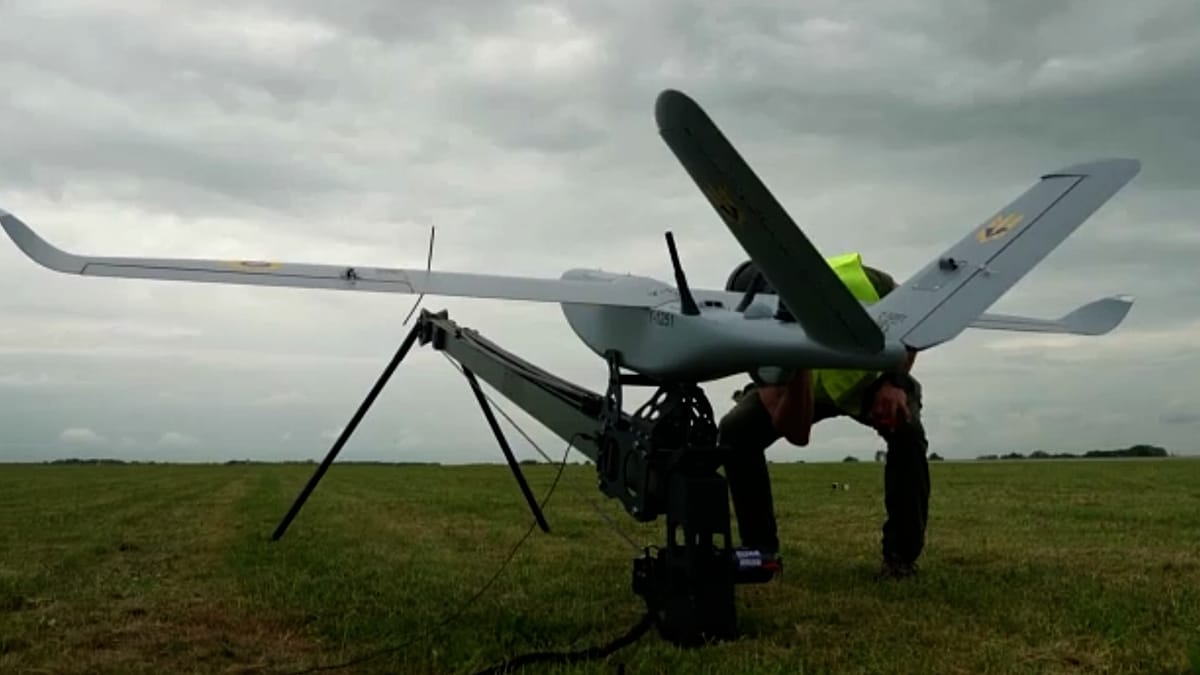
Counter-drone technology is taking center stage in Europe as nations grapple with the increasing threat posed by unauthorized drones. Recent developments have seen several European countries showcasing advanced systems designed to neutralize drone activities that pose risks to public safety and security. The initiative is part of a broader strategy to create what has been dubbed a ‘drone wall,’ aimed at countering potential aerial threats.

In the heart of this technological showcase, experts revealed that the systems can detect, track, and disable drones in real-time. These cutting-edge technologies are not just about interception; they also encompass a range of countermeasures, including signal jamming and physical interception. “The importance of these systems cannot be overstated,” said one official, highlighting the urgent need for such measures in today’s rapidly evolving security landscape.

You might be wondering, how did we get here? Just last year, incidents involving rogue drones disrupted major public events across Europe, sparking concerns about safety. The rise in drone usage for malicious purposes has led to a race against time for governments to develop effective countermeasures. Countries are now pooling resources and expertise to ensure they stay ahead of potential threats.

The technologies being unveiled are a collaborative effort from various defense contractors and tech companies, representing a significant investment in national security. “We’re seeing a shift in how defense is approached,” an industry insider noted. “It’s no longer just about conventional threats; we have to consider the skies above us too.”

Citizens are already feeling the impact of these advancements. In areas where these systems are implemented, residents report feeling safer and more secure. Imagine going to a concert or a public gathering without the worry of an unwanted drone hovering above. It’s a game changer for event organizers and attendees alike.

As Europe continues to develop its drone defense capabilities, the focus is also shifting towards international cooperation. Experts suggest that sharing technology and strategies can enhance the effectiveness of these systems across borders, creating a united front against drone threats. “We must work together; threats don’t recognize borders,” one security analyst remarked.

So, what’s next? The ongoing developments in counter-drone technology are expected to evolve rapidly, with new features and capabilities being tested. The question remains: will these measures be enough to keep the skies safe from potential threats? The world will be watching closely as Europe navigates this new frontier in aerial security.

Kaynak: Orijinal Haber

Transforming Food Waste into Tasty Delights: The Future of Cheese

Vayu Hill-Maini’s lab at Stanford University has made waves by creating a cheese-like product from food waste. Yes, you heard that right! This innova

Vayu Hill-Maini’s lab at Stanford University has made waves by creating a cheese-like product from food waste. Yes, you heard that right! This innovative bioengineer is diving deep into the world of fermentation, using fungi to turn what would typically be discarded into something delicious. “One of the most amazing things that we found recently is that we could take waste and add a few other ingredients in a fungal fermentation and create this delicious cheese that is like a Pecorino or Parmigiano,” he shares excitedly.

Now, let’s break it down. Fermentation is this biological magic trick where organisms convert carbohydrates, like starch or sugar, into other substances, such as alcohol, without needing oxygen. Most of us associate fermentation with baking or brewing, where yeast works its wonders on sugar. But hold on! It’s not just flour or barley that can do the job. There’s a whole slew of materials that can kickstart fermentation, scientifically known as substrates.

With cutting-edge biotech tools, companies are stepping up to transform food industry by-products that usually end up in the trash into valuable resources. Take for instance UK-based Fermtech. They’re turning cocoa shells, those often-overlooked leftovers, into a cocoa powder substitute. “If you were to sniff a bag of cocoa shells, you would be really struck by the intense chocolatey nature of it,” says Andy Clayton, Fermtech’s CEO. It’s a crying shame that these by-products are often composted or burnt, rather than harnessed by microorganisms that can break down the tough bits of the plant and make them digestible for humans while keeping those rich flavors intact.

And you know what? Tapping into a broader range of substrates can save cash, help our planet, and expand flavor profiles. “We’re kind of like flavour miners,” Clayton adds. Now, let’s talk about peas. Did you know that protein makes up about a quarter of a pea? That means the other three-quarters are just sitting there! According to Bosco Emparanza, the CEO of Spain’s MOA Foodtech, that leftover part is “a perfect substrate for fermentation.” His company is gathering data on environmental conditions and available substrates while sequencing the genomes of microorganisms suited for the food industry.

And get this: they’ve trained an AI to figure out the best combinations of substrates and microorganisms to maximize yields. Emparanza is pretty amazed at how fast this AI-driven fermentation design has evolved. “When we started the company, we were able to develop one bioprocess in two weeks,” he recalls. “Nowadays, the platform can develop 300 bioprocesses per hour.”

Thanks to this groundbreaking tech, MOA Foodtech is uncovering the best microorganisms to take advantage of leftover starch and fiber from the pea protein industry. Instead of being sold off cheap for animal feed or tossed aside, these by-products are getting a second chance in the human food chain. Over in Germany, MicroHarvest has developed a super-fast fermentation process using by-products from the sugar industry, like molasses, which many folks don’t even consume in Germany. Rather than letting sugar makers offload this to farmers for cow feed, MicroHarvest is teaming up with them and pet food producers to turn side streams into premium pet food.

Katelijne Bekers, the CEO and co-founder of MicroHarvest, describes their cat snack, Vegcat, as having an umami taste without the bitterness some plant-based proteins have. Meanwhile, Singapore’s Mottainai Food Tech is on a mission to employ unconventional and underappreciated ingredients that are not just nutritious but also widely accessible throughout Asia. The term “mottainai” comes from Japanese, expressing the sorrow of waste—think “waste not, want not.” They’ve crafted a meat substitute called Jiro Meat from okara, the soy pulp often tossed out after making tofu and soymilk. They’re also dabbling in a plant-based tuna project, experimenting with various microorganisms to minimize off-flavors while maximizing those sought-after flavor compounds like umami or sweetness.

Singapore has a very supportive atmosphere for such food experiments. “In five years’ time, we hope to be able to have a wide range of ingredients,” says Daryl Pek, a co-founder of Mottainai Food Tech, as they work with their fermentation platform. Back in Stanford, Hill-Maini’s lab is pioneering precision fermentation. This involves genetically engineering microorganisms, like molds, to produce specific materials through fermentation. Precision fermentation can fine-tune the aesthetics, aroma, flavor, and even digestibility of food.

Hill-Maini points out that some waste products are rich in cellulose, which humans can’t digest. But fungi can break down cellulose and turn it into protein as they grow. “They become kind of a bioconversion machine where they can remove those complicated molecules that the human gut cannot digest and convert them into more digestible substances,” he explains. Hill-Maini is keen on inspiring others to rethink food waste, but he’s not keeping this work locked away in the lab. They have a chef in residence and a culinary innovation kitchen to ensure that their food experiments are appealing to potential consumers.

Regarding the new Pecorino-like cheese, while the lab used a Neurospora mold, the specific waste they used as a substrate remains under wraps until they release their research paper. But Hill-Maini can’t contain his excitement about their creation. “You can grate it, it’s salty, it has a nice texture, it can be added to pasta. And it’s just really cool to see… the fermentation can help it become delicious.”

As we witness this remarkable shift in how we view food waste, one has to wonder—what other culinary surprises lie in the shadows of our discarded scraps?

Kaynak: Orijinal Haber

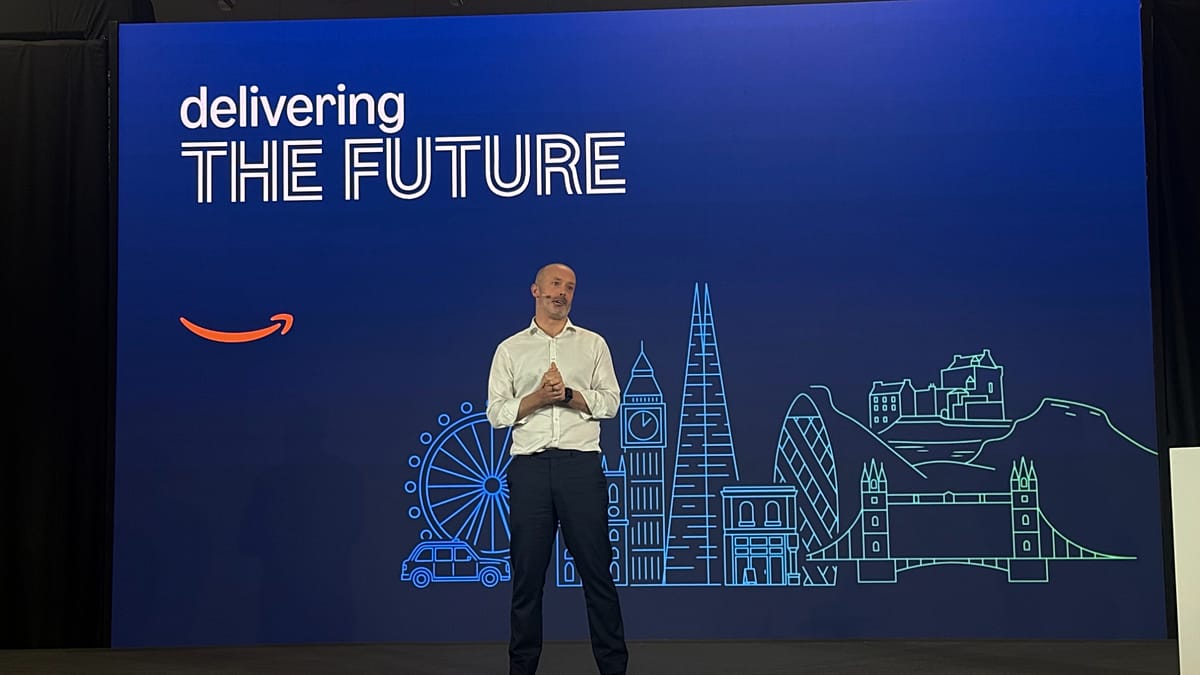
Amazon’s Bold Move: €10 Billion Investment and 25,000 New Jobs in Europe!

Amazon is making waves in Europe with a staggering €10 billion commitment that promises to create 25,000 new jobs and roll out warehouse robots ac

Amazon is making waves in Europe with a staggering €10 billion commitment that promises to create 25,000 new jobs and roll out warehouse robots across the continent. This massive investment comes as part of Amazon’s ongoing expansion strategy aimed at bolstering its logistics capabilities and enhancing customer service. The announcement was made in a press release that outlined ambitious plans for new fulfillment centers and delivery stations, ensuring that the tech giant can meet the growing demand for online shopping.

You heard it right! Amazon is not just sitting back; they’re stepping up their game. The new jobs will span various roles, from warehouse operatives to managerial positions, and are set to be scattered across key locations in Europe. Imagine 25,000 new faces joining the workforce, contributing to local economies, and creating opportunities that could change lives. This isn’t just about numbers—these are real people looking for work in a challenging economic landscape.

But wait, there’s more! Alongside the job creation, Amazon is also introducing advanced warehouse robots to streamline operations. These robots are designed to work alongside human employees, making tasks more efficient and reducing the physical strain on workers. It’s like something out of a sci-fi movie, but it’s happening right now in warehouses across Europe. The company is drawing plans to implement these technologies within the next few years, and you can bet that the excitement is palpable among tech enthusiasts and logistics experts alike.

Now, why is Amazon making such a bold move? Well, the company has been seeing unprecedented growth, especially since the pandemic pushed many consumers to shop online. They need to keep pace with this surge in demand—faster delivery times and improved customer satisfaction are crucial. By investing heavily in infrastructure and technology, Amazon is positioning itself to stay ahead of the competition. And let’s face it, with giants like Alibaba and local e-commerce players in the mix, they can’t afford to fall behind.

The investment isn’t just beneficial for Amazon; it’s a shot in the arm for the European job market, which has been struggling in the wake of economic downturns. Local governments and communities are likely to welcome this influx of jobs. The promise of new facilities can revitalize areas that have been hit hard, providing a much-needed economic boost. It’s a win-win situation for both the company and the regions involved.

As this story unfolds, many are left wondering what the future holds for Amazon in Europe. Will they continue to expand? How will this impact local businesses? And what about the workers—how will they adapt to the new technologies? These questions linger as the tech giant prepares to roll out its ambitious plans. One thing’s for sure: Amazon is not just a retailer; it’s a major player in shaping the future of work and commerce in Europe.

Kaynak: Orijinal Haber

AI Industry at a Crossroads: Clark Calls for a ‘Brake Pedal’ on AI Development

Anthropic co-founder Jack Clark has raised a critical alarm about the rapid development of artificial intelligence (AI), urging for a mechanism akin

Anthropic co-founder Jack Clark has raised a critical alarm about the rapid development of artificial intelligence (AI), urging for a mechanism akin to a ‘brake pedal’ to slow the technology’s advancement. Speaking with BBC Newsnight, Clark expressed concerns that AI is nearing a stage where it could evolve without any human oversight. “You want the option to be able to take your foot off the gas and put your foot on the brake,” he emphasized. Right now, he pointed out, the AI sector seems to be speeding ahead without any means to control its pace.

Clark stressed that it’s essential for society, through government policy, to maintain control over these increasingly powerful AI systems that could have far-reaching implications. “The world needs to do some thinking and we need to eventually develop some new regulations that allow us to be confident in these systems,” he stated. It’s noteworthy that Anthropic’s chatbot, Claude, is already operating on code that 80% was generated by the AI itself, and Clark indicated that reaching a full 100% self-generated code could happen within two years—an advancement that could have monumental consequences.

While he didn’t provide specific details on how to implement this ‘brake pedal’ for AI development, Clark likened the current situation to the oil boom of the early 20th century. “Society’s response was to come up with a sensible policy and regulatory framework that gave people confidence in oil and the benefits that oil could provide to the world,” he explained, suggesting that a similar approach should be taken with AI. Yet, interestingly enough, Anthropic recently welcomed an executive order from US President Donald Trump regarding AI, which was relatively permissive and did not mandate safety testing by the government. This raises eyebrows, especially since major AI firms, including Anthropic, OpenAI, and Google, have not hinted at pausing their research.

In just five years since its inception, Anthropic has seen explosive growth and is gearing up for a public stock market debut, potentially becoming one of the most valuable listings in history—valued at nearly $1 trillion. Clark clarified that their aim in discussing AI’s growing capabilities isn’t just to enhance their market appeal. “I simply want to tell the world what we’re seeing inside these companies with this unusual technology,” he said.

Clark and his colleagues at Anthropic have taken a stand on the potential risks associated with AI, even engaging in a public spat with the US Department of Defense over concerns regarding mass surveillance and autonomous warfare. “I am worried for my kids if we as a society don’t have a serious conversation about what the implications of AI’s continued advances mean,” he remarked, noting both the promising benefits and the substantial risks involved.

One significant concern is the economic disruption that may come from AI, particularly with AI agents—essentially individual bots that can perform routine tasks autonomously. Major tech companies have already laid off thousands of employees, often citing AI’s growing capability to perform tasks that used to require human software engineers. Despite these fears, Clark believes that individuals with creativity and innovative ideas may actually thrive in this evolving landscape. “There are open questions about whether AI systems can be truly creative… there is not really evidence for that yet,” he added.

For young people feeling displaced in an AI-driven economy, Clark advises them to “develop a hobby” and pursue a liberal arts education. “People that are creative and can think broadly, people that read a lot, people that have interests are the ones most benefited by this,” he encouraged. Meanwhile, Canada is laying out its roadmap for AI adoption over the next decade, including plans for large-scale data centers and a free AI literacy program, along with billions in funding.

As debates over AI’s future intensify, questions loom large: What regulations will emerge? How will AI reshape our workforce? It’s a pivotal moment, and the conversation is just getting started…

Kaynak: Orijinal Haber

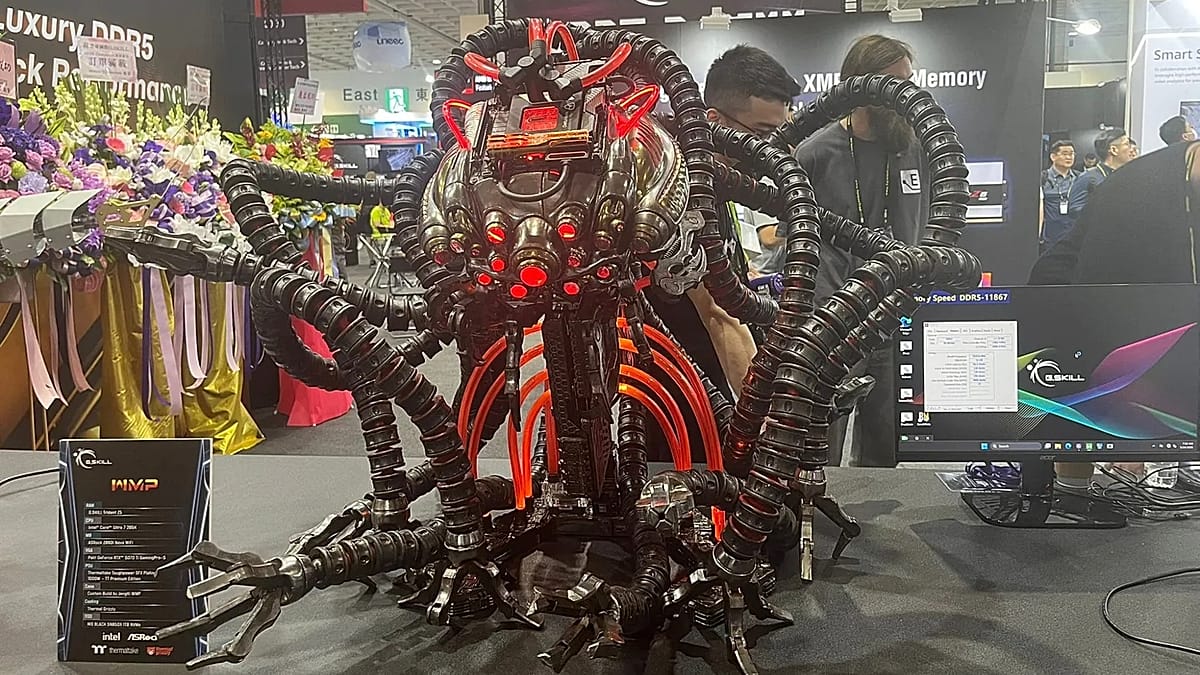
From AI Baristas to Military Drones: The Tech Marvels Unveiled at Computex 2026

At Computex 2026, the tech world has been turned upside down with an array of bizarre yet fascinating innovations, ranging from AI-powered baristas

At Computex 2026, the tech world has been turned upside down with an array of bizarre yet fascinating innovations, ranging from AI-powered baristas serving up coffee to military drones that redefine aerial combat. Picture this: robots whirring behind the counter, expertly brewing your morning cup while engaging you in small talk. That’s right, folks! These AI baristas don’t just serve drinks; they deliver a whole new experience, making your daily caffeine fix a tad more exciting.

But it’s not just the coffee shops getting a tech facelift. Over at the military tech section, we have drones that seem straight out of a sci-fi flick. These aren’t your average flying machines; they’re equipped with cutting-edge technology that allows them to execute complex missions autonomously. Imagine a drone that can strategize, analyze, and adapt to changing environments in real-time. Sounds like something from a movie, right? Well, it’s happening now!

The buzz around the show floor is electric, with attendees eagerly testing out the AI baristas. The robots respond to commands, remember your favorite drink, and even crack a joke or two. One visitor mentioned, “I didn’t just get my coffee; I had a whole interaction with the robot. It felt so… human!” And that’s exactly the point. These machines are designed to bring a touch of humanity into the automated world, making technology feel more accessible and less intimidating.

Meanwhile, the military drones are garnering attention for their potential to revolutionize defense strategies. Equipped with AI systems that can process data faster than any human could, these drones can operate in swarms, communicating with each other and adapting to threats with stunning efficiency. It raises an eyebrow or two about the future of warfare, doesn’t it? The implications are vast, and many are left wondering how this technology will reshape global security.

As the event unfolds, it’s clear that Computex 2026 isn’t just about showcasing new gadgets; it’s about pushing the boundaries of what technology can do. The intersection of AI and daily life, from serving coffee to combat, is a testament to how far we’ve come – and how far we still have to go. Will we see more of these innovations in our everyday lives soon? Only time will tell…

Kaynak: Orijinal Haber

Elon Musk: The Billionaire Who Could Become a Trillionaire

Elon Musk is making headlines almost every day, and it seems that the world might soon be calling him a trillionaire. The man behind SpaceX, Tesla, a

Elon Musk is making headlines almost every day, and it seems that the world might soon be calling him a trillionaire. The man behind SpaceX, Tesla, and X (formerly Twitter) has officially become the richest person on the planet. In October 2025, Musk became the first individual to reach a staggering net worth of over half a trillion dollars (£370.9 billion), as reported by Forbes. Just a month later, Tesla’s shareholders greenlit a groundbreaking pay deal that could potentially be valued at $1 trillion. With the anticipated public offering of SpaceX—which builds rockets for space exploration and operates xAI and Starlink—his wealth could soar to approximately $1 trillion.

But it’s not just his business accomplishments that keep him in the news. Musk is also notorious for expressing his views on various topics, particularly politics, through his social media platform. His influence expanded significantly in early 2024 following Donald Trump’s victory in the U.S. presidential election, where Musk played a pivotal yet controversial role. However, the relationship quickly soured, leading to a public feud that grabbed even more headlines. And it’s not just American politics that Musk has dabbled in; his comments about current events in the UK, Germany, and other European nations have sparked outrage among politicians overseas. Analysts have suggested that his political ventures may have negatively impacted Tesla’s sales, which suffered in 2025, partially due to customers turning against him.

Musk’s story begins in Pretoria, South Africa, where he demonstrated a knack for entrepreneurship from a young age. Alongside his brother, he sold homemade chocolate Easter eggs, and at just 12 years old, he created his first computer game. He has openly shared that his childhood was marked by challenges, including his parents’ divorce, bullying, and difficulties in social interactions attributed to Asperger’s Syndrome. Eager to leave home, Musk moved to Canada for college and eventually settled in the U.S., studying economics and physics at the prestigious University of Pennsylvania.

His first wife, writer Justine Musk, remarked in a 2010 essay that even before his wealth, Musk was a determined individual who “did not take no for an answer.” According to her, his competitive spirit did not wane even at home. Musk later dropped out of a physics graduate program at Stanford University to start two tech startups during the 1990s dot-com boom, which included a web software firm and an online banking company that eventually evolved into PayPal, sold to eBay for a whopping $1.5 billion (£1.2 billion) in 2002.

With the fortune he amassed, Musk launched SpaceX, aiming to create a cost-effective alternative to NASA, and took the helm at Tesla, where he became CEO in 2008 after chairing the board. Both companies are credited with revolutionizing their industries, even as they faced near financial collapse at times. In October 2022, Musk acquired the social media platform Twitter, now called X, with a vision to transform it into an “everything app.” However, the value of the platform has plummeted from the $44 billion he originally paid to an estimated $9.4 billion, with some companies severing ties due to concerns about the rise of hate speech on X during his tenure.

Musk has also ventured into the AI sector, initially investing in ChatGPT’s parent company before establishing his own firm, xAI, in 2023, with the lofty goal of “understanding the true nature of the universe.” In February 2024, he took legal action against OpenAI and its CEO, Sam Altman, claiming the organization he helped found strayed from its non-profit, open-source roots by aligning with Microsoft. Yet, a California jury dismissed his lawsuit in May 2026, citing that he had delayed filing it.

Journalist Chris Stokel-Walker describes Musk as someone who “leads by instinct,” raising questions about his long-term vision. Author Ashlee Vance has referred to him as a “confrontational know-it-all” with a significant ego, but also noted his awkwardness in public speaking and dancing. In the media, he has been labeled a mad genius and the biggest troll on X, drawing attention for his grand ambitions as well as ongoing legal troubles related to racial discrimination and the credibility of his claims.

Having been divorced three times, including twice from British actress Talulah Riley, Musk is candid about his flaws, stating, “If you list my sins, I sound like the worst person on Earth.” Despite these contradictions, he has amassed a remarkable fortune. As of October 2025, Musk’s net worth was estimated at around $726 billion, according to Bloomberg, putting him ahead of other tech billionaires like Google co-founders Larry Page and Sergey Brin, Oracle’s Larry Ellison, Amazon’s Jeff Bezos, and Facebook’s Mark Zuckerberg. If SpaceX’s shares float at the projected price of $135 per share, Musk’s net worth could rise to around $988 billion.

Tesla’s board has also approved a deal that could see Musk earning over $1 trillion if he meets ambitious targets in the next decade, such as increasing Tesla’s value eightfold and selling millions of AI robots and Tesla cars. In 2024, Musk found himself embroiled in a legal battle over a $56 billion pay package from Tesla. A Delaware judge initially rejected his claim, but in December 2025, the Delaware Supreme Court reinstated the package.

Musk, who proudly embraces the title of workaholic, often states that he is not in business merely to generate wealth. His friend Ross Gerber notes that Musk only engages with projects he deems critical for society or humanity. For years, Musk has shied away from political labels, identifying as “half-Democrat, half-Republican” and politically moderate. He has voted for Democratic candidates like Barack Obama and Hillary Clinton but has also supported Donald Trump, officially endorsing him for a second term in 2024 after Trump’s assassination attempt.

However, their friendship took a hit after a public disagreement over tax and spending legislation, leading to personal insults exchanged on their respective social media platforms. Musk announced his exit from the White House on May 28, 2025, and although the feud seemed to wane, it remains a hot topic. Musk has previously stated that he views his businesses as a form of philanthropy aimed at addressing significant human challenges, including climate change. Ironically, he has since moderated his stance on climate, tweeting that it is “real, just much slower than alarmists claim.”

As a prominent figure concerned about the potential dangers of super-intelligent AI, Musk has expressed worries that declining birth rates could lead to “not enough people” in the world. He is a father to 14 children—six with his first wife, three with Canadian singer Grimes, four with Shivon Zilis, and one with conservative influencer Ashley St. Clair. After the arrival of his twins with Zilis, he tweeted, “Doing my best to help the underpopulation crisis.”

Meanwhile, St. Clair, who revealed she had given birth to Musk’s child in February 2025, filed a lawsuit against his company xAI in January 2026 after the firm’s tool Grok was allegedly used to create sexualized deepfakes of her on X. The controversies surrounding Musk continue to unfold, and the world is watching closely.

Kaynak: Orijinal Haber

Spain’s Startup Scene Struggles with Funding Challenges and Talent Management

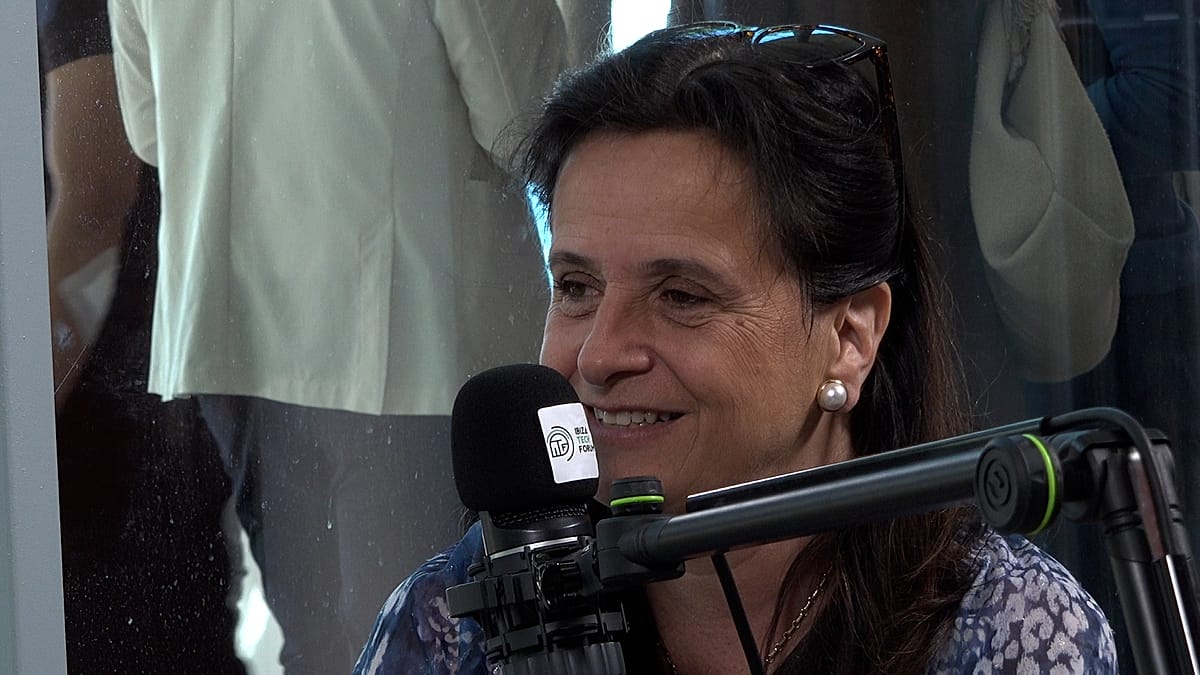
The startup ecosystem is facing a crucial reality check at the Ibiza Tech Forum 2026. Pilar Carrato, the Chief Financial Officer of the Centre for th

The startup ecosystem is facing a crucial reality check at the Ibiza Tech Forum 2026. Pilar Carrato, the Chief Financial Officer of the Centre for the Development of Technology and Innovation (CDTI), highlighted the pressing issues that startups in Spain encounter when seeking funding and scaling their businesses. At the forum, she emphasized that beyond the big ideas and technological disruptions, the real viability of any early-stage project hinges on its financial architecture and scalability potential.

Carrato, who has a wealth of experience in this area, pointed out that many startups make the fundamental mistake of lacking a strategic focus when it comes to capital acquisition. “They need to know what stage they are at and who they should be approaching, otherwise they are going to waste a lot of time,” she warned. This is crucial because private investors are not just hunting for a profitable business; they want models that can demonstrate a clear path toward scalability and profitability, often represented by that elusive J-shaped curve. This curve typically shows an initial dip in cash flow, accompanied by increased investments, followed by a surge in revenues without a parallel rise in operating costs.

When it comes to attracting backers, Carrato stressed three non-negotiable ingredients that can enhance a startup’s attractiveness: a multidisciplinary ecosystem, a clearly defined operational structure, and a commitment to solving real market needs. “Turning a local idea into a global one means moving beyond self-employment,” she explained, underscoring the need for distinct roles in technology, strategy, sales, and finance.

“Yahu, there are some brilliant ideas out there, but if they don’t address a real market need, the startup will fall by the wayside,” she added. This is an important point, especially in an era dominated by artificial intelligence. Founders must stay informed about similar solutions being developed globally; ignorance can undermine any pitch.

Carrato’s analysis revealed a significant bottleneck in the Spanish startup landscape: a logjam in exits. Many investors step into the scene but then find themselves trapped with no viable exit strategy. She attributes this issue to a cultural problem within Spanish companies. “Over the past two decades, barely ten startups have been acquired by major domestic corporations,” she noted. Unlike other markets, neither large corporate players nor Spanish pension funds are buying local technology, which ultimately “dries up” private investors who can’t recycle their capital back into the system.

To tackle this market failure, Carrato argues for the need to streamline regulations, provide tax incentives, and ease access to secondary markets. From her perspective as CFO, instilling discipline from day one is absolutely critical for a startup’s success. If milestones are poorly planned, founders may find themselves jumping from one funding round to the next, losing focus on their product.

Moreover, she warns that if a company’s initial corporate structure is poorly designed, it can obliterate the value of a great idea. “I know companies with good CFOs that have tripled their sales, and equally good products that disappear because they were financed the wrong way and their founders signed up for things they shouldn’t have,” Carrato said.

Given that Spain lacks the robust private financial muscle seen in other countries, Carrato advocates for blending resources. This is where the CDTI steps in to mitigate risk. “We provide a leverage effect. If you need 2 million euros and the private investor is only willing to put up one, the public sector can cover the rest,” she explained.

Her final words of wisdom for founders looking for funding this year are straightforward: they should carefully explore all options, ranging from CDTI grants to Enisa’s participatory loans and long-term support through instruments like ICO or Cofides. But she also issued a crucial caveat: “You need to be absolutely sure who you are marrying. Bringing a fund on board is a long-term marriage; it is vital to look closely at the terms you are signing to avoid parting ways in a traumatic divorce.”

Kaynak: Orijinal Haber