Portugal’s Groundbreaking Graphene Innovation Could Change Military Aviation Forever

Portugal is stepping up its game in the world of defense technology with a new material based on graphene, designed to make drones and military airc

Portugal is stepping up its game in the world of defense technology with a new material based on graphene, designed to make drones and military aircraft significantly less visible to radar. This innovative breakthrough could place Europe firmly in the running for stealth technology supremacy. The project is spearheaded by GTechPlasma, a spin-off from the Plasma and Nuclear Fusion Institute at Lisbon’s Instituto Superior Técnico. They’ve developed a plasma-based system that creates customized, high-quality graphene materials. Bruno Soares Gonçalves, co-founder of GTechPlasma, shared insights during an interview with Euronews, emphasizing the material’s ability to absorb electromagnetic radiation, including radar waves—a crucial feature for stealth applications.

Now, here’s the kicker; solutions like this are not just hard to come by, they’re also tightly controlled on an international scale. Gonçalves points out that while graphene is a sheet of carbon atoms just one atom thick, the method they use to produce it from sources like ethyl alcohol or methane through plasma technology allows for precise control at the atomic level. This means they can tweak the material’s properties for various applications, making it pretty versatile. Beyond just radar absorption, they’re eyeing uses for hydrogen storage and even separating rare earths and uranium.

One of the most significant applications? Making military aircraft nearly invisible to radar. Imagine the strategic advantage that comes from reducing a plane’s radar signature in a combat scenario! Gonçalves highlights this potential, stating that the technology is moving towards industrialization, with GTechPlasma’s devices currently cranking out 40 milligrams of high-quality graphene every minute. But wait, there’s more! The company plans to ramp up production and has already teamed up with an industrial partner to achieve this goal.

Plashene, another Portuguese company, is set to industrialize the graphene production machine, backed by Compete 2030 funding from Vila Viçosa. They’re also looking to forge more partnerships within the defense sector, having already delivered 260 grams of this radar-absorbing material to a local drone manufacturer. Right now, the graphene is produced as a lightweight black powder, but the ultimate goal is to create solutions ready for immediate application—think coatings or paints that can be directly applied to surfaces like drones.

The excitement doesn’t stop here! This innovation could catapult Portugal to the forefront of graphene-based stealth technologies, with applications that could extend well beyond the military sector. Just imagine the possibilities!

Kaynak: Orijinal Haber

Ford Brings Back Human Engineers as AI Fails Quality Tests

Ford has made a notable shift by rehiring over 300 human engineers after its artificial intelligence systems fell short in quality checks. The US aut

Ford has made a notable shift by rehiring over 300 human engineers after its artificial intelligence systems fell short in quality checks. The US automaker, which had eagerly incorporated AI into various operations to cut costs and enhance productivity, has now realized that the tech can’t quite match the skills and experience of seasoned professionals. This revelation comes amidst a backdrop of excitement surrounding AI’s potential, especially with Wall Street buzzing about its ability to improve profit margins.

Charles Poon, the vice president of vehicle hardware engineering at Ford, emphasized the importance of human expertise in a recent statement. He pointed out that while AI is a “fantastic tool,” it simply doesn’t have the training and depth of knowledge that veteran technicians possess. Many of these skilled workers had left the company before their invaluable insights could be harnessed to refine Ford’s technology. Now, these experienced individuals are being reintroduced to not only guide the AI systems but also mentor younger employees. Poon stated that to achieve top-notch quality, the company needed a significant refresh of talent — the kind that carries years of hard-earned wisdom and practical know-how.

In the past, Ford executives, including the company’s CEO Jim Farley, had been enthusiastic about AI’s promise. Just last June, Farley spoke about the transformative potential of AI in an interview with author Walter Isaacson. However, as it turns out, the AI-driven checks failed to meet expectations in identifying quality issues. During an October earnings call, Chief Operating Officer Kumar Galhotra highlighted the company’s strategy to deploy AI across its entire industrial system to pinpoint quality issues at their source and mitigate supply disruptions.

The realization that AI-driven quality checks were inadequate has led Ford to rethink its approach. External sources indicate that Poon underscored how automated tools lacked the nuance and expertise that come from years of hands-on experience. With the reintroduction of these veteran engineers, Ford aims to ensure that its systems are trained effectively while also providing guidance to the next generation of workers.

This development not only reflects Ford’s commitment to maintaining high standards in manufacturing but also serves as a reminder that while technology can enhance operations, the human touch remains irreplaceable. As the automotive industry continues to explore the balance between automation and human expertise, one has to wonder — what will be the next step for Ford and other companies grappling with the same challenges?

Kaynak: Orijinal Haber

Australia Raises Social Media Fines: A Bold Move Against Underage Accounts

Australia is on the verge of doubling the fines for social media platforms that fail to prevent children from creating accounts, a response driven by

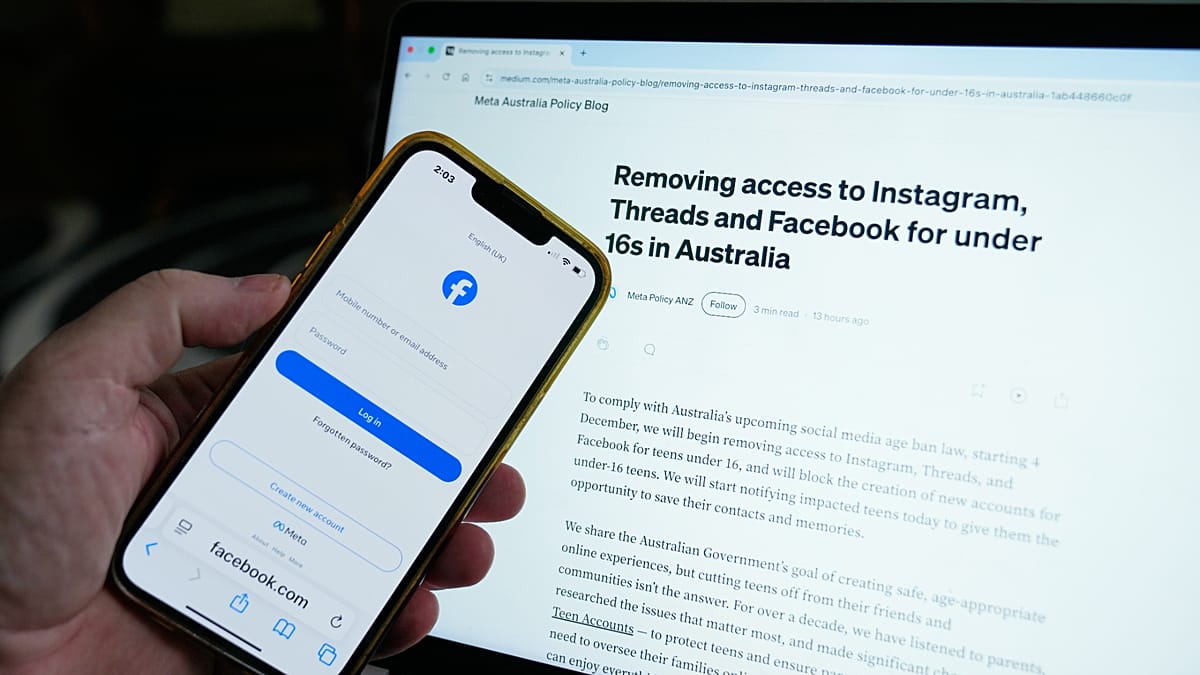
Australia is on the verge of doubling the fines for social media platforms that fail to prevent children from creating accounts, a response driven by alarming statistics. According to recent reports, a staggering seven out of ten kids have managed to stay on restricted platforms three months after a groundbreaking ban on under-16s came into effect. This ban, which became law on December 10, targets major players like Facebook, Instagram, Snapchat, and TikTok.

The government’s announcement came on a Sunday, with Communications Minister Anika Wells stepping up to take the platforms to task. Speaking to the Australian Broadcasting Corp, she didn’t hold back: “We’re not seeing improvements.” This clear message indicates that the initial legislation might have been too lenient. The eSafety Commissioner echoed these sentiments, suggesting that the legislation was poorly constructed from the start.

Parliament had passed this initial ban with overwhelming support back in 2024, giving the targeted platforms over a year to prepare for compliance. Yet, here we are, and the situation hasn’t changed much. Wells also revealed that since March, she has been receiving monthly updates from the online safety regulator, which highlighted the lack of progress on the platforms’ end.

Countries around the globe that are contemplating similar restrictions are keeping a close eye on Australia’s moves, curious about how these fines will play out. Will the new legislation be the wake-up call needed for these social media giants? Or will they continue to skirt the rules, leaving kids at risk?

As the government prepares to introduce draft legislation this week that could see fines soar to a whopping 99 million Australian dollars (around €63 million), one can’t help but wonder how platforms will react to avoid these hefty penalties. Will they finally take the steps necessary to protect our youth from the dangers lurking online?

Kaynak: Orijinal Haber

WhatsApp’ta Telefon Numarası Olmadan Sohbet Dönemi Başlıyor!

WhatsApp, kullanıcıların telefon numaralarını paylaşmadan iletişim kurmalarını sağlayacak yeni bir özellik üzerinde çalışıyor. Artı

WhatsApp, kullanıcıların telefon numaralarını paylaşmadan iletişim kurmalarını sağlayacak yeni bir özellik üzerinde çalışıyor. Artık, kullanıcılar birbirleriyle benzersiz kullanıcı adları aracılığıyla haberleşebilecek. Bu yenilik, dünya genelinde kullanıma sunulacak ve WhatsApp’ın, örneğin kullanıcıların kendilerini Donald Trump olarak tanıtması gibi komik durumlarla karşılaşması pek olası değil. Meta’nın sahibi olduğu bu uygulama, kullanıcı adlarını bir gizlilik özelliği olarak tanımlıyor. Alice Newton-Rex, WhatsApp’ın kullanıcılarının, özellikle grup sohbetlerinde, başkalarıyla iletişimde kalmak için telefon numaralarını paylaşmayı istemediklerini belirtti.

Bu yeni özellik, kullanıcıların telefon numaralarını gizli tutmalarına yardımcı olacak. Öte yandan, güvenli mesajlaşma uygulaması Signal, 2024 yılında benzer bir hizmeti tanıtmıştı. Oxford Üniversitesi’nden Carisa Veliz, “WhatsApp’ın gizlilik konusundaki geçmişi pek iyi değil,” diyor. Unutmamak gerek ki WhatsApp, gizlilik konusunda en kötü sicile sahip teknoloji şirketlerinden biri olan Meta’nın bir parçası. Ayrıca, önümüzdeki yıl 16 yaş altı sosyal medya yasakları uygulanmaya başlayacak.

WhatsApp, platformun başına Hindistan merkezli bir fintech girişiminin kurucusu Kunal Shah’ın geçeceğini duyurdu. Will Cathcart ise, yedi yıl süren görevinden ayrılacak. Bu değişimler, herkesin gizlilik kontrolünün arttığı ancak gizliliğin de giderek azaldığı bir dönemde gerçekleşiyor. Peki, WhatsApp nasıl para kazanıyor?

Bakalım, bu yeni özellik kullanıcıların hayatını nasıl etkileyecek? Sosyal medya dünyasında gizlilik konuları giderek daha fazla önem kazanıyor. Gelişmeleri yakından takip edeceğiz…

Kaynak: Orijinal Haber

Strawberry Moon Tonight: What You Need to Know About Its Real Appearance

Tonight, sky-watchers will be treated to a celestial event known as the Strawberry Moon. But, surprising as it may sound, this moon won’t be painted

Tonight, sky-watchers will be treated to a celestial event known as the Strawberry Moon. But, surprising as it may sound, this moon won’t be painted in shades of strawberry pink. Instead, it gets its name from the time of year it appears, coinciding with the strawberry harvesting season in North America. This full moon, occurring in June, is a reminder of the natural cycles that govern our world.

But hold on a minute, folks! Just because it’s called the Strawberry Moon doesn’t mean we’re in for a sweet, rosy spectacle. The moon will still shine bright and white, just like any other full moon. The name has historical roots, reflecting the tradition of naming full moons based on nature’s happenings, and not a color palette. So, if you’re hoping for a fruity-colored sky, you might be a little disappointed…

As the evening unfolds, the moon will rise, casting its usual glow over the landscape. If you’re in a clear area, make sure to step outside and take a look. It’s not just about the visuals, though; it’s about connecting with the rhythm of nature, feeling the cool breeze on your skin and perhaps even enjoying some strawberries while you’re at it!

In the coming hours, the moon will reach its peak brightness, lighting up the night sky and creating a picturesque scene for photographers and stargazers alike. So, grab your blankets, your loved ones, and maybe a few snacks, because this is a great opportunity to appreciate the simple beauty of our universe.

Will the sky be clear where you are? That’s the big question tonight! Keep your eyes peeled and don’t forget to snap some photos if you can. You might just capture the essence of what the Strawberry Moon represents: a blend of tradition, nature, and a little bit of magic.

Kaynak: Orijinal Haber

South Korea’s Bold $1 Trillion Investment to Secure Chip and AI Future

South Korean President Lee Jae-myung has just announced a monumental plan for around $1 trillion (£760 billion) to ramp up the nation’s technologi

South Korean President Lee Jae-myung has just announced a monumental plan for around $1 trillion (£760 billion) to ramp up the nation’s technological prowess. This isn’t just pocket change; it’s all about launching the so-called Three Mega Projects designed to create new chip production hubs, data centers, and robotics technology across the country. Lee made this declaration during a high-profile televised event on Monday, flanked by the bigwigs from Samsung and SK Hynix, where the country’s advanced manufacturing is already concentrated. The goal? To breathe new life into the economies of regions outside of Seoul, the capital that often hogs the limelight.

Why now? Well, it turns out that regional competitors like Taiwan, China, and Japan are throwing heaps of cash into similar ventures, especially as the AI market skyrockets the demand for semiconductors. Lee didn’t mince words, describing this project as a matter of “survival.” He emphasized the urgency to break the long-standing cycle of discrimination and marginalization that many areas have faced, pushing for sustainable and inclusive growth across the board.

This announcement comes on the heels of a surge in South Korea’s stock market valuation, which topped $1 trillion in May, largely due to the AI boom and the rising demand for data centers. But hold on, it’s not all sunshine and rainbows. The global shortage of semiconductors has driven prices through the roof! Just last week, tech giants like Apple and Microsoft had to hike prices on some of their devices because of the soaring component costs. You hear that? It’s a wild ride out there!

Investors, however, are starting to voice concerns about the sheer amount of money flowing into AI technologies, and some stocks have taken a hit in recent days. Amidst this frenzy, we’re seeing the creation of two new members of the $1 trillion club, thanks to the booming demand for AI chips. It’s a high-stakes game, especially for Japan, which is trying to transform its “island of flowers” into a global chip hub.

So, what’s next for South Korea’s ambitious plans? Only time will tell how this investment will reshape the tech landscape and whether it can hold its ground against competitive global players. It’s a massive gamble, but one that the country believes is essential for its future.

Kaynak: Orijinal Haber

Tech Giants Blame AI for Soaring Prices of Consoles and Devices!

Tech consumers are facing a shocking reality: the days of relying on decreasing prices for older gadgets seem to be long gone. Apple and Microsoft a

Tech consumers are facing a shocking reality: the days of relying on decreasing prices for older gadgets seem to be long gone. Apple and Microsoft are in the spotlight, struggling to gain sympathy from buyers who are reeling from the staggering costs of barely-new electronics. Apple, for instance, has hiked the prices of its tablets and laptops by nearly 20%. Following hot on Apple’s heels, Microsoft announced that it would once again increase the price of its Xbox Series S and X consoles by at least $100, or about £75.70. This marks the third price adjustment in just over a year, pushing the cost of a new console up by a staggering 30% to 40% compared to this time last year. One user on social media reacted to these price hikes, saying, “My favorite hobby is cooked… might as well just cancel” their upcoming console Helix, lamenting that no one will be able to afford it. After the price announcement, Microsoft’s stock took a tumble.

Yang Wang, a principal analyst at Counterpoint Research, described the situation as a “memory crisis.” While the iPhone has, so far, avoided price increases, Wang pointed out that premium phone makers like Apple and Samsung are better positioned to navigate these disruptions. Valve has also entered the fray, launching its new Steam Machine gaming PC at a higher-than-expected price, explaining that rising component costs necessitated this change. Earlier, Valve had already raised the cost of its handheld Steam Deck by 40% due to similar reasons. Apple’s recent announcement highlighted “unprecedented challenges,” with a new budget-friendly line of Neo laptops also receiving price hikes this week.

Once an affordable component, RAM prices have more than doubled from October 2025 to early 2026, according to Danni Hewson, head of official analysis at investment firm AJ Bell. This surge in demand is allowing major chip manufacturers like TSMC to raise their prices. Memory kits like DDR4 and its successor, DDR5, have seen dramatic price increases as well. Counterpoint Research noted that the price of some 32GB DDR5 components for PCs shot up from $94 in the three months leading to September 2025 to $127 in the following quarter. By the first quarter of 2026, these components had skyrocketed by 122% to $282. The prices of DRAM, which provides short-term memory for real-time tasks, and flash memory, which retains data when devices are powered off, have continued to climb.

The demand for memory chips has created a shortage, with the supply chain struggling to keep up. Some big tech firms, like Microsoft, are caught in a dual role—investing billions in AI infrastructure while also selling consumer products like the Xbox. However, the memory shortage and price increases are exacerbated by inflation and geopolitical tensions, as suggested by some analysts. When Sony announced further price hikes for the PS5 in the UK and globally, they cited rising RAM prices and inflation linked to geopolitical events, including the war in Iran. Piers Harding-Rolls from Ampere Analysis remarked that these inflationary pressures, particularly due to the blockade in the Strait of Hormuz, might lead to further price increases for consoles.

Critics are not holding back, especially with tech giants raking in billions annually while hiking product prices. Prominent US Senator Bernie Sanders has spoken out against what he calls corporate greed, expressing concern over Apple’s price increases. Neil Shah, VP of research, anticipates a “constrained supply situation,” and even though improvements in the industry supply may come gradually by 2028, there’s no clarity on when memory supply will catch up with rising demand. Major chipmaker Micron doesn’t rule out further price hikes as costs rise. Nintendo has also apologized after announcing a price increase for its Switch 2.

With all these price hikes, consumers are left wondering: how much more can they take? The landscape is shifting rapidly, and it’s clear that the tech industry must grapple with these new realities. What will happen next? We’re keeping a close eye on developments as they unfold…

Kaynak: Orijinal Haber

Don’t Let Your Gadgets Sizzle: 5 Ways to Keep Them Cool This Summer

As the mercury rises, it’s not just us humans who are feeling the heat — our beloved gadgets, like laptops and smartphones, are also at risk of

As the mercury rises, it’s not just us humans who are feeling the heat — our beloved gadgets, like laptops and smartphones, are also at risk of overheating. The sweltering summer sun can turn your device into a hot potato if you’re not careful. Here’s how to keep your technology chill as we sizzle through these hot days.

First off, let’s talk about the basics: keeping your devices in the shade is key. I mean, it sounds simple, right? But you’d be surprised how many folks just plop their phones on a table while they’re out with friends, or whip them out for a quick scroll in the blazing sunlight. Listen, even a few minutes of direct sun can turn your phone into an oven!

Now, I know what you might be thinking — “Hey, why not just toss my phone in the fridge?” Well, hold on a second! While it might seem like a cool idea, putting your gadgets in the fridge or freezer can actually do more harm than good. We’re talking thermal shock, which can crack your device, and those poor batteries? They won’t take kindly to that kind of treatment. Plus, fridges are humid, and we all know gadgets and water don’t mix well.

So what can you do to keep both yourself and your devices cool? Running a fan or cranking up the AC can work wonders. Block those sunny rays by closing curtains, and hey, hanging up your laundry can even help cool down your space. Just think of it — the same tricks that help you feel cooler will do wonders for your electronics too.

And here’s a tip: don’t push your devices too hard when the temperatures soar. Just like you wouldn’t want to run a marathon in this heat, your gadgets can’t handle the strain either. Streaming videos, gaming, or even running AI can heat things up fast. Charging and the brightness of your screen also play a part in how much heat your device generates. So, be smart about what you’re doing on your phone or laptop. Maybe even switch on battery saver mode to limit those apps that are draining the life out of your device.

Taking breaks is important too! Just like a refreshing sip of water is great for you, your devices need a breather now and then. And let’s not forget about those layers. Just like we peel off a few layers of clothing to cool down, your gadgets can benefit from less bulk. Those cases and covers can block airflow, so if you’re feeling brave, maybe give them a little rest — just don’t drop your phone while it’s naked!

So, as we navigate through this heatwave, let’s keep our tech cool and collected. Remember, keeping your devices safe is just as important as staying cool yourself. Will you take these tips to heart, or will you risk frying your favorite gadget? The choice is yours!

Kaynak: Orijinal Haber

Station F Turns Nine: The Startup Hub Faces Election Anxiety in France

The world’s largest startup incubator, Station F, located in Paris, is celebrating its ninth anniversary this week. Since opening its doors in 2017

The world’s largest startup incubator, Station F, located in Paris, is celebrating its ninth anniversary this week. Since opening its doors in 2017, it has worked with over 9,000 startups, giving rise to notable names like Hugging Face, Pasqal, and Pollen Robotics. Now, as Europe’s tech ecosystem matures, the atmosphere is rife with tension, especially with the upcoming elections casting a shadow over its future.

From a disused railway station to a buzzing hub, Station F has become essential in the startup world. They’ve seen a significant shift in their resident demographics too. The average founder is now 36.5 years old, an increase from 31 in 2018, and one in five holds a PhD. It’s clear that the era of the “drop out and disrupt” culture is fading; the entrepreneurs here come with real-world experience, often requiring deep technical expertise to secure funding. Did you know that half of the founders here expect their startups to end up being acquired? The dream of an IPO has dwindled, with only 9% of them believing they’ll ever go public, a drop from 16% last year.

Interestingly, about a third of Station F’s residents hail from outside France. Right now, over 60 nationalities call this vibrant campus home, with the U.S. leading the foreign contingent, followed by Morocco, Germany, the U.K., Algeria, and India. Station F emerged at a time when President Emmanuel Macron was elected, signaling a pro-business era. Fast forward nine years, and the mood is notably different as another election looms.

More than half of the founders express that the upcoming election is a pressing concern. Among those, 47% are anxious about a potential far-right outcome, while 24% fear the far-left. The heart of the worry? Anti-immigration policies. With one in three individuals on campus being from abroad, the prospect of tighter borders and stricter visa regulations could jeopardize their ventures. As Station F puts it, “A strong change in immigration policy is seen as one of the biggest threats to building a global or competitive business.”

So here we are, nine years in. Station F has grown larger and more technically adept than ever before. Yet, the uncertainty looms heavy over what’s to come. Will the upcoming election bring forth policies that hinder the innovative spirit of this startup haven? Only time will tell…

Kaynak: Orijinal Haber

GTA 6 Launches Without a Disc: What This Means for Gamers

Rockstar has made a significant announcement that has left many gamers scratching their heads. The highly anticipated Grand Theft Auto 6, set to laun

Rockstar has made a significant announcement that has left many gamers scratching their heads. The highly anticipated Grand Theft Auto 6, set to launch on November 19 for PlayStation 5 and Xbox Series S and X, will not come with a physical disc for those opting for the physical edition. Instead, players will receive a box containing merely a code for a digital download. When pre-orders went live this past Wednesday, reactions ranged from confusion to outright shock among fans who thought they would at least get a disc to hold in their hands.

This shift away from physical discs marks a major change in the gaming landscape. Once upon a time, video games came packed with physical goodies like manuals, maps, and collectible items. Those days are mostly behind us, but up until now, gamers could still count on one solid piece of hardware—the disc itself. Now, with digital sales making up the bulk of game revenue, the trend is clearly heading towards an online-only future. Mat Piscatella, a senior director and video game industry advisor at Circana, pointed out that more than a quarter of PS5 consoles are already devoid of physical disc drives, which means a large portion of gamers won’t even blink at the absence of a disc.

Many gamers, like content creator Alogirlx from Canada, are unfazed by the news. “Whether there’s a physical disc or not it doesn’t really change anything for me,” she stated during an interview. This sentiment reflects a growing acceptance among players who have adapted to the digital download culture, especially as physical game sales hit an all-time low.

But let’s be real here… the absence of a disc isn’t just a minor inconvenience. It signifies a broader shift in how we view ownership in gaming. With publishers gaining more control over the software we buy, some gamers are starting to feel uneasy. As Ross Scott, founder of the consumer rights movement Stop Killing Games, mentioned, “The problem is the industry has a very poor reputation of disabling games once they end support.” This raises questions about trust and the longevity of digital purchases.

Interestingly, Rockstar isn’t alone in this move. Companies like Nintendo are also leaning towards digital distribution, introducing Game-Key Cards that act as keys for downloads instead of containing the game itself. This trend is only expected to grow as gamers become more accustomed to downloading their titles rather than buying physical copies.

On a related note, Rockstar’s decision to go disc-less is likely influenced by their previous experiences with data leaks. Chris Scullion, deputy editor of Video Games Chronicle, suggested that ensuring content isn’t easily ripped from a physical disc might be a way to protect their intellectual property, especially given that GTA 6 has already faced delays.

Retailers are reacting to this shift in various ways. While some, like Lootbox Gaming in Delaware, have chosen not to stock the game, others are calling for a physical disc version. PNP Games, an online retailer with three stores in Winnipeg, even launched a petition asking Take-Two, Rockstar’s parent company, to consider releasing a physical version.

As we approach the launch date, the community is buzzing with mixed feelings. Many gamers who planned to attend the launch in person are now settling for digital versions, although there’s still hope for some tangible memorabilia. One fan expressed a desire for more than just a code, longing for the iconic cover art or even a manual—a cherished part of the GTA experience.

So, what does this all mean for the future of gaming? Are we witnessing the end of physical ownership, or will companies find a way to balance digital convenience with the nostalgia of physical media? Only time will tell…

Kaynak: Orijinal Haber