Lima Grand Prix’de Judo Dünya Turu’nda Tarihi Anlar!

The Lima Grand Prix witnessed an unforgettable day filled with firsts as judokas from around the globe stepped onto the tatami to compete fiercely.

The Lima Grand Prix witnessed an unforgettable day filled with firsts as judokas from around the globe stepped onto the tatami to compete fiercely. This event, held in the vibrant capital of Peru, not only showcased exceptional talent but also marked significant milestones for the participants.

In a thrilling series of matches, athletes pushed their limits, showcasing their skills and determination. The crowd was electrified as local hero Maria Garcia claimed her first Grand Prix gold medal, defeating Brazil’s Ana Silva in a nail-biting final that left everyone on the edge of their seats. Garcia’s victory was more than just a personal achievement; it represented a significant moment for Peruvian judo on the world stage.

But that wasn’t the only highlight of the day. A total of 15 countries participated, with first-time competitors experiencing the thrill of international judo. The atmosphere was charged, with fans cheering passionately for their favorites. “You could feel the energy in the air,” said one spectator. “It was inspiring to see so many athletes giving it their all.”

Another notable event was the debut of the mixed team event, which added a new dynamic to the competition. Teams from various nations displayed incredible teamwork and strategy, culminating in a final that had everyone talking. The excitement was palpable, and the mixed team event is expected to become a staple in future tournaments.

Judokas weren’t the only stars of the day; the organization and execution of the event were top-notch. Volunteers and officials worked tirelessly to ensure everything ran smoothly. “It takes a village,” commented one organizer. “We’re proud to showcase Lima and judo to the world.”

As the day wrapped up, the athletes left with not just medals but also stories of perseverance and camaraderie. With the Lima Grand Prix proving to be a resounding success, the question on everyone’s mind is: what will the next event hold? The judo community is buzzing with anticipation for future competitions, eager to see how these firsts will shape the future of the sport.

Kaynak: Orijinal Haber

Maersk and Hapag-Lloyd Revive Suez Route, But Full Return Still Distant

Shipping giants Maersk and Hapag-Lloyd have made a significant move by reinstating a major Asia-Europe container service through the Suez Canal, a c

Shipping giants Maersk and Hapag-Lloyd have made a significant move by reinstating a major Asia-Europe container service through the Suez Canal, a crucial step in the gradual revival of shipping along this vital route. The AE19 service, which operates under the companies’ Gemini Cooperation, links Asia, the Mediterranean, Saudi Arabia, and Europe. Up until now, it had been taking the longer route around the Cape of Good Hope. This change was announced on Monday and took effect immediately, kicking off with the westbound journey of the Berlin Maersk. Hapag-Lloyd informed Euronews that this switch to the AE19 is expected to cut transit time by nearly four weeks compared to the lengthy journey around Africa.

The decision to return to the Suez route comes after a careful evaluation of security conditions in the Red Sea, according to Maersk. However, Hapag-Lloyd was quick to clarify that this is just a “targeted adjustment for one selected service, not a broad return to the network.” Future routing decisions will hinge on security, operational viability, and customer impacts. Interestingly, Maersk also revealed that AE19 is just one of four services it has transitioned from the Cape of Good Hope to Suez since early July, with the others being AE15, MECL, and WAF6.

But hold on! While this is good news, it doesn’t mean that all services will rush back to Suez. Nine additional services could potentially benefit from the Red Sea and Suez route but are still taking the longer path around Africa. That’s a lot of ships stuck in the slow lane… Shipping analysts caution against interpreting the return of these few services as a signal of a wider resurgence in Suez traffic. Simon Heaney, a senior manager for container research at maritime consultancy Drewry, pointed out that the pace of recovery is intricately linked to the ongoing Strait of Hormuz crisis and broader conflicts in the Middle East. “While those issues remain unresolved, we don’t foresee a meaningful return of Asia-to-Europe loops via Suez,” he emphasized.

Even if security improves, it’s unlikely that shipping companies will revert all their services to Suez in one fell swoop. Heaney noted that a gradual return is more probable, starting with routes from Europe carrying lower-value cargo. Carriers will want to be sure that hostilities won’t resume before they commit more valuable shipments to this route. Plus, there’s a commercial angle to consider. Going around Africa means needing more ships since each journey takes longer. If a lot of services switch back to Suez at the same time, those ships would be freed up just as carriers are welcoming a large influx of new vessels. “Carriers have to manage capacity wisely due to the large number of new ships being delivered,” Heaney added. “Shortening rotations en masse will cause rates to plummet.”

For European importers, this piece-meal return to Suez means that the advantages are unlikely to come all at once. A few restored services might provide shorter journeys on select routes, but don’t expect normal transit times across the entire network to bounce back immediately. The Suez Canal is the quickest maritime link between Asia and Europe, bypassing the much longer trip around the Cape of Good Hope. The detours have racked up time and fuel costs for voyages, while also depriving Egypt of a crucial source of foreign currency. The Suez Canal Authority has been persistent in its efforts to lure shipping companies back. In June, Admiral Osama Rabiee, the chairman of the authority, mentioned that shorter transit times and operational savings were key factors attracting some of the world’s largest container vessels back through the canal.

This comeback was highlighted when the CMA CGM Vendôme, capable of carrying 24,000 twenty-foot containers, passed through Suez on a route between Asia and northwestern Europe. This was the first southbound transit of the FAL 3 service through Suez since January. According to the authority, vessels from France’s CMA CGM made 104 trips through the canal between January and May, carrying a total tonnage of 12.5 million tonnes. While the return of several services hints at a revival of traffic through Suez, both Hapag-Lloyd and Drewry caution that AE19 does not yet herald a broader return.

Görünüşe göre, gelişmeler devam edecek… Bakalım bundan sonra ne olacak?

Kaynak: Orijinal Haber

Jason Arday: Plagiarism Controversy Ends in Tragedy as Ex-Cambridge Professor Found Dead

Jason Arday, the former University of Cambridge professor embroiled in a plagiarism controversy, has been found dead. Emergency services reported fi

Jason Arday, the former University of Cambridge professor embroiled in a plagiarism controversy, has been found dead. Emergency services reported finding a man unresponsive at a residence in Battersea on Friday. The family, in a statement, expressed their deep sorrow over his passing. Earlier that day, police were called to the scene by the London Ambulance Service. The Metropolitan Police confirmed the situation, leaving many in shock.

Prof. Deborah Prentice, the vice-chancellor of Cambridge University, shared her condolences, saying, “Our heartfelt sympathies go to Jason Arday.” Education Secretary Lucy Powell also expressed her sadness, stating she was “deeply shocked and saddened” to learn of his death, calling for understanding during this difficult time. Arday, 41, had consistently denied accusations of plagiarism but admitted to errors in his work. Just last week, he mentioned that the ongoing scrutiny related to his academic contributions had led to significant personal distress.

The plagiarism row initially erupted after another academic, self-defined as a “race realist,” scrutinized Arday’s work. In his defense, Arday noted that some of the mistakes in his earlier academic projects stemmed from his autism, claiming he often relied on mimicry to process information. “We’re talking about academia here. I didn’t murder somebody,” he told the Times newspaper earlier this month, expressing the emotional toll the accusations had taken on him.

A former colleague revealed they spoke with Arday on the morning of his death, highlighting how the scrutiny had become “too great” for him to bear. The relentless speculation and public commentary had taken a profound toll not just on him but also on his loved ones. He emphasized that his resignation from Cambridge should not be seen as an admission of guilt.

Cambridge University initially acknowledged the concerns surrounding Arday’s appointment, stating, “I fully understand the concerns being raised across the university and well beyond it.” They later expressed their grief over his death, calling it “a tragedy.” Speaking on BBC Newsnight, Kehinde Andrews, a professor of Black Studies and friend of Arday, described him as “very down” after resigning. He noted that Arday had lost a considerable amount of weight and had been reluctant to leave the house.

Arday, a former physical education teacher, had earned his doctorate at Liverpool John Moores University and went on to become an associate professor at Durham University before being appointed as a professor of sociology of education at the University of Glasgow. Both Glasgow and Durham Universities expressed their shock and sadness at the loss of their former colleague.

Just last weekend, Arday had to cancel an event promoting his memoir titled “Great And Unfortunate Things,” which had been set for release in the UK. The book, which shares his incredible journey from being non-verbal until age 11 and unable to read or write until 18, has been described as a tale of “improbable triumphs and heartbreaking setbacks.”

With Arday’s passing, many are left wondering about the implications for academic scrutiny and how it affects individuals in the field. The tragic end of Jason Arday raises questions about the balance between accountability and compassion in academia.

Kaynak: Orijinal Haber

Temporary Ban on Disposable BBQs Amid Wildfire Crisis in the UK

Disposable barbecues have been temporarily banned across England, Scotland, and Wales due to the alarming risk they pose in the face of a severe wild

Disposable barbecues have been temporarily banned across England, Scotland, and Wales due to the alarming risk they pose in the face of a severe wildfire crisis. The ban comes as the country grapples with a record number of wildfires, which have already led to the destruction of numerous homes, particularly in the West Midlands. Fire crews have been on high alert, responding to multiple incidents, including a significant blaze in Llandovery, Carmarthenshire, where dozens of homes were evacuated and roads were shut down.

In Hampshire, firefighters have been battling a wildfire in the New Forest for over a week, showcasing the ongoing struggle against these devastating blazes. Just last Thursday, Norfolk Fire and Rescue Service responded to sixteen emergencies, including a fire that broke out at Mousehold Heath. With conditions worsening, a nationwide alert was issued, warning citizens of a “very high risk of wildfires,” emphasizing that disposable barbecues, fire pits, garden incinerators, and fireworks cannot be deemed safe under the current climate.

Business Secretary Jonathan Reynolds has stated that the measures are critically needed, echoing concerns from Prime Minister Matt Chorley, who emphasized the danger posed to lives and homes. “Please don’t do it,” he urged the public, acknowledging the significant risks associated with disposable barbecues. The situation is dire, as the UK faces a changing climate that is leading to increasingly severe weather events.

Environmental advocates have pointed out that the conditions this summer mirror warnings from climate scientists, indicating that human-induced climate change is driving more frequent and intense heatwaves, as well as potential summer droughts. In fact, the Rugby Football Union has even delayed the start of the community rugby season due to concerns about player welfare amidst these drought conditions.

As the hottest day of the year struck on Thursday, residents found themselves fleeing their homes as fires spread rapidly through the dry grass, causing chaos and panic. The West Midlands Ambulance Service reported treating 54 casualties at eight different fire sites, with nineteen individuals requiring hospitalization. Just a few years back, in 2025, fire and rescue services in England and Wales responded to nearly 1,000 wildfires, highlighting the growing risk and severity of such incidents due to climate change.

The question now is: How will authorities continue to tackle this escalating crisis? Will the ban on disposable barbecues lead to long-term solutions, or is it merely a temporary measure in an ongoing battle against wildfires?

Kaynak: Orijinal Haber

Tech Giants Share Their AI Visions: What’s Behind the Manifestos?

Mark Zuckerberg, the CEO of Meta, recently joined the ranks of tech leaders who are rolling out their grand visions for artificial intelligence (AI)

Mark Zuckerberg, the CEO of Meta, recently joined the ranks of tech leaders who are rolling out their grand visions for artificial intelligence (AI). Last week, he published a sprawling 6,500-word open letter titled “The Future is for Everyone.” To some, this lengthy piece is a beacon of hope, highlighting the transformative potential of AI. However, for others, it appears to be yet another tech executive’s manifesto on why AI is set to revolutionize our lives. Zuckerberg’s vision closely mirrors that of other AI leaders who claim that the technology they’re developing is among the “most important technologies in history.”

Now, don’t get me wrong—Zuckerberg is no stranger to writing long essays. Remember when he tried to pivot to the metaverse back during Trump’s presidency? But this time, the stakes seem higher. As economics blogger Noah Smith puts it, “I think they all feel like it’s such an important moment.” Zuckerberg’s manifesto kicks off with him addressing misinformation circulating about AI, urging his readers to stand against fear-mongering narratives. He writes, “I do not understand why anyone who believes that AI will eliminate most jobs and much of humanity’s relevance would rush to build that future.”

But wait, there’s more! In 2024, Sam Altman, the head honcho at OpenAI, also got in on the action with his own manifesto. Called “The Intelligence Ages,” it promises that human progress is about to accelerate dramatically. “We need to act wisely but with conviction,” he declared, echoing the optimistic tone that Zuckerberg seems to be pursuing. Anthropic’s Dario Amodei has also jumped into the fray with a manifesto titled “Machines of Loving Grace,” aiming to carve out his own vision for AI.

The frequency of these manifestos isn’t just a coincidence; they serve a dual purpose. Not only do they aim to position their authors as thought leaders in the crowded marketplace of ideas, but they also reflect the increasing angst surrounding AI technologies. As rising concerns about AI dominate social media discussions, these executives are scrambling to assert their perspectives. “It’s a way of showing how smart you are,” said Lalka. The timing of Zuckerberg’s letter, particularly amid growing frustration over AI’s corporate spending and advancements, only amplifies this urgency.

And let’s not forget the open-source market, which is currently buzzing with Chinese AI models like Qwen, DeepSeek, and GLM. With the likes of Google’s Llama and tools from Mistral AI in the mix, the competition is heating up. Zuckerberg even raises a provocative question: “Should we open-source something that has the ability to kill humanity?” If that doesn’t get your attention, I don’t know what will!

So, what does this all mean for the average person on the street? As discussions around AI continue to evolve, the question looms: will these optimistic manifestos lead us into a brighter future, or are we just being sold another tech dream? It’s certainly a conversation worth having as we all navigate this rapidly changing landscape…

Kaynak: Orijinal Haber

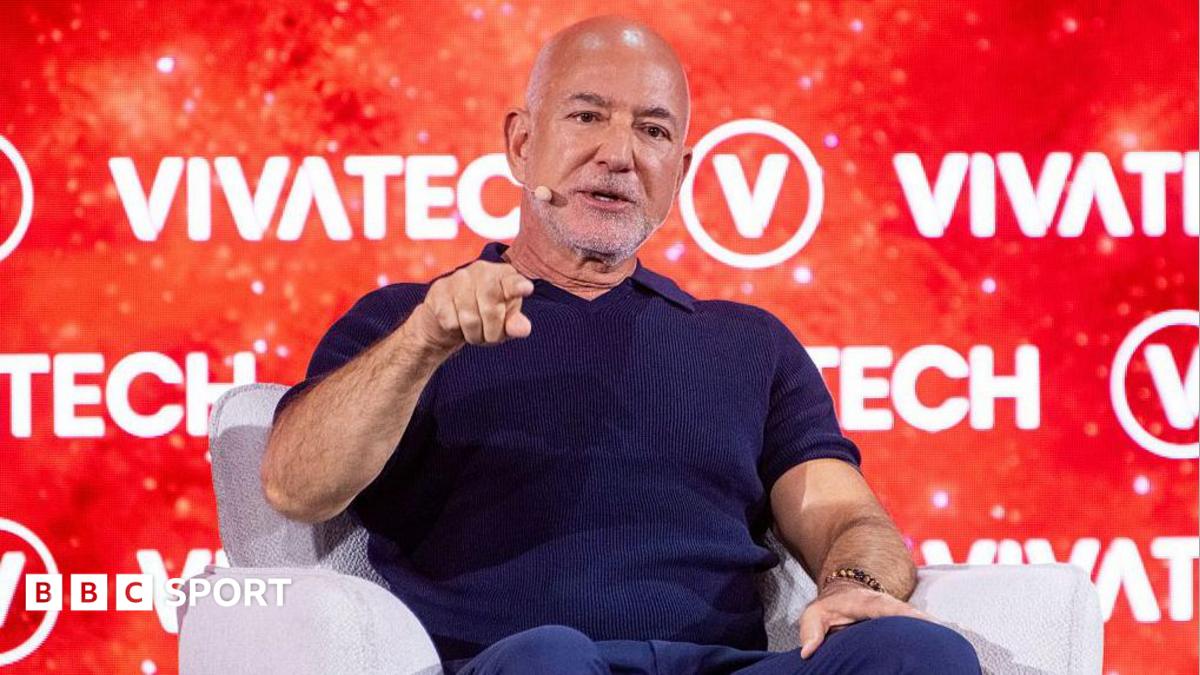
Jeff Bezos’un Konsorsiyumu Liverpool’un Üçte Birini Satın Aldı!

Liverpool’un sahipleri, kulübün yaklaşık üçte birini, milyarder Amazon kurucusu Jeff Bezos’un da yer aldığı bir konsorsiyuma satma kararı

Liverpool’un sahipleri, kulübün yaklaşık üçte birini, milyarder Amazon kurucusu Jeff Bezos’un da yer aldığı bir konsorsiyuma satma kararı aldı. Bu anlaşma, Liverpool’un değerini 5 milyar sterlinin üzerinde bir rakama çıkarıyor. Yani işin özü, bu dev yatırım, kulübün geleceği için büyük bir dönüm noktası olabilir.

Düşünün, Liverpool gibi bir devin yarıdan fazlası artık Bezos’un ekibinin ellerinde! Anlaşmanın detayları hâlâ belirsiz, ama bu büyüklükte bir ortaklığın, kulübün mali yapısını nasıl etkileyeceği merak konusu. Taraftarlar, bu değişikliklerin takımın transfer politikasını, altyapı yatırımlarını ve genel performansını nasıl etkileyeceğini sorguluyor. Adamlar, kulübün geleceği için büyük hayaller kuruyor, ama bunun yanında bazı kaygılar da var; yahu, bu kadar büyük bir yatırımın ardından Liverpool’un ruhu nasıl kalacak?

Bilin bakalım, bu durum sadece kulübün yönetimini değil, aynı zamanda taraftarlarının gönlünü de etkileyecek. Yani, “Bezos burada, Liverpool’da her şey değişecek mi?” sorusu akıllarda dolanıyor. İşin aslı şu ki, finansal güç, başarı için her zaman belirleyici olmuyor. Bakalım, bu konsorsiyum Liverpool’un tarihine nasıl bir yön verecek?

Taraftarlar, bu yeni dönemin getireceği değişiklikleri sabırsızlıkla bekliyor. Ne de olsa, bu anlaşma sadece bir yatırım değil; aynı zamanda Liverpool’un geleceğiyle ilgili bir vizyonun da yansıması. Herkesin dilinde bu konu var, “Acaba bu işin sonu nereye varacak?” diye düşünmeden edemiyor insan.

Gelişmeleri takip etmeye devam edeceğiz…

Kaynak: Orijinal Haber

UK Electric Vehicle Sales Targets Under Threat as Car Makers Push Back!

The UK government’s ambitious plans for electric vehicle sales are facing serious challenges as car manufacturers demand changes to the current regul

The UK government’s ambitious plans for electric vehicle sales are facing serious challenges as car manufacturers demand changes to the current regulations. Under the existing Zero Emission Vehicle (ZEV) mandate, the percentage of new car sales that must be electric is set to increase from 33% in 2026 to a whopping 80% by 2030, starting from just 22% in 2024. Sounds tough, right? Well, it seems like the pressure from automakers is prompting the government to reconsider these targets.

Transport Secretary Heidi Alexander recently expressed the need for a practical approach that supports British industry while still aiming for environmental goals. The outright ban on selling purely petrol or diesel vehicles after 2030 remains in place, a commitment made by Labour in their election manifesto. However, the current consultations suggest that car manufacturers could be allowed to sell more hybrid vehicles, which would significantly shift the sales landscape in the UK.

Despite electric cars accounting for a notable quarter of total sales in the UK during the first seven months of the year, as reported by the Society of Motor Manufacturers and Traders (SMMT), the cost of meeting these targets is becoming a major concern for manufacturers. The Climate Change Committee, which advises the government, insists that the transition to electric vehicles is one of the most effective methods to reduce carbon emissions over the next decade.

Lisa Brankin, managing director of Ford of Britain, welcomed the government’s willingness to engage with the car industry, highlighting the importance of collaboration. Meanwhile, Mike Hawes, chief of the SMMT, pointed out that the ZEV mandate was created under “vastly different conditions” and called for a review of the targets. This feedback is crucial, especially as the rising petrol prices, exacerbated by geopolitical tensions like the Iran war, have sparked increased interest in electric vehicles globally.

However, this potential easing of sales targets is not sitting well with electric vehicle advocates and climate groups. Tanya Sinclair, head of Electric Vehicles UK, criticized the government’s approach, fearing that reducing the sales targets could significantly hinder progress. According to the Energy & Climate Intelligence Unit, lowering the EV sales target to 50% would result in 2.6 million fewer electric cars on the roads by 2035. Gurjeet Grewal, chief of Octopus Electric Vehicles, echoed this sentiment, stating that weakening the mandate would be a step in the wrong direction.

The Green Alliance has also raised concerns, arguing that diluting the targets would undermine the UK’s efforts to combat climate change. As the political landscape evolves, there’s speculation about whether the Conservatives might scrap the petrol car ban altogether if they win the next election. Meanwhile, the EU is also reconsidering its plans to end new petrol and diesel car sales by 2035.

So, what’s next for the UK’s electric vehicle ambitions? As the debate unfolds, it remains to be seen how these changes will impact the environment and the automotive industry. Will the government stick to its guns, or will the pressure from car makers lead to a significant shift in policy?

Kaynak: Orijinal Haber

Poland Forces Starlink to Reverse Roaming Price Hike Decision

Over the past few days, Polish media has erupted with complaints about Starlink’s controversial decision to exclude Poland from the international roa

Over the past few days, Polish media has erupted with complaints about Starlink’s controversial decision to exclude Poland from the international roaming list. This move, set to take effect on August 17, 2026, threatens to nearly double the service prices for Polish users. Reports from Polish broadcaster TVP World indicate that the new rules, effective this week, will hike the charges for Polish customers using Starlink outside the country from around 42 euros to a staggering 107 euros for a 100GB roaming plan.

Yahu, düşünsenize, bu fiyat artışı, pek çok insanın cep dostu olan Starlink’i kullanmasını zorlaştıracak. Olay, aslında, SpaceX’in 2022 yılından bu yana nasıl bir yenilik sembolü haline geldiğinin de bir yansıması. Ukrayna’nın Rus işgaliyle mücadele ederken, Amerika’nın yenilikçi çözümlerinin Avrupa’daki kriz anlarında nasıl yardımcı olabileceğini gösterdi. Özellikle Polonya hükümeti, Polonya’nın petrol şirketi Orlen aracılığıyla, Starlink’i finanse ederek Ukrayna’ya destek sağladı. Eski Ukrayna Dijital İşler Bakanı ve sonrasında Savunma Bakanı olan Mykhailo Fedorov, bu durumu sıkça vurguladı.

Bakın, savaşın patlak vermesiyle birlikte, Polonya ve Ukrayna hükümetleri, SpaceX ve Elon Musk ile el ele çalışarak, Ukrayna ordusuna ve sivillerine Starlink erişimi sağladı. Hatta illegal Rus kullanımlarını engellemek için de ciddi çabalar sarf ettiler. SpaceX, Doğu Avrupa’da, özellikle Amerika’nın teknoloji yeniliklerine daha sıcak bakan ülkelerde oldukça iyi bir üne sahip. Şu an, Avrupa hükümetleri alternatif iletişim kanallarına yatırım yapmaya başlarken, Starlink kitleri, devletler, askeriye ve sivil halk için pratik bir çözüm sunuyor.

Neyse, bir de şu var, Avrupa’nın IRIS2 alternatifinin 2029’da devreye gireceği düşünülünce, Starlink, bu süreçteki ilk ve en uygulanabilir çözüm olarak öne çıkıyor. Ayrıca, Avrupa hükümetleri Dijital Ağlar Yasası ve Uzay Yasası gibi düzenlemeleri tartışıyorlar. Eğer bu yeni kurallar hayata geçerse, SpaceX’in itibarı zarar görebilir ve bu durum, bireysel kullanıcıların pazar gelişimini de sınırlayabilir.

Ama, her şey değişti! Geçtiğimiz Perşembe akşamı, Starlink’in Polonya’yı Avrupa bölgesine yeniden dahil etme kararı, Polonya’nın eski Dijitalleşme Bakanı Janusz Cieszynski tarafından duyuruldu. Bu haber, Polonya müşterilerine, ülkeleri dışında Starlink hizmetlerini makul bir fiyatla kullanma imkânı tanıyor. Üstelik, Polonya’dan satın alınan Starlink kitlerinin Ukrayna’da daha pahalı hale gelmeyeceği de belirtildi. Bu durum, önceki kararın Ukrayna’yı hedef alıp almadığına dair spekülasyonları da ortadan kaldırdı. Jagiellonski Üniversitesi’nden yardımcı doçent Tomasz Pugacewicz, Polonya’nın daha önce bu listede bulunmadığını ifade etti.

Bakalım bundan sonra ne olacak? Starlink’in bu geri adımı, Polonya ve Ukrayna arasındaki iş birliğini nasıl etkileyecek? Gelişmeleri takip ediyoruz…

Kaynak: Orijinal Haber

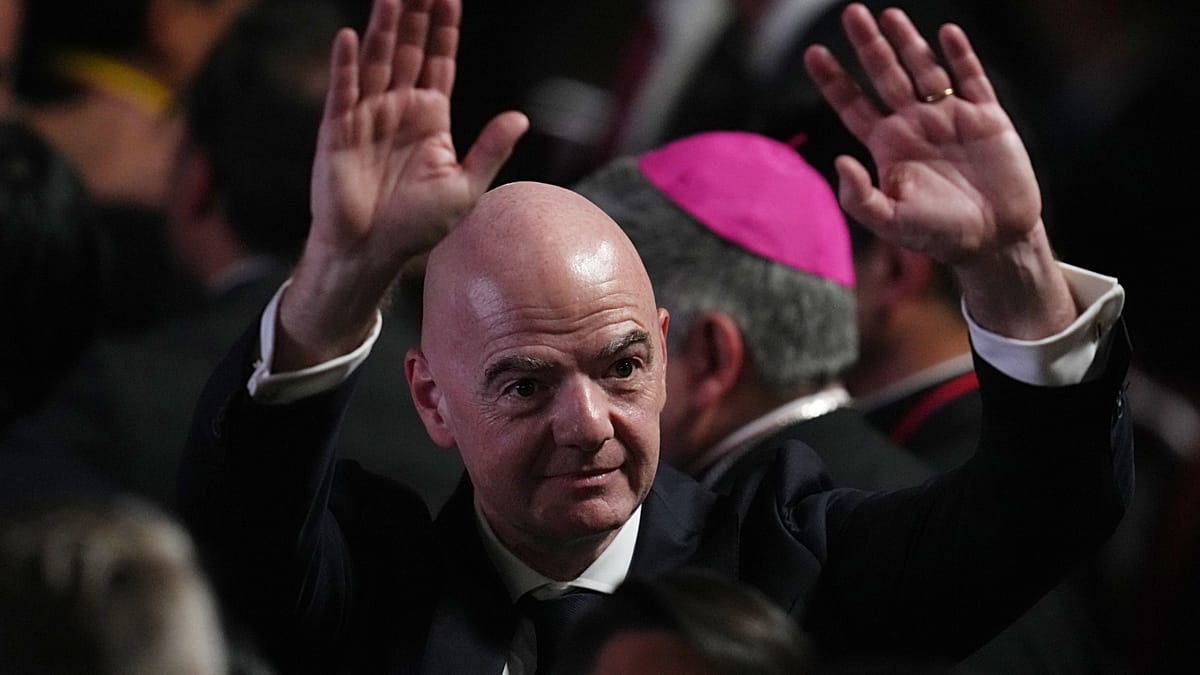
New Zealand Takes a Stand: Withdraws Support for FIFA President Infantino

New Zealand has officially withdrawn its support for FIFA President Gianni Infantino, marking a significant shift in the landscape of international f

New Zealand has officially withdrawn its support for FIFA President Gianni Infantino, marking a significant shift in the landscape of international football. After careful analysis, the New Zealand Football (NZF) organization expressed concerns that decisions and actions within FIFA have led to a breakdown in trust and heightened divisions in the football community. They emphasized the need for an independent review to restore confidence and trust in the organization.

This bold move puts New Zealand at odds with the Oceania Football Confederation, which recently released a statement voicing support for Infantino and welcoming plans to abandon the controversial FFE proposal. The rift in global football is widening, as various nations are now taking a stand on the issue. Notably, Wales, Finland, Serbia, and Sweden were among the first to declare that they would no longer support Infantino’s re-election. Following their lead, countries like England, Jordan, Albania, and the Republic of Ireland have also distanced themselves from the FIFA president, with Norway even demanding his resignation.

However, not everyone is turning their backs on Infantino. Support continues to flow from CONMEBOL and the Confederation of African Football (CAF), both of which have reaffirmed their backing for the president, who first took office in 2016. New Zealand’s decision adds to a growing list of nations voicing their concerns, but it also highlights the contrasting opinions within the global football community. Countries like Paraguay, World Cup runners-up Argentina, and co-hosts Mexico have publicly supported Infantino, along with Qatar, Egypt, Morocco, Mauritania, Lebanon, and Sudan, all expressing their “full support.”

The NZF’s statement reflects a deepening chasm within world football, calling for a thorough independent review into FIFA’s actions and decisions. The organization believes that this review is crucial for restoring trust and addressing the numerous challenges that have arisen. It seems clear that Infantino’s leadership is increasingly under scrutiny, and the environment is becoming more polarized.

As this situation unfolds, many are left wondering what the future holds for FIFA and its president. Will more nations rally against Infantino, or will the support from certain regions stabilize his position? The tension in the football world is palpable, and only time will tell how this saga will play out…

Kaynak: Orijinal Haber

UK Temporarily Bans Disposable BBQs Amid Wildfire Fears

The sale of disposable barbecues has been temporarily banned in the UK due to their significant role in sparking wildfires during the scorching summe

The sale of disposable barbecues has been temporarily banned in the UK due to their significant role in sparking wildfires during the scorching summer months. This decision comes amidst a backdrop of serious wildfires that have wreaked havoc across the country, with governmental advice labeling these single-use grills as unsafe under current conditions. The ban, enforced by the Department for Business, Innovation, Science and Trade (DBIST), covers England, Scotland, and Wales but notably excludes Northern Ireland.

Business Secretary Jonathan Reynolds underscored the seriousness of these measures, indicating that all retailers will receive guidance about the new restrictions, which will be continuously reviewed. Adding weight to the urgency of the situation, Burnham, while speaking to the BBC, disclosed that some of the ongoing wildfires were likely ignited by disposable barbecues. “These products cannot be considered safe during these extreme conditions,” he stated.

Prime Minister’s words echoed the sentiment as he warned about the potential dangers these grills pose not just to property but to lives. “If you’re using them at home, it risks other people’s lives. Please, don’t do it,” he urged. The evidence is clear: the risks associated with disposable barbecues have become impossible to ignore, and their ban is a necessary step that many hope will lead to a long-term solution.

As the country grapples with an unprecedented heatwave, residents have been fleeing their homes due to fires that spread rapidly through dry grass, causing substantial damage. The West Midlands Ambulance Service reported treating 54 casualties across eight different incidents, with nineteen individuals requiring hospitalization. Just last year, fire services in England and Wales recorded nearly 1,000 wildfire incidents, a stark reminder of the increasing threat posed by climate change.

This summer’s conditions reflect climate scientists’ dire warnings about human-driven climate change leading to more frequent and intense heatwaves and droughts. Amidst a devastating blaze in Stourbridge, Burnham emphasized the need for the UK to confront the changing climate and pivot towards cleaner energy, which he identified as the root cause of the climate emergency fueling this summer’s extreme weather events.

The conversation around disposable barbecues is not just a matter of convenience; it’s a public safety concern that has reached critical levels. The question now looms: will this temporary ban lead to a permanent solution or are we merely addressing a symptom of a much larger crisis?

Kaynak: Orijinal Haber