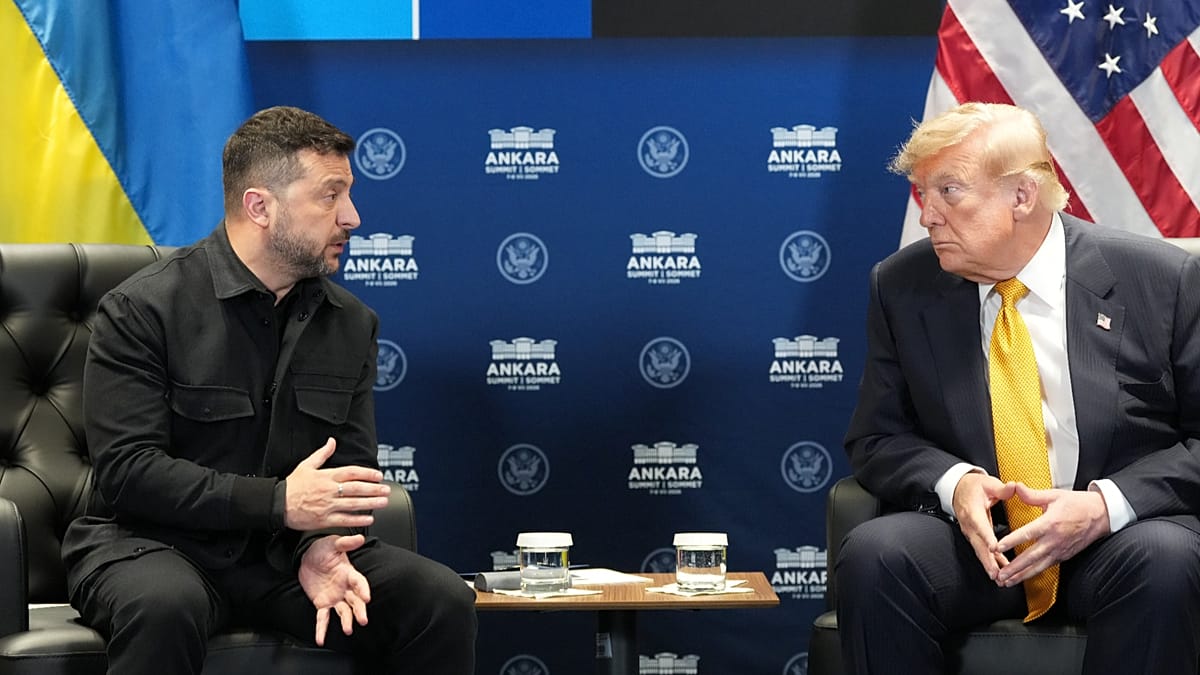
Oil prices have plummeted dramatically, and Asian stock markets have surged on the optimism surrounding a potential peace deal that could put an end
Oil prices have plummeted dramatically, and Asian stock markets have surged on the optimism surrounding a potential peace deal that could put an end to the ongoing US-Israel war with Iran. This past Saturday, President Donald Trump announced that an agreement with Tehran had been “largely negotiated,” and promised that details would be revealed soon. However, he also advised his negotiating team not to rush the agreement, which has left many on edge about the next steps.
As the sun rose on Monday morning in Asia, the global oil benchmark, Brent crude, took a nosedive of 5.5%, settling at $97.90 (£72.64), while US-traded crude dropped 5.8% to $90.99. This sharp decline comes amid news that the deal might involve the reopening of the strategically crucial Strait of Hormuz, the narrow waterway responsible for transporting about one-fifth of the world’s oil and liquefied natural gas (LNG). Since the conflict escalated on February 28, this vital route has been effectively closed.
In Japan, the Nikkei 225 stock index climbed above 65,000 for the first time, buoyed by a 2.9% gain, as traders celebrated the prospect of the strait reopening. It’s worth noting that Japan and nearby South Korea have felt the brunt of the conflict, relying heavily on energy supplies from the Gulf. Meanwhile, the energy and financial markets in both the UK and the US were closed on Monday for public holidays, adding to the intrigue surrounding these developments.
Trump took to social media on Saturday to share details of a “very good call” he had with leaders from Saudi Arabia, the UAE, Qatar, and others, discussing a “Memorandum of Understanding pertaining to PEACE.” He emphasized that the agreement is largely negotiated and awaits finalization among the United States, Iran, and several other nations. “Final aspects and details of the deal are currently being discussed, and will be announced shortly,” he added.
The president also mentioned a productive conversation with Israeli Prime Minister Benjamin Netanyahu, although he kept specifics under wraps. He maintained that any agreement would “absolutely” prevent Iran from acquiring nuclear weapons. Yet, on Sunday, he cautioned on Truth Social that both sides need to take their time to ensure everything is done right—no room for mistakes here!
On the Iranian side, foreign ministry spokesman Esmaeil Baqaei noted that US and Iranian positions have been converging recently, although he warned that this doesn’t guarantee agreements on critical issues, calling out the Americans for their “contradictory statements.” Since early March, global energy markets have experienced wild price fluctuations, especially after Iran threatened to retaliate against ships attempting to use the Strait of Hormuz in response to US and Israeli attacks.
Even with today’s sharp drop in crude oil prices, they still remain significantly higher than prior to the conflict, which saw Brent trading around $70 a barrel. Iran has also retaliated against Israel and US-allied Gulf states like Saudi Arabia, Bahrain, and the UAE. After a ceasefire was reached in early April, discussions have continued between Washington and Tehran regarding a long-term peace deal.
Saul Kavonic, head of energy research at MST Financial, mentioned that “there is now some light at the end of the tunnel, which will bring some near-term oil price relief.” However, he cautioned that even in the best-case scenario, oil markets will likely remain tight until 2027, as it takes time to normalize oil flows through the Strait, repair damaged facilities, and rebuild global oil stocks that have seen significant depletion since the war began.
The deal currently under negotiation might involve a 60-day extension of the ceasefire, during which the Strait of Hormuz would be reopened, according to reports from US media. As the situation evolves, the Moroccan government is looking to attract more Western holidaymakers to the territory it claims, while companies like Millers Oils, operating since 1877, continue to navigate the uncertain waters of the global oil landscape.
Bakalım bundan sonra ne olacak? Gelişmeleri takip ediyoruz…
Kaynak: Orijinal Haber