Spain’s Groundbreaking Hydrogen Engine Powers National Grid for the First Time!

A giant hydrogen-powered engine has successfully generated electricity for Spain’s national grid in what its manufacturer, Wärtsilä, claims is a

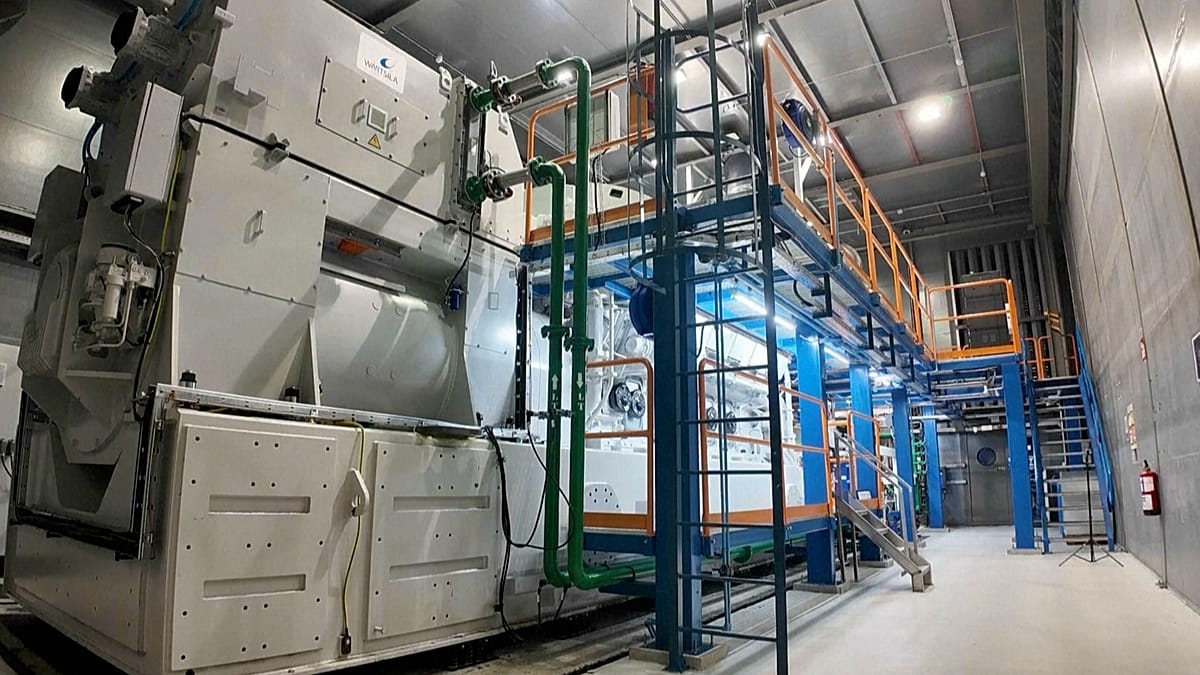
A giant hydrogen-powered engine has successfully generated electricity for Spain’s national grid in what its manufacturer, Wärtsilä, claims is a world first for large-scale power generation. This cutting-edge technology was developed by the Finnish energy company and put through its paces at their facility in northern Spain. The engine operates entirely on hydrogen, offering a promising solution to one of renewable energy’s biggest challenges: ensuring a steady electricity supply when wind and solar power fall short.

Wärtsilä officials are optimistic, stating that hydrogen-powered engines could play a crucial role in balancing future power grids without emitting carbon. Unlike the traditional hydrogen fuel cells, this system utilizes a large combustion engine specially adapted to run on pure hydrogen. The vision is to eventually combine multiple units into utility-scale power plants that could churn out hundreds of megawatts of electricity.

However, it’s not all smooth sailing. Experts warn that significant hurdles remain on the road to large-scale hydrogen adoption. To make this a reality, substantial investments in production, storage, and transport infrastructure are essential, not to mention the need for stronger policy support.

As Spain pushes ahead with its renewable energy strategy, wind and solar power are increasingly making up a larger slice of the country’s electricity generation pie. This groundbreaking test comes at a pivotal time—Spain is ramping up efforts to transition to cleaner energy sources, and hydrogen could very well be a key player in that future.

But hey, yahu, it’s still early days. The excitement around this hydrogen engine is palpable, but will it live up to the hype? And what about the infrastructure? Only time will tell if hydrogen will truly become a mainstay in our energy landscape. Bakın, gelişmeleri takip ediyoruz…

Kaynak: Orijinal Haber

Elon Musk: İlk Trilyoner Olurken Yükselişini İki Şirketle Sürdürüyor

Elon Musk, geçtiğimiz Cuma günü, SpaceX şirketinin rekor kıran borsa debutüyle birlikte dünyanın ilk trilyoneri oldu. Şu anki tahmini net d

Elon Musk, geçtiğimiz Cuma günü, SpaceX şirketinin rekor kıran borsa debutüyle birlikte dünyanın ilk trilyoneri oldu. Şu anki tahmini net değeri yaklaşık 1.11 trilyon dolar. Bloomberg verilerine göre, Musk zenginler listesinde Google kurucuları Larry Page ve Sergey Brin, Amazon’un kurucusu Jeff Bezos ve Fransız lüks mallar grubu LVMH’nin patronu Bernard Arnault’un çok üzerinde bir konumda. Yani, bu adam, gerçekten de iş dünyasında tam anlamıyla bir dev…

Ama bu yükseliş her zaman böyle olmadı. 2020’nin Ocak ayında, Musk sadece dünyanın en zenginleri listesinde 35. sıradaydı ve o dönemdeki serveti yaklaşık 28 milyar dolardı. İşin aslı, o yıl iki büyük şirketinin – elektrikli araba üreticisi Tesla ve uzay keşif ve yapay zeka firması SpaceX – değerinin hızla artmasıyla birlikte, Musk’ın serveti bir anda fırladı. Bu adam, her iki iş yerinde de büyük hisselere sahip.

Son altı yıl içinde Musk’ın servet yolculuğunu takip eden grafik, dalgalı bir dağ silsilesini andırıyor. Yani, inişler ve çıkışlar, Tesla’nın hisse senedi fiyatındaki dalgalanmalara, SpaceX’in artan değerine ve Trump yönetimindeki siyasi ve yatırımcı duyarlılığındaki değişimlere bağlı olarak gerçekleşti. 2021’in Ocak ayında, bu teknoloji mogülü, Jeff Bezos’u geçerek dünyanın en zengin insanı oldu. Ama 2022’de, ABD teknoloji hisselerindeki bir düşüş nedeniyle serveti azalmıştı. Yine de, her seferinde daha güçlü bir şekilde geri döndü. Şimdi, Musk, en yakın rakibi Larry Page’den neredeyse dört kat, Meta’nın CEO’su Mark Zuckerberg’den ise beş kat daha zengin.

Peki, bin milyar dolar (birin yanına 12 sıfır) neye benziyor? Aşağıdaki grafik, bu hayal edilemez rakamı nokta nokta parçalara ayırıyor ve Musk’ın toplam servetini diğer ünlü isimlerle, devlet harcama bütçeleriyle ve lüks varlıklarla karşılaştırıyor. Unutulmaması gereken bir nokta var; Musk’ın zenginliği esasen, yatırımcı duyarlılığına bağlı olarak artabilen veya düşebilen hisse senedi yatırımlarından oluşuyor. Gerçekten de, Şubat ayında, bu teknoloji mogülü, net değerinin “0.1%”‘den daha azının nakit olarak tutulduğunu söyledi. Şu anda, Musk, piyasa değeri yaklaşık 1.5 trilyon dolar olan Tesla’da %12, şu anda 2 trilyon dolardan fazla değere sahip olan SpaceX’te ise %42 hisseye sahip. Birçok hissesinin kişisel kredilere karşı teminat olarak verildiğini de unutmamak lazım.

Bu kağıt varlıklarına aşırı bağımlılık, dikkat çekici bir dengesizlik yaratıyor. Aşağıdaki grafik, Musk’ın zenginliğinin yatay bloğunun neredeyse tamamen iki dev şirketin hisse senetleriyle kaplandığını ve gerçek nakit için pek bir yer bırakmadığını gösteriyor. Tarihsel olarak, dünyanın en zengin bireyleri, finans ve üretim gibi sektörlerde servet kazanmışlardı. Ancak günümüz zenginler listesi, tamamen farklı bir hikaye anlatıyor. Aşağıdaki grafiğe bakın, genişleyen mavi bloklar son on yılda teknoloji devlerinin nasıl zirveye tırmandığını gösteriyor. 2015’te, dünyanın en zengin 10 kişisinden sadece ikisi teknoloji dünyasından geliyordu. Şimdi bu sayı yediye yükseldi ve en üst altı sırayı da kapsıyor.

SpaceX’in kurucusu Elon Musk, şirketin başlangıcında “başarılı olma ihtimalinin %10’dan az” olduğunu söylemişti. Ancak şimdi, “en büyük halka arzla” halka açılmaya hazırlanıyor. Kamu satışının da Musk’ı dünyanın ilk trilyoneri yapması bekleniyor. BBC’den Samira Hussain, SpaceX’in tarihi IPO’su hakkında bilmeniz gereken her şeyi açıklıyor. BBC’nin Michelle Fleury, 2002’de Elon Musk ile birlikte şirketin kurucularından biri olan Tom Mueller ile konuştu. SpaceX, şirketi, daha geniş pazarı ve Elon Musk’ın servetini dönüştürebilecek bir borsa debutü için hazırlık yapıyor.

Görünüşe göre bu hikaye burada bitmeyecek… Bakalım bundan sonra ne olacak?

Kaynak: Orijinal Haber

ChatGPT ile Alışveriş Dönemi Başlıyor: Visa Anlaşması!

ChatGPT, artık alışveriş yapma yeteneğine sahip. Evet, yanlış duymadınız! Yapay zeka asistanı, ödemeler devi Visa ile yaptığı yeni anla

ChatGPT, artık alışveriş yapma yeteneğine sahip. Evet, yanlış duymadınız! Yapay zeka asistanı, ödemeler devi Visa ile yaptığı yeni anlaşma sayesinde, kullanıcılar adına ürünleri satın alabilecek. Bu gelişme, özellikle online alışverişin hızla arttığı bir dönemde oldukça dikkat çekici. Peki ama bu nasıl olacak?

Öncelikle, Visa’nın sunduğu ödeme altyapısı ile ChatGPT, kullanıcıların ihtiyaç duyduğu ürünleri kolayca alabilecek. Yani, bir akıllı asistan olarak karşımıza çıkan ChatGPT, artık sadece bilgi sağlamakla kalmayacak, aynı zamanda alışverişte de yanımızda olacak. Kullanıcıların, “şu ürünleri al” demesi yeterli olacak. Özellikle yoğun tempolu yaşam sürenler için büyük bir kolaylık sunuyor.

Bu yeni özellik, kullanıcıların günlük yaşamlarını nasıl etkileyecek? Şimdi bir düşünün; her gün alışveriş yapmak için harcadığınız zamanı, ChatGPT ile azaltabilirsiniz. Yani, “Yahu bu hafta neler alacaktım?” dediğinizde, akıllı asistanınız hemen devreye girecek ve sizin için alışveriş listesi oluşturup istediğiniz ürünleri satın alacak. Artık markette geçirdiğiniz uzun saatlere veda edebilirsiniz.

Fakat, bu yeni sistemin güvenliği konusunda bazı endişeler de var. Kullanıcıların kredi kartı bilgileri gibi hassas verilerin korunması, bu tür bir uygulamanın en kritik noktası. Visa’nın, bu konuda nasıl bir önlem alacağı merak konusu. Kullanıcıların, bu yeni özelliği kullanmaya başlamadan önce, güvenlik protokollerine dikkat etmesi gerekecek.

Gelecekte, yapay zeka destekli alışverişin nasıl bir evrim geçireceğini düşünmek heyecan verici. Belki de birkaç yıl içinde, fiziksel mağazalara gitmek yerine sadece ChatGPT gibi bir asistan ile alışveriş yapacağız. Bakalım, bu teknoloji nasıl bir değişim yaratacak?

Gelişmeleri takip ediyoruz…

Kaynak: Orijinal Haber

Portugal Set to Test Self-Driving Cars on Public Roads Next July!

Vehicles equipped with self-driving systems will soon be allowed to be tested on public roads in Portugal. That’s right, folks! After a decree-law w

Vehicles equipped with self-driving systems will soon be allowed to be tested on public roads in Portugal. That’s right, folks! After a decree-law was approved by the Council of Ministers at the end of April, the green light has been given for these autonomous vehicles to hit the streets. This new legislation has officially made its way into the Official Gazette, and it will come into effect starting next July.

So, what does this mean? Well, the government is optimistic that autonomous driving will pave the way for innovation in transportation while ensuring safety on the roads. In practical terms, this decree establishes a legal framework that allows public roads to be utilized for testing autonomous driving tech, but there are strings attached. Testing organizations need to secure a license and comply with a set of technical, operational, and safety requirements—no cutting corners here!

The trials are set to be conducted by research laboratories, higher education institutions, and companies in the automotive, infrastructure, and transport sectors. One major requirement is that the insurance coverage for these vehicles must be four times the usual amount. That’s right, folks, a hefty minimum cover is in place to ensure compensation for any bodily injury or material damage that autonomous vehicles might cause to third parties.

And that’s not all! Organizations will also have to submit a risk mitigation plan, showing they’ve got cybersecurity measures in place to fend off any unauthorized access to vehicle systems. Can you believe it? The tests must be notified in advance, and when they’re over, a detailed report must be submitted. Talk about thorough! Additionally, both the driver and the operator responsible for these highly automated or fully automated systems must have held a driving license for at least six years and should have no road traffic offenses in the past five years. That’s a strict check on safety and responsibility!

During the tests, speed limits outlined in the Highway Code will be exceeded by 20 kilometers per hour. Yes, you heard that right! Blood alcohol limits will align with those for professional drivers. Moreover, neither the driver nor the operator can perform their duties for more than three consecutive hours without taking a break of at least one hour. Safety first, always!

Now, here’s where it gets interesting: during these autonomous driving trials, the vehicles will need to be equipped with systems that can record detailed information. This includes characteristics of the automated system, the identity of whoever is in control of the car, and indicators like speed, steering, braking performance, and a history of any interventions by the driver or operator. Pretty impressive, huh? These vehicles will also need to store information on remote commands and communications established with other vehicles, road infrastructure, and various digital connection points.

Oh, and here’s a little tidbit for those with foreign licenses: they’ll be valid in Portugal too! As long as an application for recognition is submitted to the chair of the board of the Institute for Mobility and Transport (IMT), you’re good to go.

So, as we gear up for this technological leap in transportation, what are your thoughts? Will these self-driving cars revolutionize the way we travel, or are we jumping the gun? Gelişmeleri takip ediyoruz…

Kaynak: Orijinal Haber

Is Anthropic’s Fable 5 Really Worth the Price Tag?

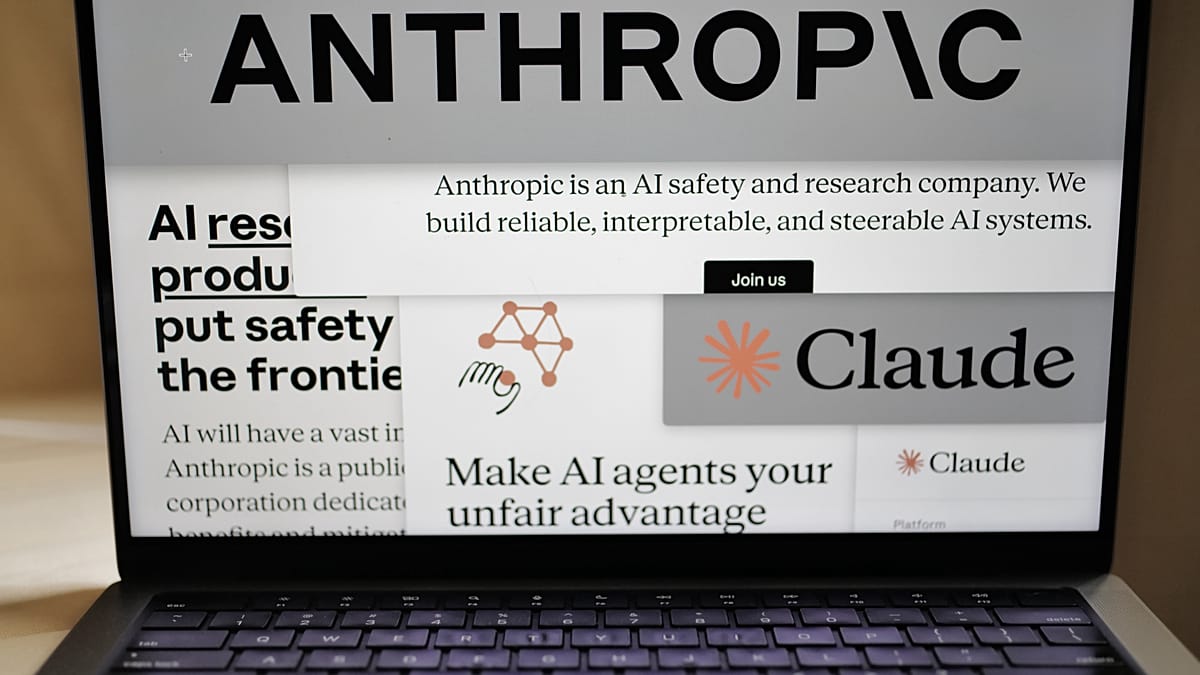
Anthropic has recently launched its Fable 5 AI model, stirring up a mix of excitement and skepticism in the tech community. Released on June 9, 2026,

Anthropic has recently launched its Fable 5 AI model, stirring up a mix of excitement and skepticism in the tech community. Released on June 9, 2026, this new model is being referred to as “Mythos Lite” and is initially available to users within the Claude subscription until June 22. After that, the full price kicks in, and many users are already expressing concerns about affordability. One Reddit user lamented, “A few tests just to get a feel for it consumed 5% of my monthly allowance… I have no reason to use this without a trust fund.”

Fable 5 is said to offer general users access to what Anthropic describes as “Mythos-level” capabilities. However, there’s a catch: it comes with a built-in safety trigger that reverts to the older Claude Opus 4.8 model when users inquire about high-risk subjects like cybersecurity, biology, chemistry, or distillation. In a previous announcement back in April, Anthropic stated that its Mythos model was deemed too powerful for public release due to its ability to identify severe vulnerabilities in major operating systems and web browsers.

Now, let’s talk numbers. The pricing for Fable 5 is set at $10 or about €9 per million input tokens and $50 per million output tokens. Just to put that into perspective, this is double the cost of the company’s previous flagship model, Claude Opus 4.8. Tokens are units of data that AI processes, and they can represent words, punctuation, and even blank spaces. On average, one token is about four characters, or roughly 75% of a word—meaning 1,000 tokens equate to around 750 words. Fable 5 requires more computational resources and tokens to handle its complex tasks, which Anthropic claims is one of its standout features. The model can run multiple AI agents and operate autonomously for extended periods.

According to Anthropic, Fable 5 has achieved the highest performance score of any model, showing significant improvements in document-based reasoning, interpreting charts and tables, and problem-solving. It can even pull exact figures from intricate scientific data and tackle complex vision-related tasks, like reconstructing a web app’s source code from screenshots. However, the debate about whether these capabilities justify the steep price tag is ongoing, especially as companies are becoming more cost-conscious about AI technologies.

Now, when we look at competitors, Fable 5 is pricier than OpenAI’s GPT-5.5 model, which sits at $5 per million input tokens and $30 for output tokens. Yet, it is still cheaper than OpenAI’s pro version of the same model. The competition in the AI landscape is heating up, and reports suggest that OpenAI is even considering slashing prices for access to its AI models, as revealed by the Wall Street Journal this past Wednesday. The race isn’t just about features and capabilities; it’s also about the companies’ valuations. OpenAI recently filed for an initial public offering with the U.S. Securities and Exchange Commission, just a week after Anthropic made a similar move.

So, what does all this mean for the everyday user or companies looking to adopt this technology? As the landscape shifts, will we see prices drop further, or will consumers have to brace for higher costs? The conversation is far from over, and we’ll be keeping an eye on how these developments unfold in the coming weeks.

Kaynak: Orijinal Haber

India’s Agave Boom: The Rise of ‘Blue Gold’ in the Beverage Industry

Masapalli Venkatesh’s life took a dramatic turn thanks to a desert plant. His 10-acre farm in Kandukur, located on the Deccan Plateau—a region that

Masapalli Venkatesh’s life took a dramatic turn thanks to a desert plant. His 10-acre farm in Kandukur, located on the Deccan Plateau—a region that spans a large part of southern and central India—has traditionally been a patch for growing tomatoes, peanuts, and corn. But in 2010, everything changed when traders came knocking, seeking a completely different crop: the agave americana cactus. Initially, Venkatesh and his fellow farmers dismissed agave as a “stubborn, valueless weed,” primarily used as fencing to keep wild animals at bay. However, this plant is a part of the agave family that fuels the staggering $15 billion global market for tequila and mezcal.

In Mexico, blue agave is cultivated in Jalisco to supply the tequila industry, but in India, commercial agave farming is still in its infancy. Instead of large plantations, farmers and entrepreneurs harvest wild agave, which is why for many, including Venkatesh, this once-ignored plant has become a “blue gold”—a lucrative source of extra income. Nowadays, Venkatesh travels across a 100 km (60 miles) area, coordinating efforts with local villagers and farmers. “By combining the yields from multiple farms, I can ensure a steady, high-volume supply that distilleries are eager to pay a premium for,” he explains.

Harvesting agave is no walk in the park. The heart of the plant, known as the piña, resembles a giant pineapple and is the most crucial part for alcohol production. Skilled laborers must carefully chop off the spiky leaves to reveal the piña, but timing is everything. Once the agave decides to bloom, it directs all its sugar reserves upwards into the stalk within a matter of days. If the flower blooms, the sugar content is depleted, rendering the piña useless for making spirits. “Harvesters must pinpoint the exact pre-blooming window to pick the plant at its peak sugar level, which makes timing incredibly critical,” says Rakshay Dhariwal, founder of the distillery Maya Pistola Agavepura.

Once picked, the piñas are on a tight clock; they must reach a pressure cooker within 24 hours for sugar extraction. Any delay can ruin the batch. “If it takes longer than 24 hours, the sugars start to rot and ferment unpredictably, ruining the delicate flavor needed for premium spirits,” warns Dhariwal. Complicating matters, agave suppliers are spread across vast distances in states like Karnataka, Maharashtra, Rajasthan, and Andhra Pradesh. “We can’t just place orders from a centralized farming cooperative. We depend on local networks to scout, negotiate, and harvest patches of semi-wild agave from marginal lands or rural property lines,” he adds.

The thirst for agave spirits is on the rise in India. According to Dhariwal, the market is expanding at a rate of 31%. “It’s only been a few years since India caught the tequila bug,” says Vikram Achanta, co-founder of 30 Best Bars India. “Producers are now experimenting seriously, and there’s a consumer base more open to exploring new spirits than ever,” he notes. While agave drinks may not dethrone whisky as India’s favorite spirit, they’re carving out a niche. “New brands are fascinating early experiments, especially in how they’re utilizing wild agave from the Deccan Plateau to shape what an Indian agave identity could look like,” he adds.

Pioneering the Indian agave spirit industry is Desmond Nazareth, whose company, Agave India, introduced the nation’s first homegrown agave spirit in 2011. “What began as kitchen experiments eventually evolved into India’s first craft agave distillery after nearly 12 years of research and trial and error,” he recalls. Now, he’s taking a scientific approach to industry development. “We’ve analyzed satellite images of areas where agave thrives and matched those environmental patterns with other regions to identify more suitable land. This is crucial because agave takes 9 to 13 years to mature. Planting in the wrong spot could cost a decade,” he explains.

But will India’s wild agave supplies run out as demand grows? Agricultural expert Miguel Braganza reassures that it won’t happen for at least five years, likely longer. He points out that India’s domestic agave industry remains tiny, with only one processing plant, owned by Nazareth’s Agave India. Moreover, wild agave is quite adept at self-propagating. “A wild agave isn’t just a single plant. The mother agave sends out long root runners underground throughout her 10 to 20-year life,” says Braganza, adding that each few feet, a mini-clone emerges, leading to the formation of large agave colonies without human intervention.

However, India’s wild supply isn’t perfect. Entrepreneur Sree Harsha Vadlamudi expresses concerns about the genetic inconsistency of wild agave plants. “That means sugar yields vary… and that makes it tough to standardize production,” he notes. Vadlamudi co-founded the tequila brand Loca Loka, which sources blue agave from Jalisco’s tequila heartland. “We aimed to capitalize on the iron-rich red soil from ancient volcanic eruptions in Jalisco. This unique terroir creates a flavor profile that Indian-grown seeds can’t replicate,” he explains.

In stark contrast to India’s informal system, Mexico boasts large, organized agave farms that utilize high-tech agricultural techniques. Some employ drones and AI to monitor their crops effectively. “Drones can scan thousands of hectares to count individual plants, assess health, and detect diseases early, ensuring optimal harvest timing,” Vadlamudi explains. Such investments are still a distant dream for Indian producers.

Nazareth acknowledges that building a robust agave spirit industry will take time, but he remains hopeful. “India could absolutely become a major agave economy. The Deccan Plateau alone has millions of acres ready for cultivation. With long-term vision and patience, we could rival Mexico,” he predicts. As the industry grows, one can’t help but wonder what the future holds for India’s agave spirits. Will they reshape the landscape of the beverage industry in the coming years?

Kaynak: Orijinal Haber

Naples Ring Road: Italy’s First Smart Road Set to Transform Mobility

Naples is stepping into the future with its newly inaugurated smart ring road, marking a pivotal moment for Italy’s transportation landscape. This i

Naples is stepping into the future with its newly inaugurated smart ring road, marking a pivotal moment for Italy’s transportation landscape. This innovative roadway aims to enhance mobility, improve traffic flow, and significantly reduce emissions. The project, which has been in the works for some time, finally came to fruition, turning heads and raising hopes for a more efficient urban transit system.

This cutting-edge ring road is not just a simple upgrade; it’s a comprehensive approach to rethinking how we move in our cities. Equipped with advanced technologies, the Naples ring road employs real-time traffic management systems and integrated sensors that monitor vehicle movement, providing instant data to drivers and city planners alike. This allows for seamless navigation and fewer traffic jams, a dream for many commuters who have faced the daily grind of congested roads. Imagine zipping through the city without the usual stops and starts… Sounds great, right?

One of the standout features of this smart road is its commitment to sustainability. With an eye on reducing carbon footprints, the project incorporates eco-friendly materials and designs. The use of solar panels along the roadway to power street lights and information displays is a clear indicator of Naples’ commitment to green technology. It’s like the city is saying, “Hey, we care about the planet too!”

Residents are already buzzing with excitement over the potential improvements. “This could really change our lives,” says a local taxi driver, who often battles traffic during peak hours. “If the road works as promised, it’ll save us so much time.” And let’s be honest, who wouldn’t want to spend less time stuck in traffic? The anticipation is palpable, and many are looking forward to seeing these changes in action.

But not everything is smooth sailing. While the technology sounds promising, the real test will come when the road opens to the public. Will it deliver on those high expectations? Will the promised traffic relief materialize, or will it become just another road? As the opening date approaches, these questions linger in the air, leaving many to wonder about the future of urban mobility in Naples.

As we wait to see the impacts of this ambitious project, one thing is for sure: Naples is gearing up for a transformation that could set a precedent for cities across Italy and beyond. The future of mobility is here, and it’s smart! Let’s keep an eye on how this unfolds…

Kaynak: Orijinal Haber

Social Media on Trial: Four Key Cases That Could Change Everything

Social media platforms are facing a tidal wave of legal challenges as the companies behind them—like Meta, Google, and TikTok—find themselves in

Social media platforms are facing a tidal wave of legal challenges as the companies behind them—like Meta, Google, and TikTok—find themselves in courtrooms across the United States. What started as a revolutionary way to connect people and share information has turned into a battleground over user safety, particularly for children. From allegations of addiction to claims of misleading advertising, these lawsuits could reshape the future of social media. Legal experts, including Eric Talley from Columbia Law School, emphasize that the unfolding trials are not just a matter of legal scrutiny; they’re also shifting public perception in a way that could influence political landscapes for years to come.

In California, where most of these tech giants are headquartered, a significant multidistrict litigation (MDL) has emerged, involving over 1,000 school districts. The schools accuse platforms like Instagram, YouTube, Snapchat, and TikTok of being purposely designed to be addictive, leading to mental and emotional harm among children. As the trial for certain claims is set to kick off in February, the implications are vast. If the courts find in favor of the schools, it could redefine how social media engages with its young users.

Remember that case from earlier this year? Meta and YouTube were ordered to pay $6 million in damages after a young woman testified about her childhood addiction to social media and its toll on her mental health. Both companies are appealing the verdict, but this is just the tip of the iceberg. A bigger case from New Mexico has also put Meta in hot water, with accusations of misleading the public regarding the safety of its platforms for kids. If these verdicts keep going against them, we might see a complete overhaul in user engagement strategies.

Meanwhile, a lawsuit led by a group of 29 states against Meta and Instagram is gearing up for trial in August. This lawsuit focuses on violations of the Children’s Online Privacy Protection Act, aimed at protecting kids under 13 from online exploitation. If successful, the states are pushing for stricter controls to prevent underage users from accessing these platforms, which could significantly alter how Meta operates its advertising and data collection practices.

Now, let’s not forget the chilling case involving Roblox and Discord. A 13-year-old boy claims he was groomed by a sexual predator through these platforms, which he argues were poorly designed and inadequately marketed for safety. The case is currently on hold while the companies appeal a decision to take it to court, but it could lead to crucial changes in how these platforms handle interactions between young users and strangers online.

And it’s not all about protecting kids. Dr. Andrew Forrest, an Australian billionaire, has taken Meta to court for allegedly failing to combat scam advertisements that use his name to trick people into fake investments. His case could potentially challenge the longstanding protections granted to tech companies under Section 230 of the Communications Decency Act, which has shielded them from liability for user-generated content. If the court sides with Forrest, we could be looking at a major shift in how online platforms are held accountable for what happens on their sites.

So, the question remains—how will these trials unfold, and what kind of impact will they have on social media in the years to come? As the legal battles heat up, we’re all left wondering what the future holds for these platforms that have become such a big part of our everyday lives.

Kaynak: Orijinal Haber

Anthropic’s Claude Fable 5: A Powerful AI Tool Now Released to the Public!

A version of an artificial intelligence (AI) tool, previously deemed too powerful for public release, has hit the market. Anthropic’s Claude Fable 5,

A version of an artificial intelligence (AI) tool, previously deemed too powerful for public release, has hit the market. Anthropic’s Claude Fable 5, an upgrade of the Claude Mythos program, sparked serious alarm among leaders in tech, finance, and government when it was initially rolled out privately back in April for testing. The chatter around this tool has been intense, with some experts expressing concerns that its capabilities could jeopardize financial security. Others, however, are questioning if the buzz is merely a marketing narrative.

On Tuesday, Anthropic announced that Fable will come equipped with safeguards and user restrictions, but they acknowledged, “releasing a model this capable comes with risks.” They emphasized that “Fable’s capabilities exceed those of any model we’ve ever made generally available.” When Mythos was first unveiled to a select group of organizations, Anthropic cited the tool’s intelligence as a potential threat due to its ability to exploit or hack into computer systems.

Canadian Finance Minister François-Philippe Champagne weighed in back in April, stating that the scrutiny surrounding Mythos was justified, partly because it represents “the unknown, unknown.” Meanwhile, despite Anthropic’s ongoing legal battles with the US Department of Defense over the military’s use of its AI tools, it seems that various US government agencies have also been testing Mythos.

Anthropic is on the verge of becoming a publicly traded company, with its private valuation soaring close to $1 trillion (£747 billion). Its consistent demonstration of superior and expansive AI capabilities underscores its allure to investors. The company also revealed that around 150 groups that previously previewed Mythos will now gain access to Claude Mythos 5, which lacks restrictions on cybersecurity or biology, depending on the specific applications of an organization.

So far, organizations and companies using Mythos have reported over 10,000 critical security vulnerabilities in their systems to Anthropic. The firm indicated that this updated access is currently limited to a “small group of cyberdefenders and infrastructure providers,” but anticipates expanding access shortly. “We intend to broaden access to Mythos 5 through a more extensive trusted access program,” the company stated.

Both Fable and Mythos are fundamentally the same model, albeit with different safeguards and access levels. They can operate “unattended” on human commands for longer durations than any prior Claude models, according to Anthropic. Co-founder Jack Clark mentioned last week on BBC Newsnight that the rapid expansion of AI capabilities raises concerns about the pace of technological advancement. “You want the option to be able to take your foot off the gas and put your foot on the brake,” he explained. “Right now, it’s like the AI industry has a gas pedal, but it doesn’t have a brake pedal.”

Kaynak: Orijinal Haber

How AI and Satellites are Creating a Virtual Ocean to Save Our Seas!

The European Digital Twin Ocean project is shaking things up by combining artificial intelligence and satellite technology to craft a virtual version

The European Digital Twin Ocean project is shaking things up by combining artificial intelligence and satellite technology to craft a virtual version of our vast oceans. This initiative aims to provide scientists and policymakers with a cutting-edge tool to monitor and protect marine environments. So, how does this whole thing work, you ask? Let’s dive in!

Picture this: a digital twin of the ocean, mirroring its every wave, current, and creature. This isn’t your typical ocean representation; it’s a sophisticated model that reflects real-time changes and conditions. Imagine scientists being able to track pollution, monitor fish populations, and even predict the impacts of climate change – all from a virtual ocean. Sounds like something out of a sci-fi movie, right? But it’s happening now!

Using satellites, data is collected from various points across the ocean. This data feeds into AI algorithms that process and analyze information at lightning speed. The result? An interactive ocean model that not only visualizes the current state of the seas but also simulates future scenarios. You can think of it as a crystal ball for our oceans – helping decision-makers see what might happen if we continue on our current paths.

Now, why is this so crucial? Well, our oceans are in trouble. Overfishing, plastic pollution, and climate change are wreaking havoc on marine ecosystems. By having a virtual replica, experts can devise better strategies to combat these issues. The project aims to enhance collaboration among nations and organizations, making ocean management more effective and streamlined.

But wait, there’s more! The European Digital Twin Ocean is also paving the way for educational initiatives. Imagine students learning about marine biology and environmental science through interactive simulations. They could explore the effects of overfishing or climate change on virtual marine life, fostering a deeper understanding and appreciation for our planet’s oceans.

So, what does the future hold for this initiative? It’s clear that technology is becoming an indispensable ally in the fight to protect our oceans. As this project progresses, we can expect more innovative solutions and collaborations to emerge. One can only hope that with such tools, we’ll finally start turning the tide for our beleaguered seas.

Kaynak: Orijinal Haber