Trump Announces Signed Deal to End Iran War, Details Coming Soon!

US President Donald Trump has just dropped a bombshell, folks! He announced that a preliminary deal to end the ongoing war with Iran is already sign

US President Donald Trump has just dropped a bombshell, folks! He announced that a preliminary deal to end the ongoing war with Iran is already signed and sealed. This revelation came during his discussions with French President Emmanuel Macron at the G7 summit on a bustling Monday. “I am very happy to say it’s signed, the deal is all signed,” Trump stated, and you can almost feel the weight of that statement. It’s a big deal! Senior officials from the US started revealing bits and pieces about this agreement, hinting that the crucial Strait of Hormuz will re-open this Friday. Yep, you heard that right – the same day the deal will officially be inked in Geneva.

Now, let’s dig into the nitty-gritty. Technical talks surrounding Iran’s nuclear program are expected to kick off this week. But hold on, any relief from sanctions or release of frozen assets will hinge on Iran sticking to its commitments under this deal. Vice-President JD Vance, while chatting with CNN’s Jake Tapper, mentioned that the memorandum of understanding (MOU) with Iran is “about a page and a half” long, and kind of general. He elaborated that many details will be hammered out during future negotiations. “On a number of issues, we are going to have to figure this stuff out during the technical negotiation phase,” he added.

So what’s in the first paragraph of this MOU? Well, it highlights that Iran will vow to uphold “regional peace and stability.” This means they are expected to stop funding terrorist organizations. And let’s not forget the most crucial part – they’ll have to commit to not developing nuclear weapons. Vance articulated that clearly, stating that this is a verified commitment.

Trump, Vance, and Iranian Parliament Speaker Mohammad Bagher Ghalibaf have all electronically signed the agreement. More juicy details are expected to drop by Wednesday, but Trump teased that the full text would be available “pretty soon” after Friday’s signing ceremony. “It’s a very powerful document, and I want it to be released. So probably pretty soon,” he said, leaving everyone on the edge of their seats.

Now, about that ceasefire – it’s set to last another 60 days, giving both sides time to negotiate the final agreement. Pakistan’s Prime Minister Shehbaz Sharif, who played the role of mediator, announced that this deal includes an “immediate and permanent termination of military operations on all fronts, including in Lebanon.” However, US officials clarified that while Lebanon is part of the ceasefire framework, Israel’s withdrawal from Lebanese territory isn’t a deal condition. They emphasized that Israel retains its right to self-defense.

And speaking of Israel, Prime Minister Benjamin Netanyahu made a statement on Monday evening, asserting that Israeli forces will remain in security zones in Lebanon, Syria, and Gaza “as long as necessary.” He maintained that Iran will not be permitted to develop nuclear weapons, deal or no deal. Meanwhile, Lebanese media reported a deadly Israeli strike on a vehicle in the south, marking the first such incident since the peace deal was announced. In retaliation, Hezbollah fired missiles and drones at Israeli forces.

Trump also said he’s given the go-ahead to lift a US naval blockade of Iranian ports. He tweeted on Monday that “ships are starting to move, many loaded up with Oil, out of the Strait of Hormuz.” Iran’s deputy foreign minister Kazem Gharibabadi confirmed the end of military operations during a phone call on Iranian state TV, framing the framework deal as a major win for Iran. He disclosed that Qatari mediators engaged in lengthy discussions, nearly 14 to 15 hours, to achieve this initial agreement.

The Iranian military command declared victory, suggesting they have shown the US and Israel that they have no choice but to accept defeat. However, Iran’s foreign ministry expressed ongoing “deep mistrust” of the US, viewing the agreement as merely a step towards reducing tensions. Lebanese President Joseph Aoun welcomed the announcement, expressing hope for practical steps to definitively end the cycle of violence.

Key points of contention in the past have revolved around Iran’s nuclear enrichment and the insistence from Western nations that Iran should not possess nuclear weapons. Iran, on the other hand, has been pushing for comprehensive sanctions relief and access to the billions of dollars in frozen oil revenues. Leaders from the UK, France, Germany, and Italy released a joint statement, reiterating that Iran “must never acquire a nuclear weapon” and that they are “prepared to lift relevant sanctions in response to clear, verifiable steps by Iran on its nuclear program.” UK Prime Minister Sir Keir Starmer called this announcement “a hugely important step forward in ending the war, ensuring regional stability and re-opening the Strait of Hormuz.”

But what does this mean for the future of the region? The aftermath of this war is still fresh, with thousands of lives lost. Experts are warning that the consequences will echo through the global economy for months to come. So, will this deal bring lasting peace, or are we just seeing the calm before another storm? Only time will tell…

Kaynak: Orijinal Haber

Thames Water: Nationalisation Looms as Government Rejects Rescue Deal

The government has thrown a spanner in the works for Thames Water, the UK’s largest water company, by objecting to a proposed rescue deal that could

The government has thrown a spanner in the works for Thames Water, the UK’s largest water company, by objecting to a proposed rescue deal that could push the firm closer to nationalisation. Environment Secretary Emma Reynolds stepped up to the plate on Monday, voicing serious concerns about a hefty £10 billion package put forward by the company’s lenders. This isn’t just a minor hiccup; fears about the company’s potential collapse have been brewing for three years, and the government has been standing by, ready to take control if things go south.

You see, Thames Water serves around 16 million customers, primarily in London and parts of southern England, but it’s been in hot water over its performance. The company has faced heavy backlash for issues like sewage discharges and pipe leaks. Just last May, it got slapped with a staggering £122.7 million fine—the largest ever handed down by the water industry regulator—thanks to its breaches on sewage spills and shareholder payouts. So, the stakes are high.

Now, a group of its existing lenders has come forward, offering to wipe off £9.4 billion of the company’s near £20 billion debt and inject billions more. But, there’s a catch—they want some leniency on future pollution fines in exchange. London & Valley Water, a consortium of big financial players, is promising a cash injection of around £3.35 billion along with a new £6.55 billion debt facility. This package is envisioned as part of a £10 billion business plan that stretches all the way to 2030. The lenders claim this deal would fund significant improvements for customers, clean up local rivers, and get the company in full compliance as swiftly as possible.

Ofwat, the body that regulates water companies in the UK, is currently mulling over the proposal, with a decision expected this summer. If no rescue deal is reached, Thames Water could find itself running dry financially within mere months, leading to its potential collapse. The Times, which broke the news, pointed out that the government’s intervention stems from worries that the deal would put an “undue burden” on customers. Reynolds is set to address Parliament on Tuesday, so eyes will surely be on her for updates.

Now, Thames Water and Ofwat have been reached out to for comments on these latest developments. The government has made it clear that it would prefer a “market-based solution” but isn’t afraid to step in if push comes to shove. What’s on the table is a form of temporary nationalisation called a special administration regime (SAR). This would allow the government to keep vital services running through managers it appoints. If the worst were to happen and the company does go belly-up, households would still be provided with essential drinking water and sewerage services.

But, here’s the kicker: a spokesperson for Thames Water has previously stated that a SAR would create more problems than it solves. “SAR would delay urgently needed improvements, increase costs, transfer risk, and potentially create operational disruption,” they said. Yikes! Meanwhile, the lenders at London & Valley Water have warned that “nationalisation is not the right answer.” They argue it would merely restart the lengthy process of fixing Thames Water, require billions in government support, and lead to uncertainty for employees, putting pensions at risk. All this could destabilise the supply chain and hinder efforts to deliver the improvements that customers so desperately need.

Earlier this year, CKI Holdings, a company interested in buying Thames Water, suggested that customers would actually be better off if the utility were allowed to collapse. This way, they and other bidders could jump in to revive the debt-ridden company. CKI’s co-managing director, Andy Hunter, emphasized that the next owner of Thames Water should be an experienced, credible operator with the right expertise and resources to fix the mess. “But we seem to be sleepwalking into a conclusion that will result in the next owner of Thames Water – having, doubtless, many attributes – having none of these attributes,” he lamented.

Last July, Thames Water’s CEO, Chris Weston, did not mince words, declaring that the company was “extremely stressed” and that turning things around would take “at least a decade.” So here we are, folks, at a crossroads for Thames Water. Will the government step in, or will a market-based solution emerge? The future is murky, and the pressure is mounting.

Kaynak: Orijinal Haber

Helium-3: The Lunar Gold Rush for Clean Energy

Helium-3, a rare isotope of helium, could hold the key to a clean energy future, and it might just be hiding on the moon. Scientists and entrepreneur

Helium-3, a rare isotope of helium, could hold the key to a clean energy future, and it might just be hiding on the moon. Scientists and entrepreneurs are buzzing with excitement over the potential of extracting helium-3 from lunar regolith, the powdery surface material that covers the moon. But what exactly is this helium-3, and how are we planning to get it from our celestial neighbor?

First off, let’s break down what helium-3 is. Unlike its more common sibling, helium-4, which you might find filling party balloons, helium-3 is a hot commodity. Currently, a single liter of this gas can set you back around $2,000, and that price is variable. This high cost is largely due to its limited supply, which mainly comes from the decay of tritium in nuclear weapons—a rather controlled and not-so-sustainable source. With the demand for helium-3 expected to skyrocket, it’s clear that new sources are necessary.

Now, here’s where the moon comes into play. Samples of moon dust collected during the Apollo missions suggest that helium-3 could be present in higher concentrations than what we typically find on Earth. This has sparked a new interest in lunar exploration, with companies like Interlune aiming to tap into this extraterrestrial resource. Rob Meyerson, the co-founder and CEO of Interlune, shares that their team has been hard at work for the past four years developing technologies to extract helium-3. They’re gearing up to launch their equipment on a lunar lander by as early as autumn 2027.

But hold on a second—it’s not all smooth sailing. The reality is that no one really knows how much helium-3 is on the moon. Paul Burke from Johns Hopkins Applied Physics Laboratory warns that the Apollo samples might have lost some helium-3 during their journey back to Earth, which makes estimating its availability quite tricky. Moreover, there could be fewer helium-3 hotspots than anticipated, or they might be buried too deep to access easily. To put it bluntly, extracting helium-3 could mean excavating hundreds of thousands of tons of regolith just to get a single kilogram of the stuff. That’s a monumental task and raises questions about the project’s economic viability.

On the flip side, there are other companies eyeing the lunar helium-3 market. Astrotech Corporation is also planning a trip to the moon via a SpaceX Starship rocket, aiming to extract helium-3 by heating the regolith. Tom Pickens, their CEO, acknowledges the challenges but remains optimistic about their prototype for lunar extraction.

Interestingly enough, some scientists are also exploring helium-3 extraction from Earth itself. Pulsar Helium is investigating a site in Minnesota where helium-3 concentrations are around 12 parts per billion. Peter Barry, a geochemist involved with the project, points out that getting helium-3 from Minnesota is a lot easier than traveling to the moon.

So what does all this mean for the future? It’s clear that the race for helium-3 is heating up, and interest is growing. Quantum computers, which may one day require vast amounts of helium-3, are already driving investments. In fact, a Helsinki-based quantum computing company has struck a $300 million deal with Interlune for an annual supply of helium-3 starting in 2028.

But hey, let’s not forget—there are alternatives. Some scientists are working on cooling methods that don’t rely heavily on helium-3, so it’ll be interesting to see how this all plays out. With the Artemis missions aiming for lunar landings in the coming years, we might just find out if the moon truly is the next frontier for this precious isotope. Will the lunar gold rush become a reality? Only time will tell…

Kaynak: Orijinal Haber

Crystal Palace Appoints Pierre Sage as New Head Coach for Three Years!

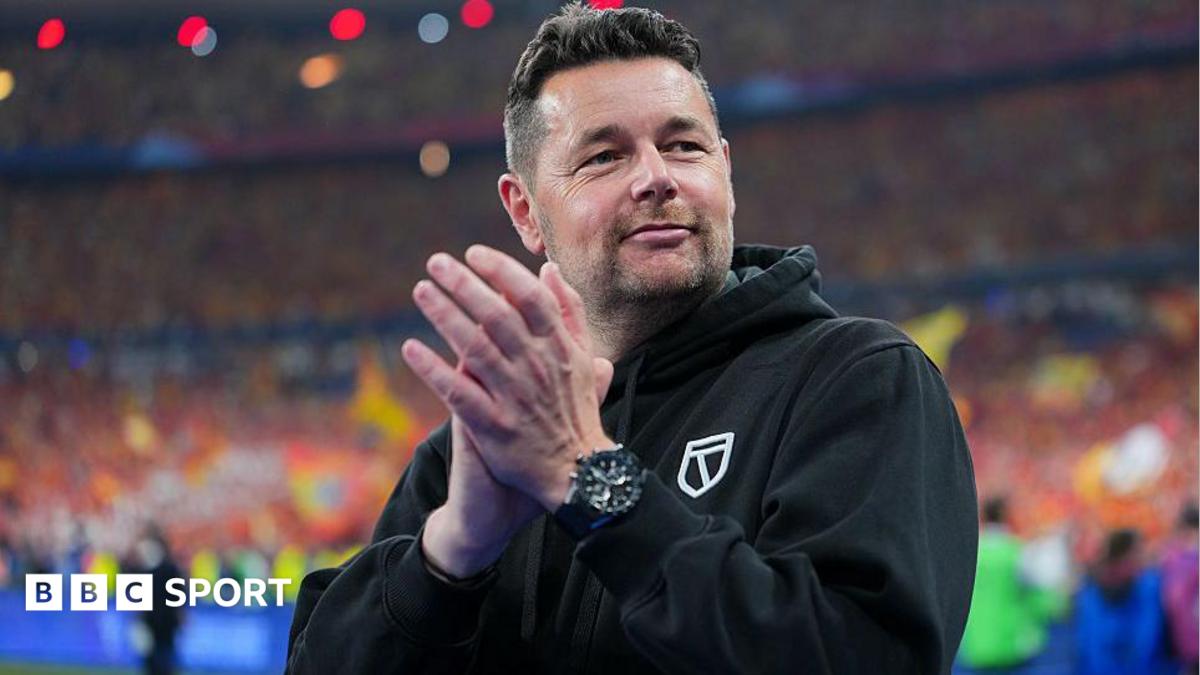
Crystal Palace has just made a significant move by appointing Pierre Sage, the former manager of Lens, as their new head coach on a three-year deal.

Crystal Palace has just made a significant move by appointing Pierre Sage, the former manager of Lens, as their new head coach on a three-year deal. This change comes in the wake of Oliver Glasner’s departure from the club. Fans have been buzzing with excitement and questions about what this means for the future of the team. Sage, known for his tactical nous and ability to develop young talent, is expected to bring a fresh perspective to the squad. The announcement has already sparked discussions among supporters, with many eager to see how he will implement his philosophy on the pitch.

Sage’s appointment signals a new direction for Crystal Palace as they aim to improve their standings in the league. It’s been a rollercoaster for the club, and fans are hopeful that Sage’s experience in French football will translate well to the Premier League. The club is looking to build a solid foundation, and they believe Sage is the right man for the job. His prior success with Lens, where he demonstrated an eye for talent and a knack for strategic play, has many believing that he can replicate that success at Selhurst Park.

The decision to hire Sage was not taken lightly. Crystal Palace’s management has been evaluating various candidates, weighing their experience and ability to connect with the players and the club’s ethos. Sage’s three-year contract shows commitment from both sides, indicating that the club is ready for a long-term vision rather than quick fixes. Fans are excited but also anxious – will Sage bring the change they desperately need? Only time will tell…

As excitement builds, the club prepares for the new season with Sage at the helm. Supporters are keen to see how his strategies will unfold and what kind of game style he will implement. With the transfer window approaching, fans are also wondering if Sage will make any significant signings to bolster the team. It’s a thrilling time for Crystal Palace, and all eyes will be on Sage as he embarks on this new journey.

Kaynak: Orijinal Haber

US-Iran Deal: What’s Next for Oil Prices and Food Costs?

More than three months after the US and Israel first began their war with Iran, the White House and the Iranian regime have agreed on a framework dea

More than three months after the US and Israel first began their war with Iran, the White House and the Iranian regime have agreed on a framework deal aimed at establishing a longer-term resolution to the conflict. This Middle East crisis has sent global oil prices skyrocketing, effectively closing one of the world’s crucial water transport routes for oil, liquefied natural gas, and other essential commodities, which in turn has curtailed global supplies. But hold on a second—experts are warning that it might take some time before shipping through the Strait of Hormuz returns to normal, and the fallout from the war is expected to impact the global economy for potentially months to come.

“Let the oil flow!” exclaims US President Donald Trump in a social media post celebrating the agreement, which he claims will include reopening the strait for commercial shipping. “Ships are starting to move,” Trump declared later on Monday, “loaded up with oil, out of the Strait of Hormuz,” which he described as “totally safe, secure, and pristine.” However, BBC Verify has been checking ship-tracking data, and it appears that traffic levels remain low in the Strait of Hormuz, despite the announcement. In fact, according to the ship tracking website MarineTraffic, only two vessels with active location trackers have exited the waterway since Sunday—a bulk carrier and a tanker.

Now, the Strait has been practically shut off to most shipping traffic since February 28, with only a handful of vessels friendly to Iran able to pass through. Hundreds of ships have been stranded in the Gulf, facing risks like sea mines or drone strikes, which have raised the stakes for crews and made safe passage a challenge. Neil Shearing, group chief economist for Capital Economics, said it remains to be seen whether this latest deal represents a fragile truce or a more durable settlement. He added that it would likely take some time for oil flows through the Strait to return to pre-war levels.

Even if ships now have safe passage, tankers are in the wrong place, oil production and refining facilities need to ramp up to full capacity, and there are still concerns about the cost and availability of insurance for ships traversing the Strait. Before the agreement was even reached, during the ongoing ceasefire, shipping companies were generally hesitant to move their vessels out of the strait. Getting those ships out will be their first priority. Take Denmark’s Maersk, the world’s second-largest shipping line, for instance—it has five ships stuck in the Gulf due to the conflict. They mentioned it’s too early to assess how the agreement will impact logistics, and for now, there’s nothing changing in their operations in the region.

On the other side of the aisle, German shipping giant Hapag-Lloyd has four ships trapped in the strait and is hoping to get them out over the weekend once the deal is signed and any remaining mines are cleared. Normally, about a fifth of the world’s oil and LNG supplies flow through the strait, and the effective standstill in traffic has pushed oil prices higher. This has had a cascading effect on petrol, diesel, and jet fuel costs. During the conflict, the price of Brent crude, the global oil benchmark, shot up to around $120 a barrel, while before the hostilities erupted, it hovered just below $70. After the news of the framework deal broke, Brent dropped to $83.55 a barrel.

Now, President Trump stated that the Strait of Hormuz would reopen once the “deal” is signed on Friday. Senior energy strategist at Rabobank, Florence Schmit, noted that there’s a “strong possibility that we’ll see a lot of volatility” leading up to the deal’s signing. “Some things are not confirmed on both sides—important things: we don’t know if the deal will be signed,” she told the BBC, adding, “What we’ve seen so far is a deal for 60 days for the opening of the Strait—but what happens after that? What if the Iranians want to re-insert a toll system?” A full-scale peace agreement could still be a long way off.

Despite this uncertainty, Schmit mentioned that normalcy in the system, including prices, “could return by the end of the year” if a full ceasefire is agreed upon. Normalcy would mean the return of pre-war levels of 26 daily crude oil tankers going through the strait. Given the current positive media headlines and what she described as a “sentiment-driven” sell-off, there’s a chance prices might dip below $80 a barrel, but they could average in the mid-$80s by year-end once “the geopolitics is stripped out” and the market assesses the reality of the situation.

As for global food prices, there could also be relief if fertilizer supplies get closer to normal levels again. Fertilizer—a by-product of oil—has skyrocketed in price, putting immense pressure on farmers. Yara, one of the world’s largest fertilizer and crop firms, said the situation remains uncertain, and farmers may “require targeted support to manage ongoing volatility” in the short term. Maurizio Carulli, a global energy analyst at Quilter Cheviot, suggested that the ceasefire “should help ease the immediate pressure on fertilizer markets,” but warned it won’t be instantaneous.

He pointed out that roughly one-third of traded fertilizer and significant volumes of natural gas used for nitrogen-based fertilizers flow through the Strait of Hormuz, and “lingering damage to energy infrastructure” will take time to mend. Plus, the crop season has already begun in several regions worldwide, so the resumption of nitrogen and phosphate fertilizer deliveries may come too late for agricultural crops, negatively impacting global produce.

Meanwhile, jet fuel—another oil by-product—traded in Northwest Europe (NWE) has already seen a slight decline in price. NWE jet fuel is now down to $1,033 per tonne, compared to $831 per tonne before the conflict and around $1,840 at its peak. The Iran war has affected economies worldwide, as the spike in energy costs has driven fuel prices up, leading to increased inflation. This has pressured central banks to raise interest rates to keep inflation in check.

In the UK, prior to the war’s onset, the Bank of England was widely expected to cut interest rates this year. But those predictions quickly shifted as energy costs surged, with the bank now anticipated to hold rates steady, if not increase them later in the year. Russ Mould, investment director at AJ Bell, mentioned that just last week, markets were pricing in two rate hikes by early 2027. The probabilities have since shifted to a single rate hike by December and potentially no changes for at least the first half of 2027. This could mean companies will have greater confidence to hire more people, consumers might be more inclined to spend, and the property market could start to warm up after going cold for sellers in recent months.

So, what’s the bottom line here? President Trump says the US and Iran have struck a deal to end the war, but it remains unclear what’s been decided regarding Iran’s nuclear program. When the conflict kicked off on February 28, fuel costs surged as the war disrupted energy production and transportation across the Middle East. As we keep our eyes on the developments, let’s see what unfolds next…

Kaynak: Orijinal Haber

Latest news bulletin | June 15th, 2026 – Evening

# Product Promotion: Window Screens in IstanbulWhen it comes to enhancing the comfort and functionality of your living space, window screens are an in

# Product Promotion: Window Screens in Istanbul

When it comes to enhancing the comfort and functionality of your living space, window screens are an invaluable addition. In Istanbul, window screens not only provide an effective solution for insect protection but also enhance ventilation and maintain the aesthetic appeal of your home. Let’s explore the benefits, features, and applications of window screens in this vibrant city.

The Benefits of Window Screens

Window screens offer numerous benefits that make them a must-have in Istanbul homes. First and foremost, they provide a barrier against insects, allowing you to enjoy fresh air without the nuisance of bugs. Additionally, window screens help to filter out dust and debris, contributing to a cleaner indoor environment. They also provide an extra layer of safety for families with children and pets, ensuring they stay safe while enjoying the view. With the climate in Istanbul, having window screens means you can keep your windows open longer, promoting natural ventilation and reducing the reliance on air conditioning.

Features of Window Screens

Window screens come with a variety of features that cater to different needs and preferences. They are typically made from durable materials, designed to withstand the elements while maintaining their functionality over time. Many modern window screens feature a mesh texture that is not only effective at keeping insects out but also allows for ample airflow. Furthermore, they can be customized to fit various window sizes and styles, ensuring a perfect fit for any home. The installation process is straightforward, making them accessible for anyone looking to improve their living spaces in Istanbul.

Applications of Window Screens

The applications of window screens extend far beyond mere insect protection. In Istanbul, these screens can be installed in residential homes, offices, and even cafes, providing versatility in their usage. Whether you’re looking to enhance your living room, bedroom, or even a balcony space, window screens can seamlessly integrate into your design. They are particularly popular in areas where fresh air is a priority, allowing you to enjoy the beautiful Istanbul breeze without compromising on comfort or safety.

In conclusion, window screens are essential for anyone looking to improve their living environment in Istanbul. With their numerous benefits, practical features, and versatile applications, they are an investment worth considering.

GÖRSEL_PROMPT: Professional photograph of modern window screens installed on a large window in a contemporary minimalist apartment, wide angle view showcasing the natural sunlight streaming through, soft shadows on walls, blurred modern furniture in the background, 8k resolution architectural photography, bright and airy atmosphere, clean composition.

Kaynak: Orijinal Haber

Russia’s Covert Campaign: Arson Attacks on UK Prime Minister Exposed!

Roman Lavrynovych, a 22-year-old Ukrainian builder, was found guilty on Monday of conspiring to commit arson after he set fire to the home of UK Pri

Roman Lavrynovych, a 22-year-old Ukrainian builder, was found guilty on Monday of conspiring to commit arson after he set fire to the home of UK Prime Minister Sir Keir Starmer. This dramatic incident, which raised serious questions about domestic security, was part of a larger, calculated campaign of sabotage orchestrated by Russian operatives. Lavrynovych’s handler, identified only by the initials EL, hinted at a sinister motive in a message stating, “Look, you attacked the home of a very high-ranking person in Britain. I’ll send you money, you need to leave the city.” But it was too late; Lavrynovych was apprehended just hours later.

Through an in-depth investigation, the BBC has uncovered that this arson was not an isolated act but rather a segment of a broader strategy of provocation and misinformation linked directly to the Russian state. Evidence suggests that EL is actually Evgeny Lyukshin, a 23-year-old Russian diplomat who has been trained in information warfare. He is reportedly close to the upper echelons of power in Moscow. It’s alarming to think that the very machinery of a state could be behind such a brazen attack on a foreign leader.

The arson is suspected to be part of a remote operation where Russian operatives utilized social media and the messaging app Telegram to create fake far-right and Muslim groups. These groups were instrumental in organizing acts of vandalism across the UK, aimed at inciting division and fear among the populace. Interestingly, accounts operating out of Russia propagated false narratives regarding the motives behind the attacks, further complicating the already murky waters of misinformation. Prominent figures in the far-right movement, like Tommy Robinson, then spread these lies, amplifying the chaos. The Russian embassy has denied any involvement, claiming, “We reject any attempt to associate Russia or its foreign ministry with unlawful activities.” They maintain that Russia poses no threat to the UK or its people.

During the trial, Lavrynovych and another accomplice, Stanislav Carpiuc, 27, were found guilty of conspiring to target property linked to Starmer. A third man, Petro Pochynok, 35, was acquitted. The first fire ignited last year when a Toyota, once owned by the Prime Minister, was torched in north London. Following that, two additional arson attacks were carried out: one at the entrance of a block of flats where Starmer once resided and another at his current residence. The odd part of the trial was the absence of any focus on the true mastermind behind the operation. The identity and intentions of EL, who had offered Lavrynovych financial incentives for the attacks, were purposely shrouded in secrecy.

In the courtroom, EL was cryptically referred to as “EL Money,” a name saved in Lavrynovych’s phone. Yet, on Telegram, he merely used the initials “EL.” This was the platform where he recruited Lavrynovych, initially connecting through a group aimed at helping Ukrainians find work in London. From this seemingly innocent connection, Lavrynovych was pulled into a world of escalating criminality, tasked with graffiti and arson, though he knew he was crossing a line.

Messages from EL revealed his glorification of Putin and Russia while disparaging the Ukrainian people. For example, he boldly claimed, “It is obvious that Putin is the leader of the white race.” He also sought “painters to do graffiti” in London, but in other chats, he employed deeply offensive language towards Ukrainians. His messages incited violence, calling for attacks on conscription centers in Ukraine and urging those supportive of the “white Slavic race” to embrace the idea of a “real Third Rome.”

Moreover, the trial neglected to mention what Lavrynovych’s posters, which he put up on EL’s orders, were actually advertising—a far-right group named Direct Action UK. This group was deceptively designed to appear as an organic British entity but was found to be an online creation by Russian operatives, aiming to create discord among ordinary citizens in the UK. Interestingly, the timestamps on group messages pointed back to Moscow, with a peculiar use of Cyrillic letters.

Direct Action exploited real-life events, such as the Southport murders, to spread its propaganda. Videos circulated branding Sir Keir Starmer a traitor, inciting hatred against Muslims and offering monetary rewards for violence and arson. The consequences were dire, with several mosques and an Islamic school vandalized in London after the group offered compensation for Islamophobic graffiti.

This situation has drawn attention from anti-racist organizations like Hope Not Hate, which flagged the group to counter-terror police back in February, warning that Russians might be grooming UK residents for potential terror attacks. Yet, their concerns went largely unacknowledged.

It’s important to note that before EL took the reins of fake far-right groups, he was also involved in setting up a fraudulent Islamic organization called the Takbir Foundation, which aimed to provoke far-right sentiments through vandalism. This organization sought to recruit Muslims for tasks that were far from innocent, blurring the lines between community and division.

With the recent arson attack on the Prime Minister’s property now serving as a propaganda tool online, misinformation has spread like wildfire, with false claims circulating that the suspects were involved in a scandal. This narrative was propelled by Robinson, who alleged that Starmer had inappropriate connections with Ukrainian male sex workers, a rumor that gained traction due to its sensational nature.

This incident is just one of many in a broader pattern of Russian-backed sabotage aimed at destabilizing Europe and its allies. The reliance on proxies for carrying out these acts of violence and espionage raises the stakes, complicating the accountability and denial of state involvement. In Ukraine, there are reports that a third of individuals involved in Russian sabotage networks across Europe are Ukrainian nationals.

What’s next in this troubling saga? The connections between misinformation, state-sponsored sabotage, and domestic security continue to unravel, leaving many questions in their wake.

Kaynak: Orijinal Haber

US-Iran Deal: What It Means for Oil Prices and Food Costs!

More than three months after the US and Israel kicked off their military engagement with Iran, a tentative framework deal has emerged from the White

More than three months after the US and Israel kicked off their military engagement with Iran, a tentative framework deal has emerged from the White House and Tehran. This agreement aims to pave the way for a more sustainable cessation of hostilities in the Middle East, a region that has seen global oil prices spiral upwards as conflict effectively choked one of the world’s most crucial maritime routes for oil and gas. The Strait of Hormuz, a key artery for global energy, has faced significant disruptions, and experts are warning that it will take time for shipping to return to normal. The repercussions of this war will likely linger on the global economy for months to come.

“Let the oil flow!” That’s the rallying cry from US President Donald Trump, who celebrated the agreement on social media. He boasted that commercial shipping in the strait would soon resume. “Ships are starting to move,” he declared, confidently asserting that vessels laden with oil were now navigating the Strait of Hormuz, which he assured was “totally safe, secure, and pristine.” However, ship-tracking data from BBC Verify suggests that despite these optimistic statements, traffic in the Strait of Hormuz remains alarmingly low. Only two vessels, a bulk carrier and a tanker, have left the waterway since the announcement, highlighting the ongoing risks in the region. The strait has faced a near-complete shutdown for shipping since February 28, allowing only a handful of vessels friendly to Iran to pass through.

With hundreds of ships stuck in the Gulf, the danger from sea mines and potential drone strikes has heightened the peril for crews, complicating any efforts to resume normal operations. Neil Shearing, the chief economist at Capital Economics, emphasized that it remains unclear whether this latest deal signifies a temporary ceasefire or a more permanent resolution. He noted that it might take considerable time for oil shipments through the Strait of Hormuz to bounce back to pre-war levels. Even if ships are granted safe passage, logistical challenges abound: tankers are out of position, oil production and refining facilities need to ramp up, and questions regarding insurance costs for traversing the strait will continue to loom large.

Even before this agreement, shipping companies were hesitant to push their vessels out of the strait during the ceasefire. Denmark’s Maersk, the world’s second-largest shipping line, has five ships stuck in the Gulf due to the ongoing conflict. The company stated that it’s premature to gauge how this agreement will impact logistics, and for now, operations in the region remain unchanged. Meanwhile, German shipping giant Hapag-Lloyd is hoping to get its four stuck vessels out over the weekend, contingent on the deal being signed and any remaining mines being cleared.

Normally, about a fifth of the world’s oil and LNG supplies flow through the Strait of Hormuz, and the effective shutdown of this route has driven oil prices up. This increase has had a cascading effect, pushing petrol, diesel, and jet fuel costs higher. At the height of the conflict, Brent crude, the global oil benchmark, surged to around $120 a barrel, compared to just below $70 before fighting broke out. Following news of the framework deal, Brent prices dipped to $83.55 a barrel. Trump assured that the Strait of Hormuz would be reopened once the deal is finalized on Friday.

Florence Schmit, a senior energy strategist at Rabobank, warned of potential volatility leading up to the signing of the deal. She expressed uncertainty about whether the agreement would be confirmed, pointing out that it’s only a 60-day deal for opening the Strait. “What happens after that? Will Iran want to impose tolls again?” she questioned. Despite this, Schmit noted that if a full ceasefire is achieved, normalcy—including pre-war levels of 26 daily crude oil tankers passing through the strait—could return by the end of the year.

If supplies of fertilizer return to normal levels, global food prices might also stabilize. Fertilizer, a derivative of oil, has seen prices skyrocket, exerting pressure on farmers. Maurizio Carulli, a global energy analyst at Quilter Cheviot, indicated that the ceasefire “should help ease immediate pressure on fertilizer markets” but warned that it won’t be instantaneous. Approximately a third of traded fertilizer and significant volumes of natural gas, essential for nitrogen-based fertilizers, move through the Strait of Hormuz, and the lingering damage to energy infrastructure will take time to repair.

What’s more, the agricultural cycle has already begun in various regions worldwide, meaning that the resumption of nitrogen and phosphate fertilizer deliveries will likely come too late for some crops, negatively impacting global produce. Jet fuel prices in Northwest Europe have already seen a slight decline, with NWE jet fuel dropping to $1,033 per tonne, down from $1,840 at its peak, but still higher than the $831 per tonne prior to the conflict.

The Iran war has reverberated through economies globally, with soaring energy costs leading to increased fuel prices and rising inflation. This inflation has pressured central banks, including the Bank of England, which had initially been expected to cut interest rates this year but has now shifted its stance in light of rising energy costs. Russ Mould, the investment director at AJ Bell, noted that just last week, markets anticipated two rate hikes by early 2027, but those probabilities have now shifted to just one rate hike by December, with potentially no further changes in the first half of 2027. This could instill greater confidence in companies to hire and encourage consumer spending, possibly reviving a property market that has cooled for sellers in recent months.

As the conflict began on February 28, fuel costs surged as the war disrupted energy production and transportation throughout the Middle East. With reports emerging that the deal includes Lebanon, there are concerns about ceasefires in that region holding firm. Israel has reportedly targeted Hezbollah, an Iran-backed group, with Iran warning that such actions could derail the US-Iran deal aimed at ending the fighting.

Kaynak: Orijinal Haber

UK’s Social Media Ban for Under-16s: A Bold Move with Uncertain Outcomes

When I arrived at 10 Downing Street this morning to hear Prime Minister Sir Keir Starmer announce the UK’s social media ban for under-16s, I had to h

When I arrived at 10 Downing Street this morning to hear Prime Minister Sir Keir Starmer announce the UK’s social media ban for under-16s, I had to hand in my phone for security reasons. The temporary anxiety it gave me was perhaps a small insight into how many of the nation’s 13 to 15-year-olds were feeling, as they too waited to hear the outcome of months of discussions and speculation about their online lives. Sir Keir Starmer’s news was bold and blunt: yes, there will be a ban, yes, it will follow Australia’s model, and yes, there will be additional curbs that will impact older children aged 16 and 17 as well. A night-time curfew is expected to be part of this.

The UK’s plan had been dubbed “Australia Plus,” and now we know why. But here’s the kicker: Australia’s ban has faced well-documented problems. Yani, çoğu çocuk, Aralık ayında yasak uygulanmadan önce sosyal medya hesaplarına sahipti ve hala o hesapları kullanıyor. The response from the UK government is the same answer I hear every time there’s an online safety intervention. There is talk that the ban will not be a “silver bullet” but will still make some difference. Sir Keir made several comparisons to laws about drinking alcohol: we know some teens under the age of 18 still drink, but we also know there are plenty of times when the law prevents it.

Ama işin aslı, 16 yaşındaki gençler yasal olarak evlenebiliyor, cinsel ilişkiye girebiliyor, silahlı kuvvetlere katılabiliyor ve bazı yerlerde oy kullanabiliyorlar. Peki, Instagram’da gece vakti takılmaları da bu kadar zor mu? Given how many horror stories I have heard during my career about children coming to harm on gaming platforms and forums, it was surprising to learn that they will be exempt. Ancak, canlı yayın yapma özelliğini devre dışı bırakmaları gerekecek, çünkü bu da yasak kapsamına alınıyor.

Bakalım bu iş nasıl çalışacak? I did ask the PM, but he didn’t directly tell me. Australia’s failing is believed to be in weak age verification methods adopted by the tech companies. I’ve heard from several fuming industry contacts today that they were under the impression that it would be up to Apple and Google to gatekeep devices, since most people own either an Apple or Android phone. This would mean when anyone under 16 sets up a device, they can’t download banned apps from the app stores. However, those I spoke to are blindsided that this no longer appears to be the case, and it will be down to individual platforms.

Ve bu platformların daha iyi bir alternatif bulması için süre oldukça kısa: gelecek baharda uygulanması planlanan yasak için bir yıl bile yok. Other experts argue that toxic online behavior is a societal rather than a technology problem, and blocking the tech altogether isn’t a solution. “Right diagnosis, wrong cure,” was the headline of one email that popped up in my inbox earlier today.

Facebook UK’de 21 yıl önce başladı ve diğer sosyal medya ağları da onu takip etti. Bu, gençlerin büyüdüğü bir dünya – her türlü zorluklarla birlikte. Bir gazeteci, okulda YouTube’un kendileri için vazgeçilmez bir kaynak olduğunu itiraf edince kendimi bir anda çok yaşlı hissettim. Bir süre önce genç birinden aldığım bir mesaj hâlâ aklımda: sosyal medya olmasa, hayatlarının bir anlamı kalmayacağını ve online topluluğun onlara yaşama sebebi verdiğini söylediler. Ancak, bu durumun tam tersine birçok trajik örnekte var.

Kampanyacılar ve hükümet yetkilileri, teknoloji şirketlerinin çocukları korumak için yıllardır daha fazlasını yapma fırsatının olduğunu, fakat bunları yapmadıklarını söylüyor. Şirketler, pek çok ebeveyn kontrolü getirdiklerini ve zararlı olduğunu bildikleri özelliklere erişimi engellediklerini savunuyor. Ama Sir Nick Clegg, eski Meta yöneticisi, o kadar çok ebeveyn kontrolü olduğunu söyledi ki, ebeveynler bunları kullanmaktan bunalmış durumda. Yani, pek çok ebeveyn bununla ne kadar ilgili olduğunu biliyor.

Kaynaklarım, teknoloji şirketlerinin yasakla savaşmayacaklarını, yeterince adil olduklarını düşündükleri sürece söylüyor, ama ben bunun her birinin bugün böyle hissettiğinden pek emin değilim. Ayrıca, büyük ana akım uygulamaların yasaklanmasının çocukları daha karanlık, daha az düzenlenmiş internet köşelerine iteceği ve burada koruma olmadan kalacakları endişesi de var. Tüm bu durumun, hızla uygulamaya konulduğu için yargı incelemesine takılma ihtimali de var; bu da muhtemelen geciktirecek.

İşin siyasi boyutuna geldiğimizde, bu yasağın “başbakanın mirası” havası taşıdığı kesin. Bir de Donald Trump meselesi var; Sir Keir, bu konuda henüz onunla konuşmadı ama bugün G7 zirvesinde onu görecek. Trump, ABD merkezli teknoloji şirketlerini korumaya çalışıyor ve daha önce diğer ülkelerin bunları düzenleme girişimlerine karşı çıktı. ABD hükümeti de kamu danışmanlığına yanıt olarak, yasaklamanın çözüm olmadığını savundu.

Buna ek olarak, Starmer’ın kontrol altına almak istediği bu ABD şirketleri, aynı zamanda İngiltere’deki operasyonlarına ve altyapısına milyonlarca dolar yatırım yapıyor. Teknoloji ve yapay zeka, hükümetin ekonomik büyüme planlarının kilit öncelikleri arasında. Bir eski hükümet danışmanının da dediği gibi, “B planı yok.” Başbakan, onları sıkı bir şekilde kontrol etmek ve İngiltere’yi iyi bir yer olarak satmak arasında çok ince bir ipte yürümek zorunda. Bakalım, önümüzdeki aylarda bu şirketlerden herhangi biri, burada kalmak istemeyecek mi?

Kaynak: Orijinal Haber

Real Madrid Strikes Big: £51.8m Deal for Chelsea’s Cucurella!

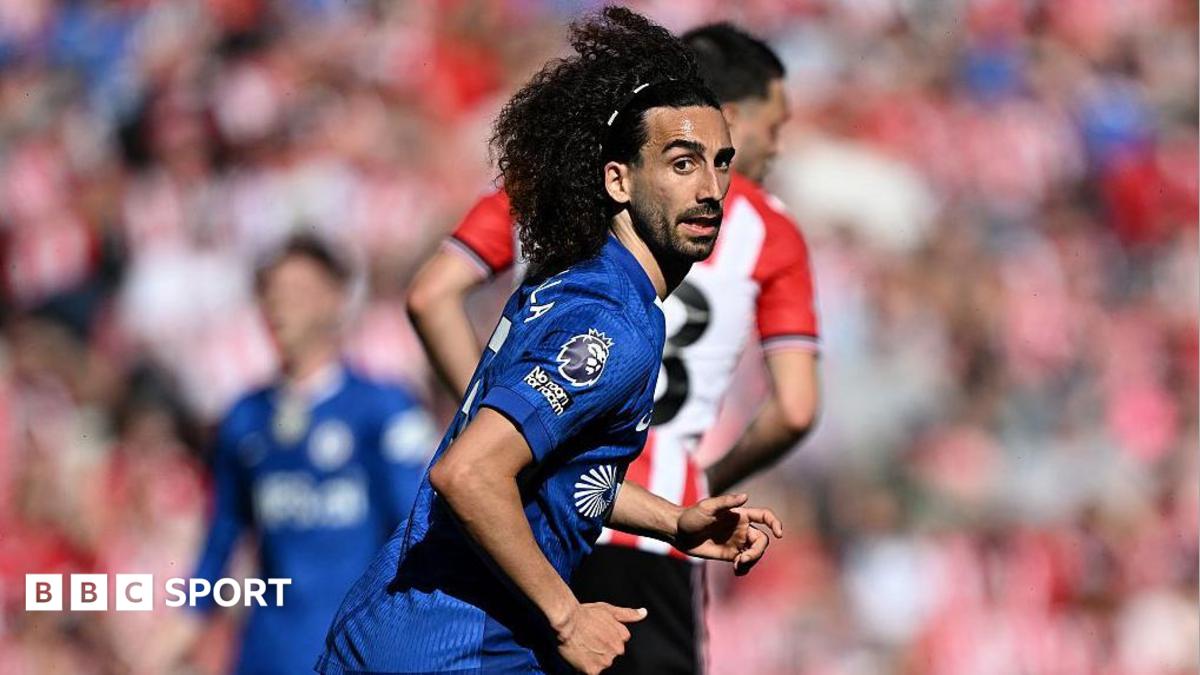
Real Madrid has officially announced the signing of Chelsea defender Marc Cucurella for a staggering £51.8 million, and the deal spans six years. T

Real Madrid has officially announced the signing of Chelsea defender Marc Cucurella for a staggering £51.8 million, and the deal spans six years. That’s right, folks! The Spanish giants are making waves in the transfer market with this blockbuster move.

Cucurella, known for his tenacity and skill on the pitch, is set to bring a fresh dynamic to Madrid’s defense. The 25-year-old has been a standout performer for Chelsea, showcasing his abilities in the Premier League and contributing significantly to the team’s efforts. It’s no wonder Real Madrid has decided to invest such a hefty sum on him.

Imagine this: a defender who can not only hold down the fort at the back but also push forward and aid in attacks. That’s what Cucurella brings to the table. And with this deal, he’s now part of a club that has a rich history and a fan base that expects nothing less than excellence.

This transfer is part of Real Madrid’s broader strategy to bolster their squad ahead of the new season. The club has been keen on strengthening its defensive line, and Cucurella seems like a perfect fit. The buzz around the Santiago Bernabéu is palpable as fans eagerly await the new season and what this signing could mean for their team’s chances.

But hold on, there’s more! The move comes as Chelsea continues to reshape its squad, and Cucurella’s departure leaves a gap that will need filling. Will the Blues find a suitable replacement? It’s a question on many lips in the football community right now.

In conclusion, this signing marks a significant moment for both clubs. Real Madrid is looking to reclaim its dominance, while Chelsea navigates the choppy waters of the transfer market. What does the future hold for both teams? We’ll have to wait and see, but one thing’s for sure: the excitement is just beginning!

Kaynak: Orijinal Haber